
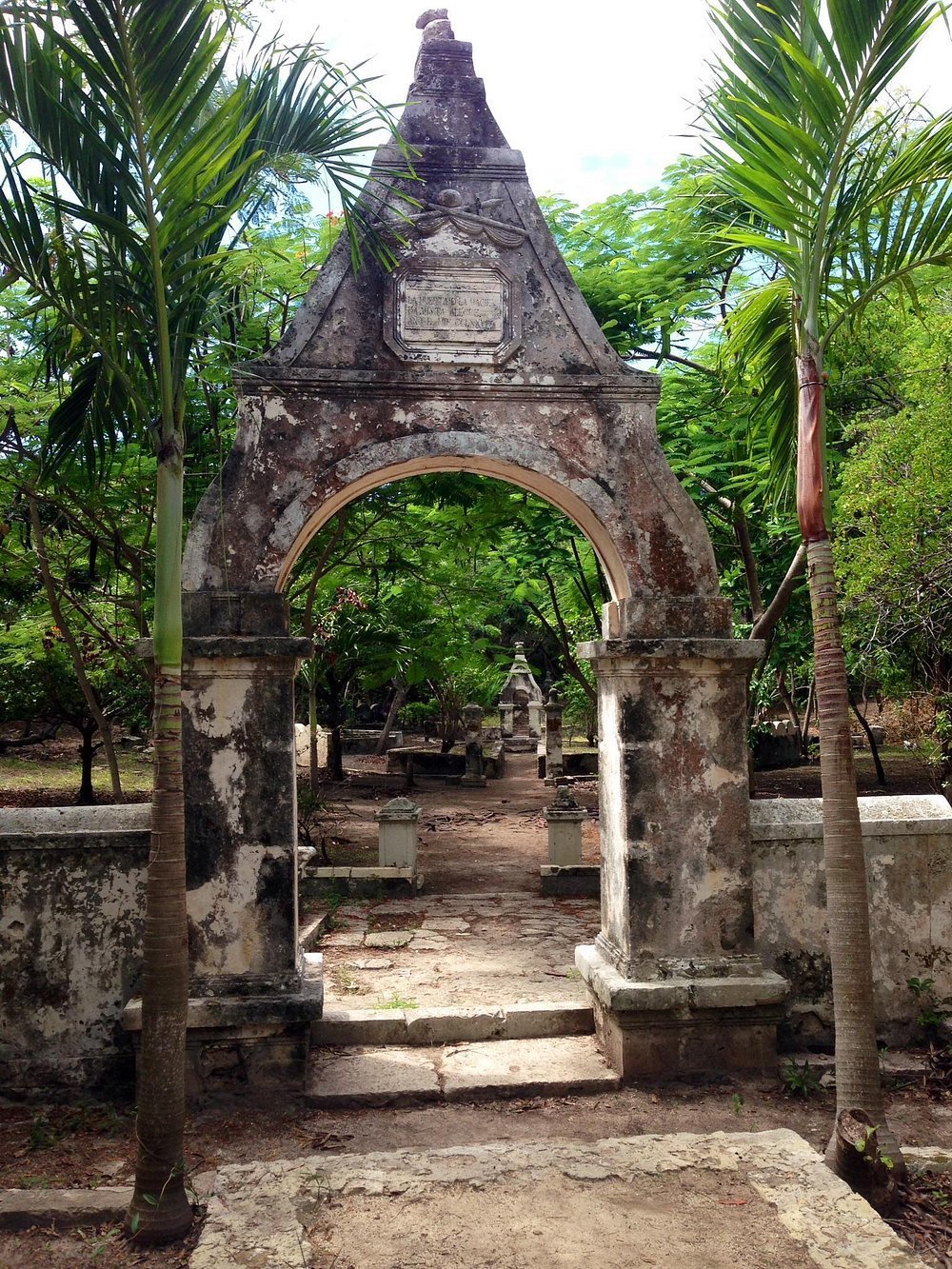
Isla Mujeres, Quintana Roo — New archaeological findings at Hacienda Mundaca are shedding light on the island’s pre-Hispanic past, with researchers confirming the site once served as a sanctuary dedicated to the Maya goddess Ixchel—one of the most important deities in the region.
Municipal authorities, working alongside Mexico’s Instituto Nacional de Antropología e Historia (INAH), are currently analyzing a series of artifacts and burial sites uncovered within the park. The discoveries date to the Postclassic period (roughly 1200–1500 AD), when Isla Mujeres held particular religious significance for the Maya, especially as a pilgrimage site connected to Ixchel, goddess of fertility, the moon, and the tides.
A Sanctuary Linked to Ixchel
Archaeologists say the findings reinforce long-held historical accounts that Isla Mujeres—whose name itself is tied to the discovery of female figurines by the Spanish—was closely associated with Ixchel worship. Women from across the Maya world are believed to have traveled here seeking blessings related to fertility, childbirth, and healing.
Among the most notable discoveries at Hacienda Mundaca is a carved face believed to represent the goddess, along with ritual objects including jade and jadeite pieces, fishing implements, and animal remains that suggest ceremonial activity tied to both land and sea.
Human Remains and Ongoing Excavations
Excavations have also revealed at least eight human burials, including both men and women, dating to the 12th or 13th centuries. According to local chronicler Fidel Villanueva, additional tombs remain unexplored, indicating the site could hold far more archaeological significance than previously understood.
“These findings suggest this was not just a settlement, but a place of ritual importance,” Villanueva noted during the site’s reopening ceremony.
A Site Long Neglected
Despite its historical value, Hacienda Mundaca has had a troubled recent history. For years, the property lacked basic protections, leaving it vulnerable to looting and vandalism. Villanueva described the site as having been “brutally stripped” of cultural materials during periods when it remained open and largely unmonitored.
It wasn’t until 2014, under then-municipal president Agapito Magaña Sánchez, that funding was secured to fence and protect the area. Even so, meaningful restoration and archaeological work only gained momentum under the current administration led by Municipal President Atenea Gómez Ricalde.
Restoration and Public Access
Recent rehabilitation efforts have focused on making the site both accessible and sustainable. Improvements include:
- Safer walking trails through the jungle
- A new observation tower
- Upgrades to the outdoor theater
- Installation of interpretive sculptures and visitor enhancements
Today, the park spans approximately 17 hectares, down from its original 19, and is home to more than 200 species of flora and fauna. Interestingly, years of limited human activity appear to have benefited the ecosystem, with occasional sightings of Monarch butterflies reported in the area.
Protecting What Remains
Local authorities and historians are now calling for stronger protections to ensure the site is preserved for future generations. Concerns remain about potential land sales or concessions that could once again put the area at risk.
The renewed attention on Hacienda Mundaca highlights a broader reality across the region: beneath well-known tourist destinations lie layers of history that are still being uncovered—and, in some cases, recovered after years of neglect.
As excavations continue, archaeologists believe the site may yield further insights into Isla Mujeres’ role in the spiritual and cultural life of the ancient Maya world.
More Isla Mujeres
- Mexican Navy Rescues 10 Cuban Rafters Drifting South of Isla Mujeres
- Cancún–Isla Mujeres Boat Cooperatives Sink Under Heavy Losses as Only 20 of 130 Vessels Stay Active
- Isla Mujeres Opens Registration for Third ‘Bailando con el Corazón’ Dance Contest
- Isla Mujeres Police Probe Possible ATM Card Fraud Attempt at Chedraui Store
- Mexican Navy Rescue Team Evacuates Woman From Cruise Ship Off Isla Mujeres
