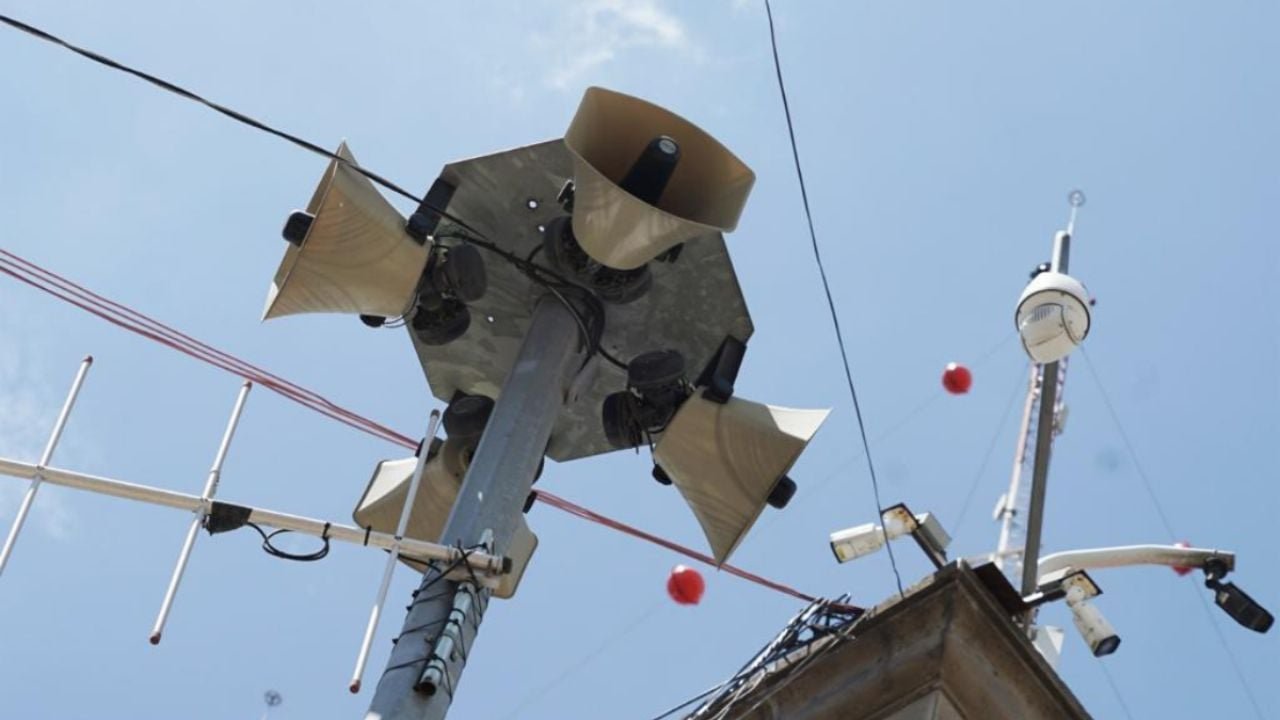
Quintana Roo, Mexico — A magnitude 6.1 earthquake centered in Cuba shook buildings across Quintana Roo on Monday, prompting widespread confusion among residents and tourists who wondered why no earthquake alert sounded on their phones or through public speakers.
The answer is straightforward: Quintana Roo does not have a seismic alert system with speakers in its cities. The state’s geographic location on the Yucatan Peninsula means the risk of significant earthquakes is minimal, and when tremors do occur, the danger is very low, according to authorities.
Despite the low risk, the shaking caused fear in high-rise buildings such as hotels, where tourists accustomed to emergency plans were caught off guard.
Many expected their cellphones to provide an automatic warning, but the state lacks coverage for automatic seismic alerts because earthquakes are not a frequent occurrence. Additionally, the epicenter was outside the country, which further limited the existing alert system’s ability to notify residents. People only realized it was an earthquake after feeling the initial tremor and seeing others evacuate homes and workplaces.
Governor Mara Lezama confirmed in a video message that there is no tsunami risk following the Cuban earthquake. She urged residents to follow home inspection protocols and report any issues to authorities. In case of aftershocks, officials recommend staying calm, not running, not shouting, and not pushing.
More Lifestyle
- Isla Mujeres Ready for Luz y Vida 2026 Festival With Free Pandora Concert
- Moderna COVID-19 Vaccine to Be Offered to Children in Cancún
- Hospital O’Horán Performs First Robotic Appendix Surgery; Patient Treated Free of Charge
- Paraguayan Tourists Challenge Asur Over $30 Exit Fee at Cancún Airport
- Influencer Discards 2,500-Peso SpongeBob Cake at Nickelodeon Riviera Maya, Citing Bad Taste
More Quintana Roo
- Quintana Roo Tops 152,000 Metric Tons of Sargassum as Playa del Carmen and Cancún Lead
- Court Gives Profepa 72 Hours to Clarify Tren Maya Closure Order
- Quintana Roo Beaches Lose Up to 14 Meters of Sand a Year as Restoration Plan Advances
- Quintana Roo Youth Sailors Join Mexico’s Team for Optimist Championship in Uruguay
- Mara Lezama Hands Out 100 Sewing Machines in Chetumal to Boost Women’s Self-Employment