
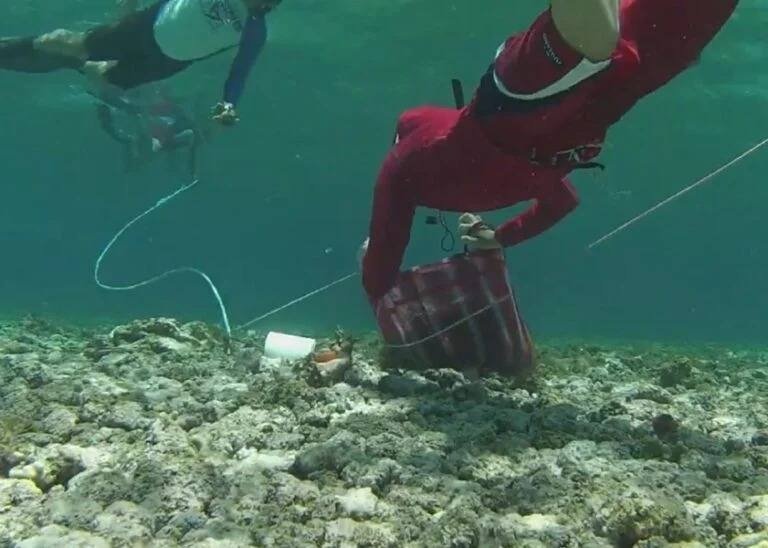
Chetumal, Quintana Roo — Mexico’s National Fisheries Commission (Conapesca) announced that the pink conch harvesting season in the Chinchorro Bank reserve opened today and will run through April 30, 2026.
The authorized fishing area extends from Punta Herrero in Felipe Carrillo Puerto to the Belize border in Othón P. Blanco. Fishermen from Pulticub, Río Indio, Mahahual, Xahuachol, Xcalak, and intermediate points can now capture and sell the pink conch within the three vertices of the Chinchorro Bank Biosphere Reserve.
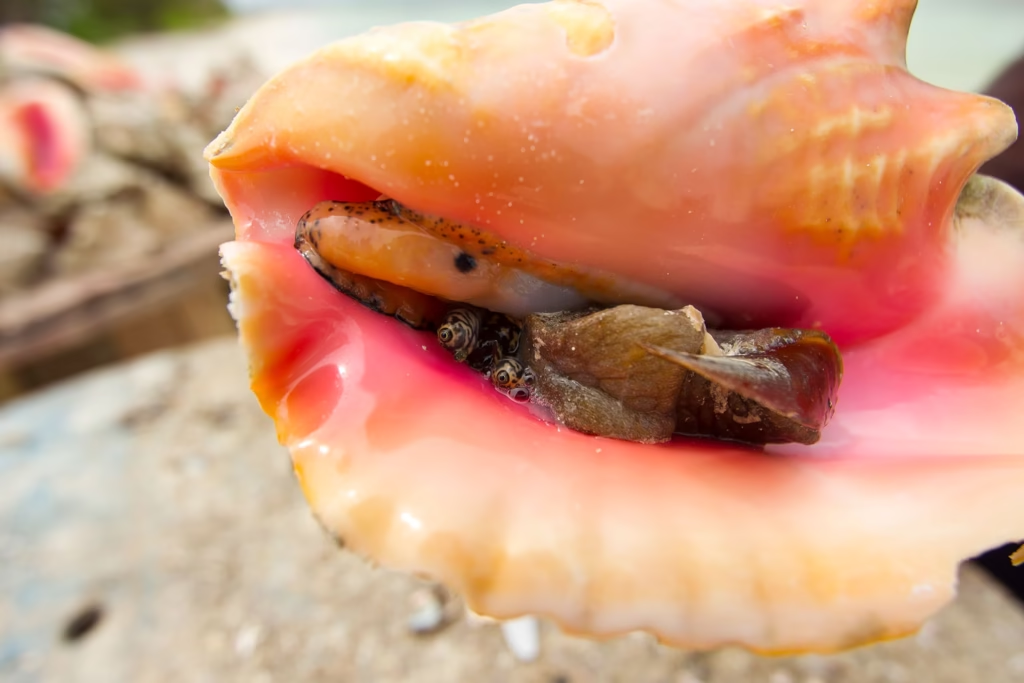
The pink conch (Lobatus gigas) also known as queen conch has historically been a significant fishery resource in Quintana Roo, with annual catches exceeding 300 tons, according to Conapesca records. Due to overexploitation, the species now faces strict fishing bans and regulations that limit commercial harvesting and promote conservation.
Poaching remains a threat to the species, but authorities and local fishermen report a noticeable decline in illegal fishing vessels in the area between 2024 and 2025.
“Poachers know we’re out there and that our boats can catch them. They know they risk being detained and handed over to authorities. It’s made them more cautious and has reduced illegal fishing in the area,” said Agustín Cáceres, a diver from Mahahual who specializes in harvesting the mollusk.
Why the Season Is So Limited
The pink conch is one of the most tightly regulated marine species in the Caribbean. Its short harvest window reflects its biological vulnerability and decades of regional overfishing.
Pink conch are slow-growing marine gastropods that can take three to five years to reach sexual maturity. Only individuals that have developed a fully flared lip on their shell — a sign of maturity — may legally be harvested. The species reproduces seasonally, generally during warmer months, when females deposit egg masses containing hundreds of thousands of eggs. However, natural survival rates are extremely low, and removing breeding adults significantly reduces future population recovery.
Across the wider Caribbean, Lobatus gigas populations have declined sharply. The species is listed under Appendix II of the Convention on International Trade in Endangered Species (CITES), meaning international trade is closely monitored. In Mexico, it is also included under NOM-059-SEMARNAT as a species subject to special protection.
Chinchorro Bank, Mexico’s largest coral atoll and a federally designated Biosphere Reserve, provides critical habitat for conch throughout different life stages, including seagrass beds where juveniles grow and shallow sandy areas where adults aggregate to reproduce. Because conch gather in groups to spawn, they are particularly vulnerable to rapid depletion if harvest is not tightly controlled.
For this reason, Mexico enforces a brief legal season, strict size requirements, and geographic limitations. Outside of this authorized window and zone, capture is prohibited.
Souvenir Collection Also Causes Harm
Authorities and marine biologists also warn that illegal removal of conch shells — even empty ones — as tourist souvenirs contributes to ecological disruption.
Live conch taken illegally for personal keepsakes directly reduce reproductive populations. Even discarded shells left on beaches or in shallow waters serve ecological functions. Hermit crabs and other small marine organisms rely on empty shells for shelter, while shells naturally break down over time and contribute calcium carbonate back into coastal ecosystems.
Removing shells at scale — whether for commercial sale or personal souvenirs — disrupts these processes and adds to cumulative stress on already pressured marine environments.
Officials remind visitors that collecting live marine species, including conch, from Mexican waters is illegal without proper authorization and may result in fines, confiscation, or detention at ports of exit.
For southern Quintana Roo’s coastal communities, pink conch represents both cultural tradition and economic livelihood. The tightly regulated season is designed to ensure that the species remains viable — not only for today’s fishermen, but for future generations along the Mexican Caribbean coast.
More Business
- Zamna Tulum 2027: Dates, Lineup and Ticket Details
- Cancun Tourism Slumps 7% as Industry Leaders Urge Marketing Overhaul
- Puerto Morelos Port Eyes New Guatemala Trade Route
- Cozumel Freezes New Street Vendor Permits as Review Committee Stalls
- Chetumal Entrepreneur Develops Automatic Hammock Rocker for Mexico
