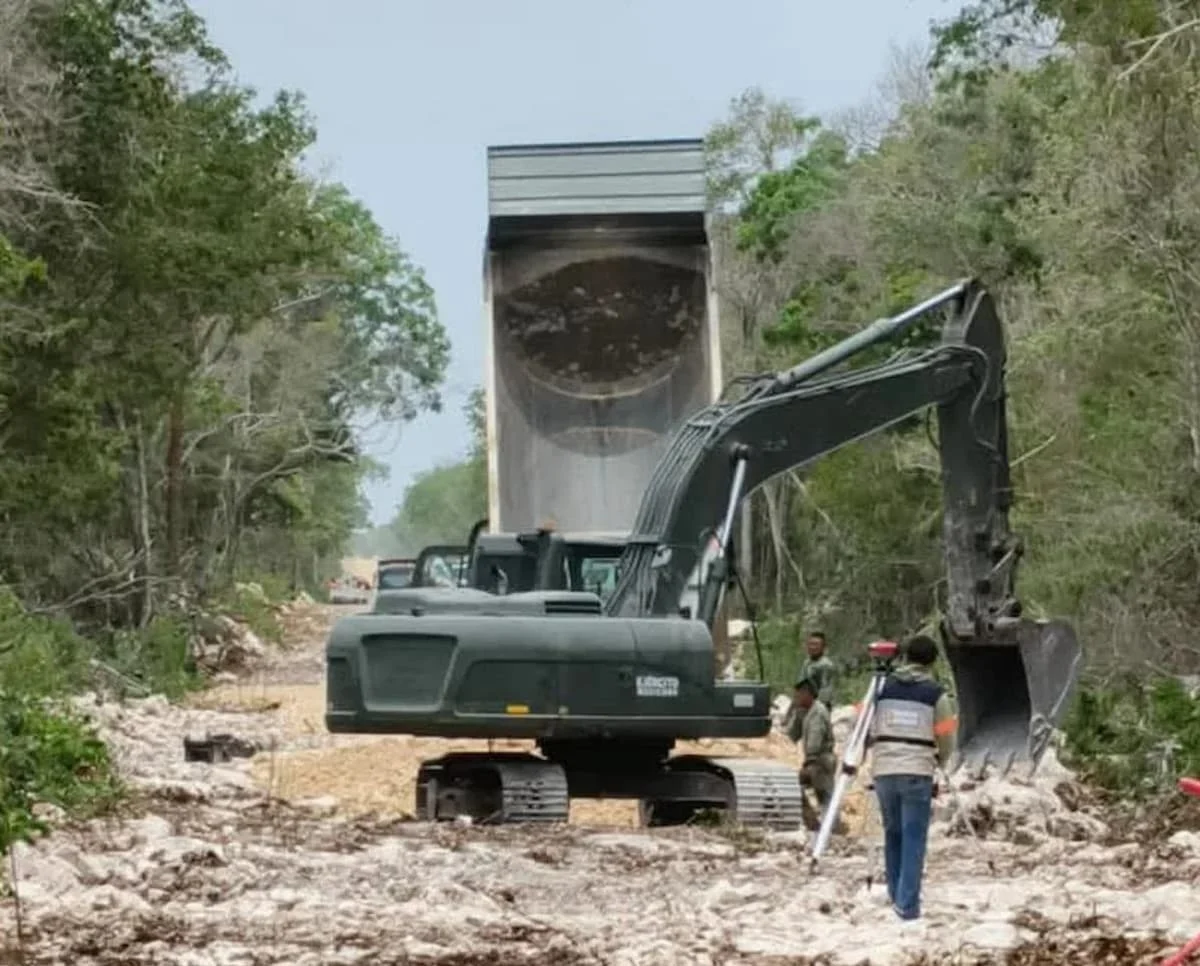
Tulum, Quintana Roo — The environmental organization Sélvame has warned that infrastructure projects in Tulum could threaten the stability of one of the most extensive cave and underground river systems in the Yucatan Peninsula, which spans more than 100 kilometers.
The group expressed concern that construction work in the area may cause structural damage to the subterranean network, which holds strategic freshwater reserves, archaeological and paleontological remains, and ecosystems of high environmental value.
Call for permanent monitoring
Sélvame noted that the karst soil of Quintana Roo makes the region especially vulnerable to surface modifications, and urged authorities to maintain constant surveillance and conduct specialized studies to detect potential risks before they escalate.
Any deterioration of the caves or caverns could directly affect the Tulum aquifer, a primary water source for the local population and numerous ecosystems, the group said. They called for independent experts to carry out technical assessments to determine the real impact of ongoing construction projects in the municipality.
The organization also urged federal and state environmental authorities to step up oversight in sensitive areas to ensure the preservation of the underground system. Geologists and conservation specialists have repeatedly noted that Tulum is part of one of the largest flooded cave complexes on the planet, a natural heritage of international importance whose protection is critical to the region’s ecological balance.
As debates continue over the potential impacts of infrastructure works, civil organizations are demanding greater transparency in environmental studies and permanent monitoring of the subsoil to prevent irreversible damage to one of Quintana Roo’s most emblematic ecosystems.
More Environment
- Cancún Sends 30 Brigades to Clear Flooded Streets
- Leaks Flood Cancún Airport Terminal 2 as Heavy Rain Soaks Check-In Area
- Flamingos Banded in Yucatan Peninsula Travel as Far as Venezuela, Tracking Shows
- Cutaneous Leishmaniasis Cases Jump 387% in Mexico’s Yucatan Peninsula
- Sheinbaum Reviews Sargassum Monitoring in Cancún as Quintana Roo Shifts to Early Intervention
More Tulum
- Mexican Caribbean Destinations and Resorts Win Across 2026 World Travel Awards
- Why a Councilman Wants Tulum Out of the Airport’s Name
- Zamna Tulum 2027: Dates, Lineup and Ticket Details
- Cancun Tourism Slumps 7% as Industry Leaders Urge Marketing Overhaul
- Tulum’s Mureco Museum Adds 53 Mesoamerican Pieces for Second Anniversary