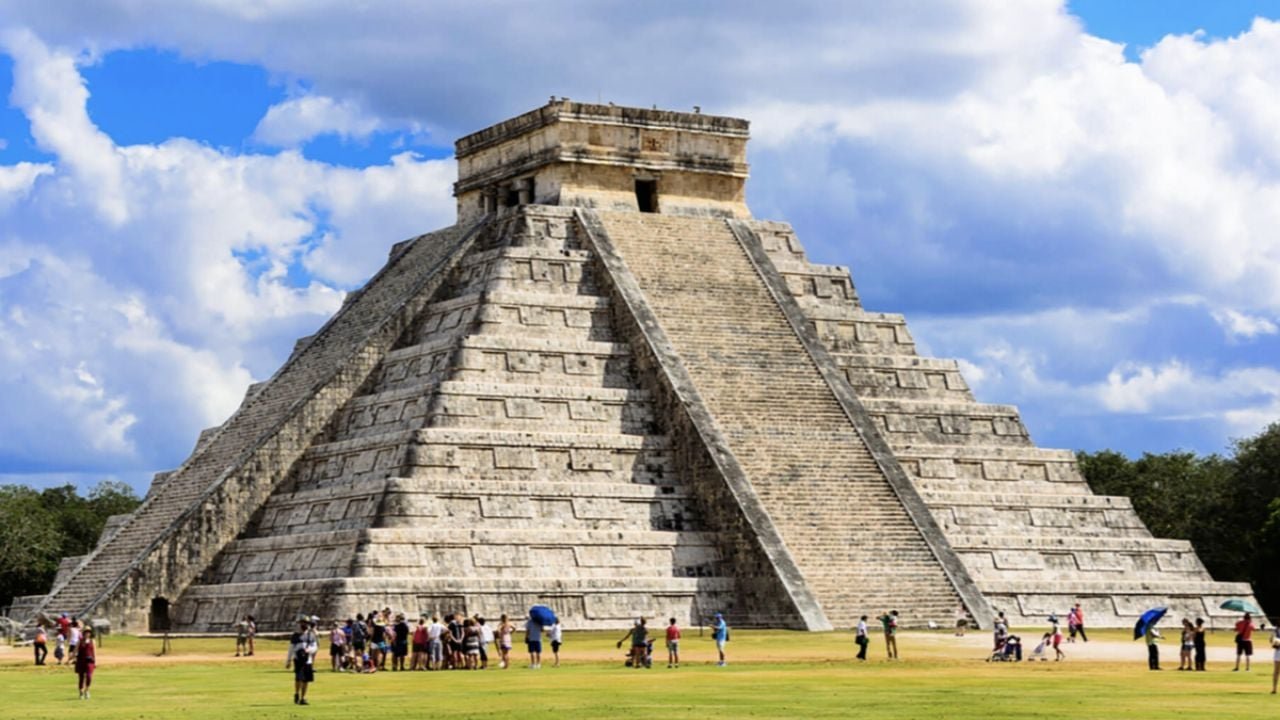
Pisté, Yucatán — Chichén Itzá, one of Mexico’s most iconic archaeological sites, reopened its doors on June 1 after nearly two weeks of closure triggered by a dispute between authorities and local vendors.
The conflict began on May 19 when maintenance work at the site led to tensions between street vendors and officials over a planned relocation to a new Visitor Center. Artisans and the Indigenous Council of Pisté rejected the reordering of their sales areas, arguing it hurt their businesses. They blocked access to tourists, prompting the closure.
The National Institute of Anthropology and History (INAH) has now resolved the situation and resumed normal operations.
Hours and Admission Fees
The site is open daily from 8:00 a.m. to 4:00 p.m. Admission prices vary by nationality and age:
- Foreign visitors: 675 pesos
- Mexican nationals: 298 pesos (with official ID)
- Mexican nationals on Sundays: free (with INE ID)
- Yucatán residents: 100 pesos or free entry
- Children under 13 (national and foreign): 110 pesos
Getting There from Cancún
Travelers from Cancún can take the Tren Maya to the Chichén Itzá station. Train ticket prices are:
- Local tourist (peninsula residents): 310 pesos
- National tourist: 465 pesos
- International tourist: 620 pesos
- Premier national: 743 pesos
- Premier international: 991 pesos
- Special (seniors/students): 248 pesos
From the station, a shuttle bus to the archaeological zone costs 55 pesos. Visitors can also drive directly. Officials recommend arriving early, wearing sunscreen, and bringing comfortable clothing for walking.
More Lifestyle
- Tulum’s Mureco Museum Adds 53 Mesoamerican Pieces for Second Anniversary
- Chetumal Entrepreneur Develops Automatic Hammock Rocker for Mexico
- Cancún Prepares Janal Pixán 2026 at Puerto Juárez, Aims to Double Attendance
- Mental Health and Addiction Top Concerns Among Playa del Carmen Youth, Survey Finds
- Cancún Opens Registration for Janal Pixan 2026 Catrina and Altar Contests