
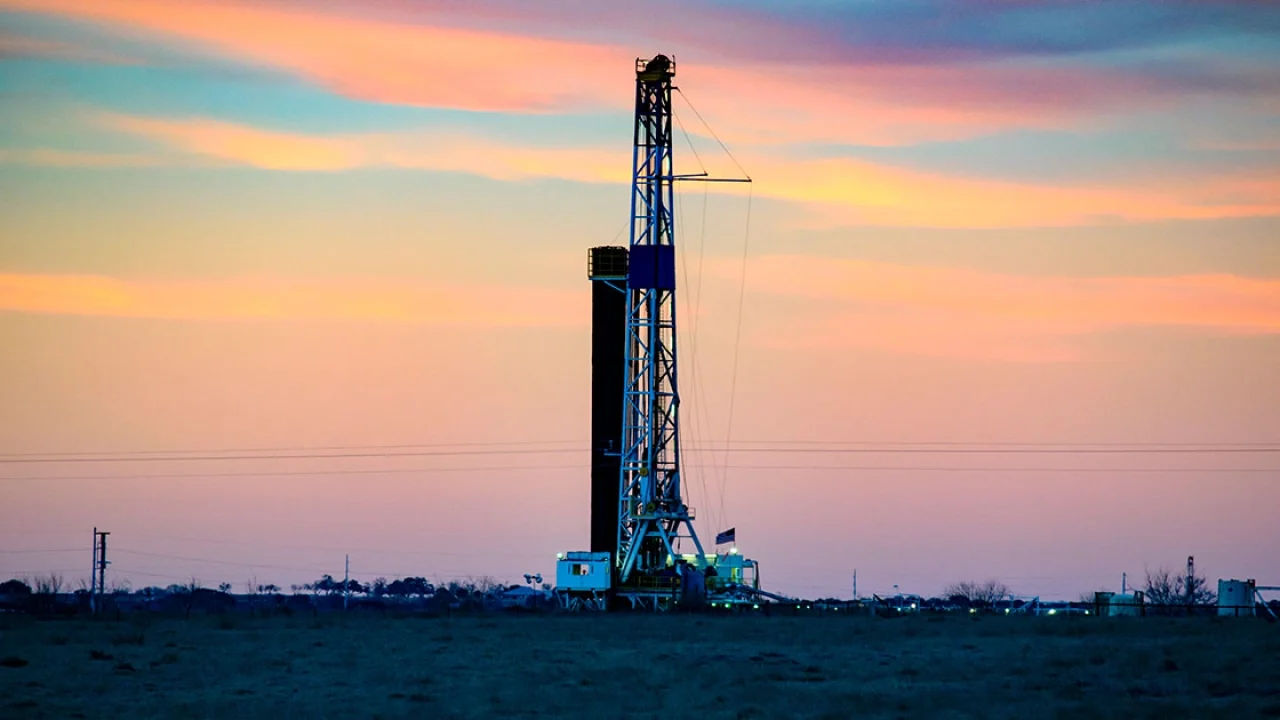
Mexico City — Mexican farmers are reporting widespread crop losses and environmental damage they attribute to hydraulic fracturing, or fracking, as President Claudia Sheinbaum’s administration considers expanding the controversial natural gas extraction technique.
Sheinbaum announced Wednesday that she has assembled a team of experts to study less-polluting methods for extracting natural gas through fracking. “We will make the decision based on scientific knowledge,” she said.
The move marks a shift from the policy of her predecessor and mentor, Andrés Manuel López Obrador, who strongly opposed fracking during his 2018–2024 term. Sheinbaum’s government aims to reduce Mexico’s heavy reliance on U.S. natural gas, which currently supplies up to 70% of the country’s consumption.
Fracking involves injecting high-pressure fluid into underground rock formations to release oil and gas. Critics point to its high water usage, use of potentially harmful chemicals, and potential to cause minor earthquakes.
Mexico has previously used fracking in about 30 unconventional wells and 8,500 conventional wells, according to Manuel Llano of the Mexican Alliance Against Fracking, an NGO.
Farmers Report Devastating Impacts
In Veracruz, Mexico’s top citrus-producing state, residents blame fracking by state oil company Pemex for drying up lemon and orange trees, contaminating water, and damaging soil.
“The citrus trees have dried up, the land is infertile, we can no longer grow corn, we can’t grow anything,” said Gloria Domínguez, a resident of Papantla municipality.
In nearby Coatzintla, farmer Galdino García Juárez said water has been scarce since fracking began in conventional wells in 2005. “Before, it was normal to see water accumulate during rains, water wasn’t scarce,” he explained. “Since they started exploring and fracturing the ground, water no longer stays on the surface—it filters away.”
García Juárez added that his animals no longer drink from the local stream. Pemex did not respond to requests for comment on these projects.
Government Points to New Technologies
Sheinbaum emphasized that new water recycling technologies could mitigate environmental impacts. “What we’ve been observing is enormous innovation in this area,” she said. “It allows for less polluting chemicals to be used, biodegradable chemicals.”
She added, “I’m not saying zero environmental impact because no human activity has zero environmental impact, but rather the reduction and mitigation of damage.”
High Costs and International Context
Experts note that treating the highly saline wastewater from fracking is possible but requires expensive technology. “Fracking is already four times more expensive than production in a conventional well,” said Llano. “The issue is that with oil and gas prices, these costs become uncompetitive.”
Elsewhere in Latin America, Argentina and Chile have used fracking on a smaller scale, while Colombia has attempted to ban it. European countries including France and Germany prohibit the practice, and the UK has established a moratorium aimed at permanently avoiding it.
Sheinbaum argues that fracking will help Mexico achieve energy sovereignty. However, independent energy policy consultant Rosanety Barrios noted that Pemex lacks funds, technology, and experience in this area.
“Who are those operators? It just so happens they are U.S. operators,” Barrios said, suggesting American firms are waiting for legal security conditions before entering the Mexican market.
More Business
- Cancún Airport Transporters Blame ASUR for Steep Fees
- Akumal Halts Turtle Swim Tours Through September
- Mexico’s Treasury Seeks Power to Ban Cash Payments Sector by Sector
- Quintana Roo Civil Protection Warns Against Fireworks Ahead of Independence Day
- Business Leaders Urge Playa del Carmen to Diversify Economy as Tourism Slumps
