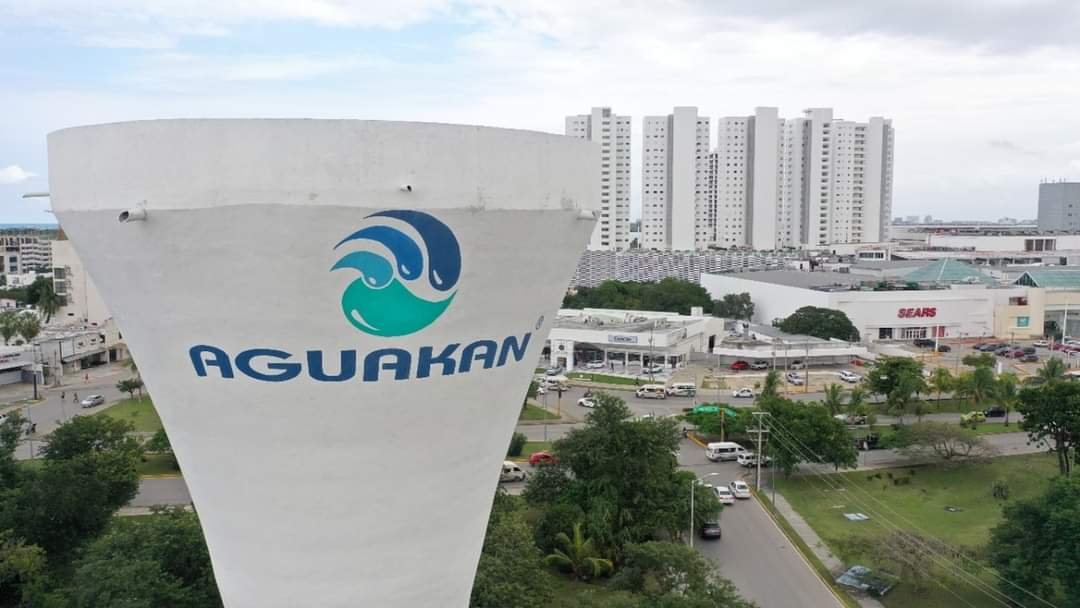
Chetumal, Quintana Roo — While previous legislatures in Quintana Roo pushed multiple initiatives to reform water fees and reduce charges, the current 18th Legislature has taken limited action on direct tariff changes, despite ongoing public complaints about the cost of service.
During the 15th, 16th, and 17th legislatures, lawmakers proposed various reforms to the fee system applied by CAPA and the concessionaire Aguakán, mainly in the municipalities of Benito Juárez, Playa del Carmen, Puerto Morelos, and Isla Mujeres.
Key legislative efforts included proposals to repeal or reform Article 7 of the Water Fees and Tariffs Law, which underpins the so-called “minimum fee” or “base charge” that domestic users must pay even with low consumption.
The initiatives argued that the current scheme financially burdens thousands of families due to mandatory minimum fees, periodic increases, late payment surcharges, sanitation and sewerage charges, and a lack of clarity in bills.
Civil organizations and citizens also submitted proposals such as the “Fair Water Tariffs” initiative, backed by thousands of signatures, which denounced Quintana Roo as having some of the highest domestic water costs in the country.
Currently, the minimum domestic water tariff exceeds 200 pesos per month before VAT, even for low consumption, continuing to fuel social discontent.
Residents in concession areas have long complained about excessive charges, allegedly irregular meters, difficulties in getting clarifications, and accumulating debts that significantly increase bills.
In contrast, the 18th Legislature has focused largely on reviewing the Aguakán concession and political actions related to Decree 250, which extended the concession until 2053. One major move was the approval to repeal that decree. However, no specific initiatives have been introduced to reform the domestic fee and tariff system.
Although lawmakers have voiced positions on the human right to water and the need for a fairer system, the main public demand — the economic impact of water tariffs on thousands of households — remains unresolved.
The legislative debate continues amid ongoing debt regularization programs and citizen demands to change a tariff model that, according to various initiatives in recent years, is costly and inaccessible for much of the population.
More Business
- 40-Hour Workweek in 2027 Will Speed Up Robots and AI in Hotels, IMEF Says
- Mexico’s Supreme Court Blocks Telmex Bid for Automatic Pay TV Access
- Mexico and EU Bring Modernized Global Agreement to Congress as Senate Ratification Looms
- Lawmakers Propose One Tree Every 15 Meters in New Quintana Roo Developments
- Moody’s Warns Mexico Faces Negative Fiscal Trend on Rising Debt and Weak Growth
More Quintana Roo
- Two Atlantic Low-Pressure Areas Watched; One Shows 40% Cyclone Chance
- Quintana Roo Reports 282 Dengue Cases, Eight of Them Severe
- Trafficking Cases Keep Quintana Roo on Alert With 159 Reported in 2026
- INEGI Confirms Quintana Roo Surpasses 2 Million Residents
- Mexican Navy Opens Youth Photography Contest on Ocean Conservation