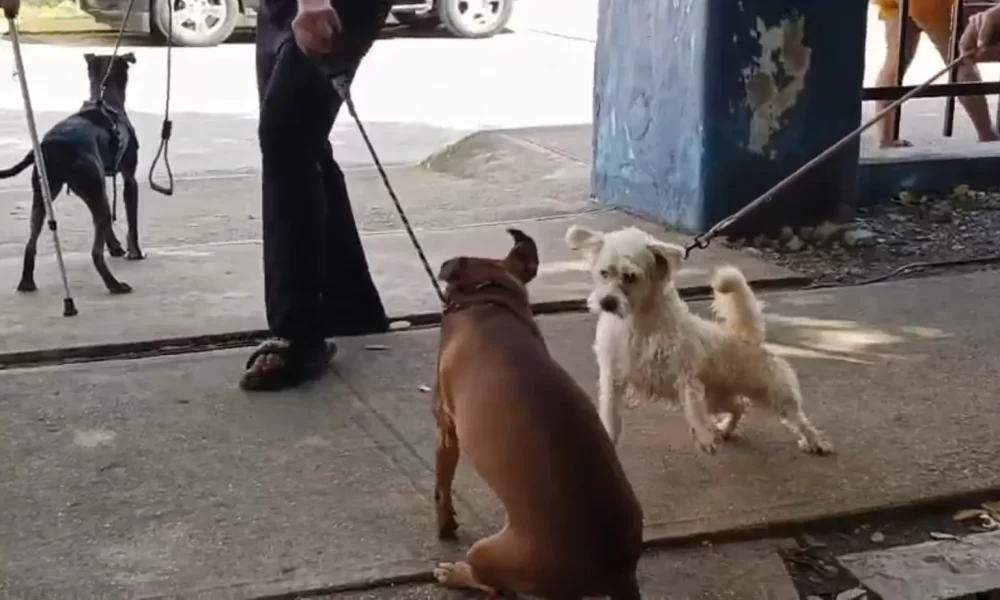
Playa del Carmen, Quintana Roo — Sterilization campaigns for dogs must prioritize animals living on the streets rather than those that already have owners, according to canine behavior specialist Rubén Mejía.
Mejía, who works with aggressive dogs, said one of the main flaws in current programs is that they sterilize pets that have been rescued or live in homes, while stray animals continue to reproduce without control.
“We are sterilizing the dog that already has an owner, but not the one that doesn’t. Those on the streets keep reproducing,” he said.
He called for a program that first targets female strays and then males, in order to reduce the growth of the street dog population and reclaim public spaces.
Mejía warned that the problem is worsening. In the past, he noted, it was uncommon to hear about feral dogs, packs, or attacks in public areas. “We are going to reach a higher point if we don’t put a brake on it, and we need to put that brake on now,” he said.
Controlling reproduction among street dogs, he added, would reduce risks to the public and help manage the city’s canine population.
More Environment
- Sargassum Barrier Reaches Puerto Aventuras as Navy Support Takes Shape
- Why Quintana Roo’s Sewer Gap Is Polluting Cenotes and Coasts
- Hotels in Cancún and Puerto Morelos Restore Coastal Dunes With Native Plants
- Dolphin Swims Continue in Puerto Aventuras as Cancún Dolphin Debate Simmers
- Punta Allen Lobster Fishermen Report 40 Tons Three Months Into Season
More Playa del Carmen
- Calica Mine Lands to Become Ecological Restoration Zone, Conanp Says
- Bull Shark Diving Hits Carrying Capacity in Playa del Carmen
- Playa del Carmen Plans to Restore 750 Meters of Beach in November Using Sand Recovered from Sargassum Cleanup
- Federal Court Halts Macondo Playacar Construction, Voids Building Permit
- Tropical Wave 36 Floods Northern Quintana Roo, Hits Tourism