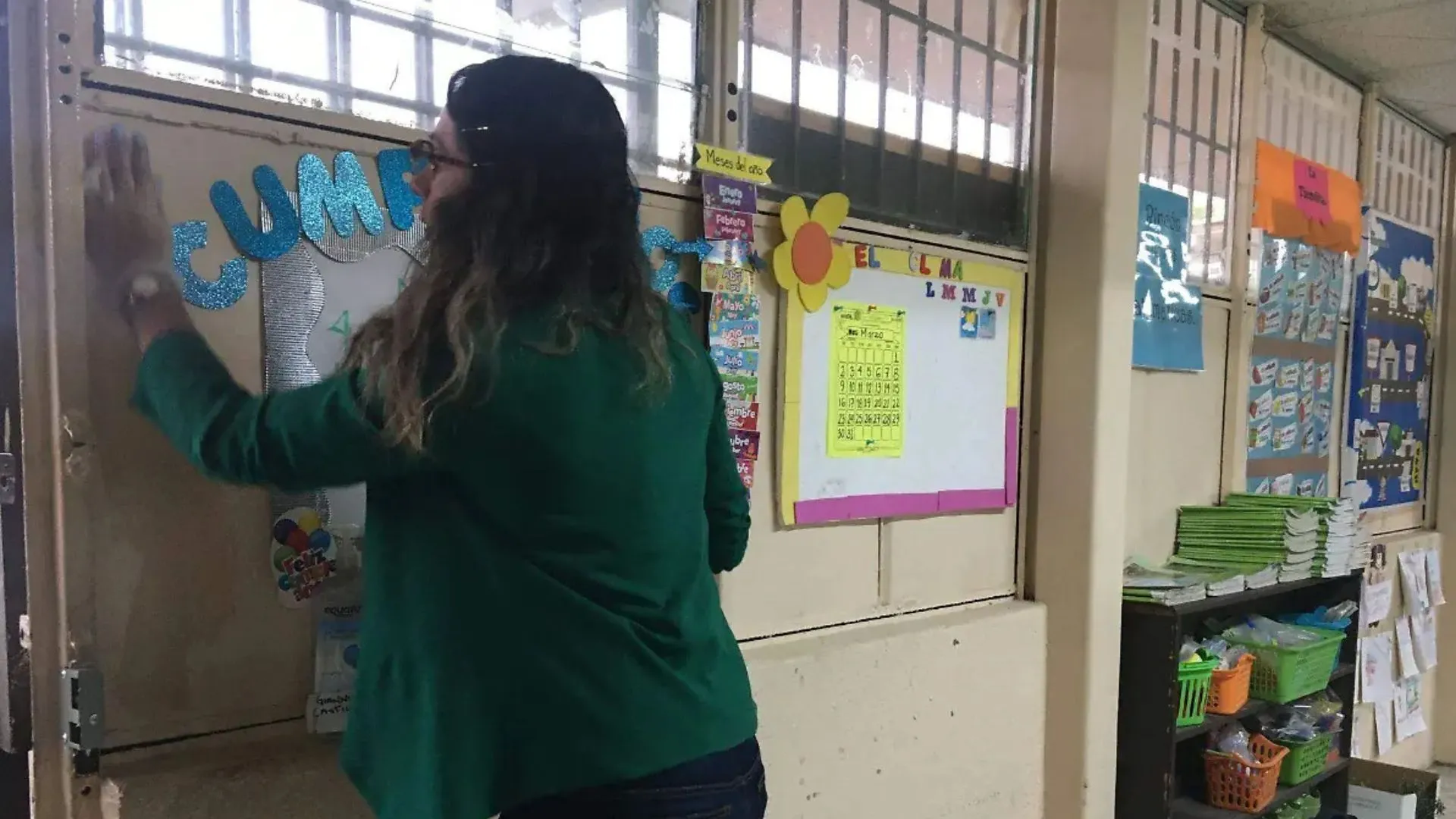
Mexico City — A growing dispute between federal education authorities and private schools is creating uncertainty for families across Mexico as the end of the 2025–2026 school year approaches.
Private school networks, led by groups such as the Asociación Nacional para el Fomento Educativo (ANFE) and the Asociación Nacional de Escuelas Particulares (ANEP), have announced they will not follow the federal proposal to end the academic year early. Instead, they intend to continue classes through July 15, the date originally established in contracts with parents.
A Calendar Still in Flux
The controversy stems from a proposal by Mexico’s Secretaría de Educación Pública (SEP), which suggested shortening the school year by roughly a month. Officials cited two main factors: unusually high temperatures in several regions of the country and logistical considerations tied to the 2026 FIFA World Cup, which Mexico will co-host.
However, the plan has yet to be formally finalized. President Claudia Sheinbaum Pardo acknowledged that no definitive calendar has been published, even after the proposal was put forward by Education Secretary Mario Delgado Carrillo.
This lack of clarity has left schools, parents, and students in limbo.
Private Schools Push Back
Private school associations argue that changing the calendar at this stage would disrupt family plans and undermine contractual agreements made at the beginning of the academic year. Many parents have already scheduled travel, camps, and childcare arrangements based on the original July end date.
More importantly, these institutions say they are legally entitled to continue operating.
Under Mexico’s Ley General de Educación, schools must meet minimum requirements of between 185 and 200 instructional days. According to ANFE-ANEP, the proposed early closure could reduce the effective school year to around 159 days, raising concerns about academic continuity and learning outcomes.
Private schools maintain that as long as they comply with official administrative processes—such as grade reporting, certification, and platform submissions—they are within their rights to continue offering classes, workshops, and remedial programs beyond any adjusted public calendar.
Heat and Infrastructure Challenges
The SEP’s proposal reflects a broader issue: extreme heat is becoming an increasing concern in Mexico’s school system. In recent years, temperatures in some regions have exceeded safe classroom conditions, particularly in schools without air conditioning or adequate ventilation.
Public schools, especially in lower-income areas, are more vulnerable to these conditions, which may explain the push for an earlier end to the academic year. Private schools, by contrast, often have better infrastructure and may be more capable of continuing operations safely through the hotter months.
What It Means for Families
For parents, particularly those with children in private institutions, the situation may lead to a split system. Public schools could end early, while private schools continue through mid-July.
This creates practical challenges, especially for families with children in both systems or those relying on coordinated schedules for work and travel.
Private school associations are now calling on the SEP to provide clear guidance on final calendar dates, administrative deadlines, and the scope of any changes. They have also urged federal authorities to reconsider the proposal altogether, warning that a shortened school year could have lasting academic consequences.
A Familiar Tension
The dispute highlights a recurring dynamic in Mexico’s education system, where public policy decisions do not always align neatly with the operational realities of private institutions.
For now, the message from private schools is clear: until an official calendar is published, they will stick to the one parents signed at the start of the year.
And for families, that means planning for uncertainty—at least for now.
More Lifestyle
- WHO Warns El Niño Poses Major Global Health Threat
- Progreso to Open Historic Muelle de Arcos for Sunset Walk Marking 85 Years
- Cozumel Reports Alcohol and Drug Use Starting at Age 11
- Cancún Officials Urge Residents to Protect Pets After Reported Puma Sighting in Cuna Maya
- Cozumel Launches Rabies Vaccination Drive With 3,000 Free Doses for Pets