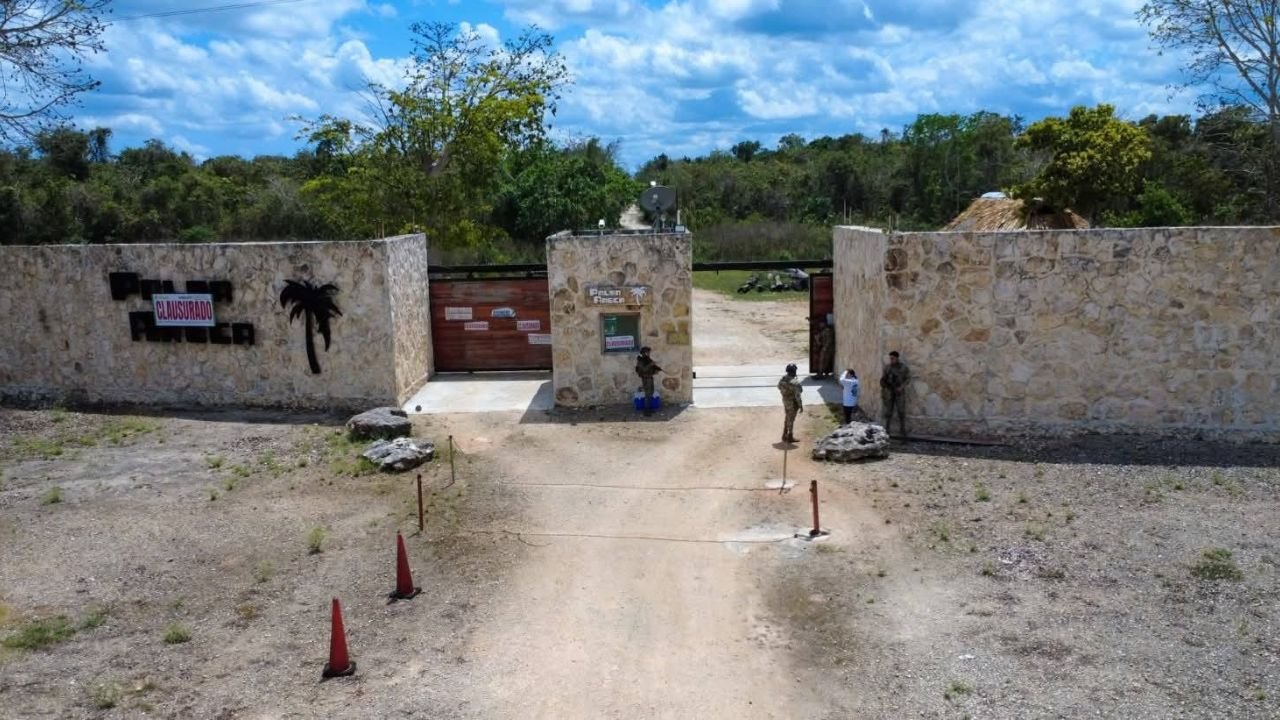
Chetumal, Quintana Roo — An environmental organization is calling for a selective, planned tourism model in southern Quintana Roo to avoid the overdevelopment and ecological damage seen in the Cancún-Tulum corridor.
Antonella Vázquez Cavedón, a member of the group Defending the Right to a Healthy Environment (DMAS), said regions such as Bacalar, Othón P. Blanco and Felipe Carrillo Puerto must prioritize urban planning and environmental compliance before promoting new large-scale lodging projects.
“The goal should not be to attract more tourists, but better visitors,” Vázquez Cavedón said. She warned that replicating the expansion model of Playa del Carmen or Tulum in the south could deepen crises in mobility, waste management and water access.
DMAS argues that rapid growth in northern Quintana Roo has led to excessive urban pressure, infrastructure deficits and critical damage to ecosystems. The group says southern municipalities have a historic opportunity to build sustainable tourism from the start.
Vázquez Cavedón, an environmental lawyer, stressed that the conflict is not between economy and conservation, but between rule of law and impunity. She outlined key requirements for responsible development: strict compliance with Environmental Impact Statements (MIA), pre-existing infrastructure such as wastewater treatment plants, and urban planning that respects the destination’s carrying capacity.
“If it’s not in the law, we can’t sue, but when the law is broken, that’s where we act,” she said, criticizing conditional permits issued by some authorities.
The lawyer described the all-inclusive model as one of the biggest mistakes in Quintana Roo, as it concentrates wealth in international chains and limits benefits for local communities. As an alternative, DMAS proposes a smaller-scale selective tourism model focused on research, science and culture. This approach would ensure that economic benefits reach local businesses and protect sensitive ecosystems such as mangroves and cenotes, allowing nature to recover.
More Chetumal
- Tren Maya Freight Complex in Chetumal to Break Ground in 2027
- More Than 200 Children Evacuated From Chetumal Daycare After Electrical Fault
- Quintana Roo Prisons Add Digital Visit Booking and Family Spaces
- Bamboo Growers From 13 Mexican States Form National Association
- Chetumal Chef Kevin Chávez to Represent Mexico at S.Pellegrino Young Chef Regional Final