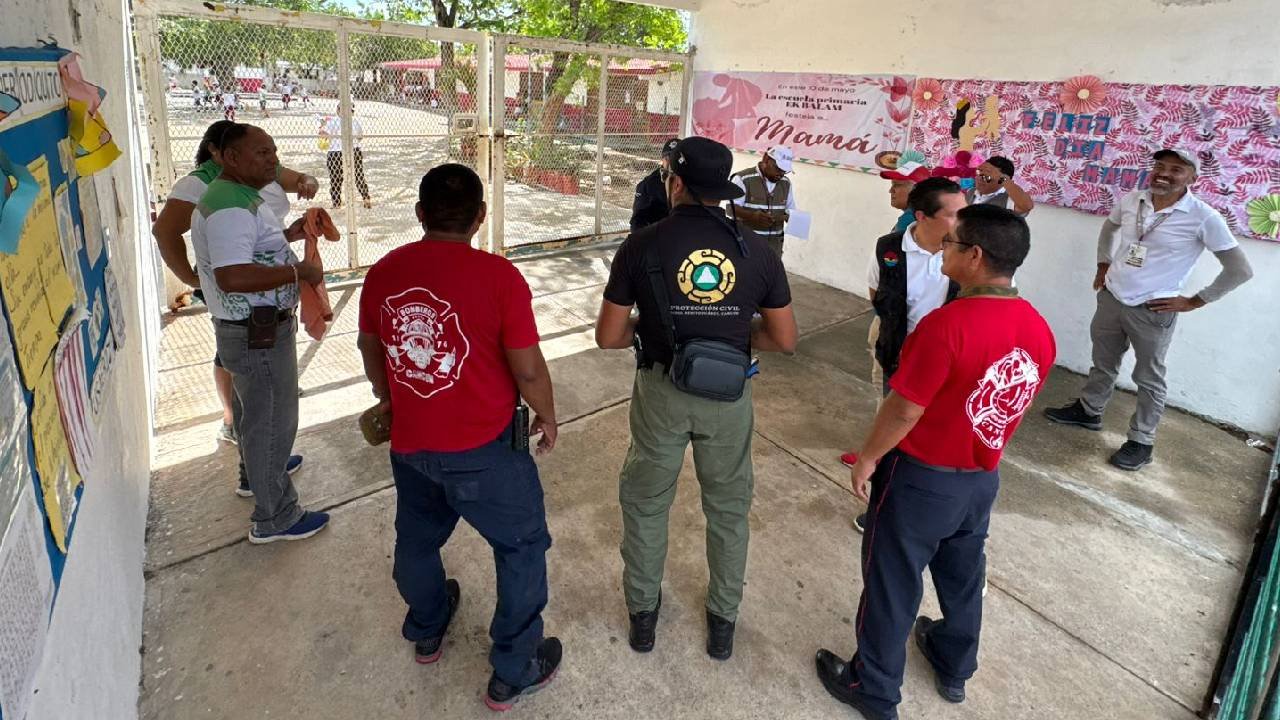
Cancún, Quintana Roo — With hurricane season approaching, authorities in Quintana Roo are scaling up preparations, activating a network of more than 800 temporary shelters across the state’s 11 municipalities. The move reflects both the region’s exposure to tropical systems and lessons learned from recent seasons that have tested evacuation and response capacity.
According to the state’s Civil Protection Coordination, Coordinación Estatal de Protección Civil de Quintana Roo (Coeproc), the shelters are fully operational and ready to receive evacuees if needed. Notably, at least 15 of these facilities have been designated as pet-friendly, allowing residents to evacuate without leaving animals behind—a growing priority in emergency planning.
Guillermo Núñez, director general of Civil Protection, said the inclusion of pets builds on a model introduced in previous years. “We provide food, care, and comprehensive support for families and their animals during emergencies,” he said, emphasizing that keeping families together improves compliance with evacuation orders.
A More Prepared System
The scale of the shelter network highlights the logistical challenge of protecting a fast-growing population. Quintana Roo has seen significant population increases over the past decade, particularly in municipalities like Cancún, Playa del Carmen, and Tulum, where tourism-driven growth has expanded both urban areas and vulnerable coastal communities.
Shelters are typically located in public schools, community centers, and government buildings that meet structural safety standards. Each is stocked with basic supplies, including water, food, medical kits, and sanitation facilities. Coordination involves multiple agencies, including health services, the military, and local governments.
Earlier Warnings, Faster Decisions
Officials say advances in meteorological forecasting are giving authorities more time to act. Mexico’s Servicio Meteorológico Nacional (SMN), along with international forecasting centers, can now provide up to seven days’ notice of potential storm development and trajectory.
That extended window allows for earlier activation of evacuation protocols, particularly in low-lying or flood-prone areas. Under Governor Mara Lezama Espinosa’s administration, authorities have pre-positioned command centers and established clearer chains of communication between state and municipal agencies.
However, officials caution that forecasts can shift quickly, and residents are still encouraged to monitor updates closely once a system enters the Caribbean.
A New Evacuation Option
One of the most notable additions this year is the Nichupté Vehicular Bridge, a long-anticipated infrastructure project connecting Cancún’s hotel zone to the mainland via the Nichupté lagoon system.
Civil Protection authorities say the bridge will play a critical role in emergency scenarios, providing an alternative evacuation route to the heavily congested Kukulcán Boulevard. In past storms, the reliance on a single access road has raised concerns about bottlenecks during large-scale evacuations.
Núñez said the bridge is expected to improve response times for emergency vehicles and allow for more efficient movement of residents and tourists out of high-risk areas.
Lessons From Recent Seasons
The emphasis on preparedness comes after several active hurricane seasons in the Atlantic basin. Storms such as Hurricane Delta and Hurricane Grace impacted Quintana Roo in recent years, prompting evacuations, infrastructure damage, and disruptions to tourism.
Those events exposed gaps in shelter capacity, communication, and evacuation logistics—issues authorities say have been addressed in the current plan.
A Shared Responsibility
While the infrastructure is in place, officials stress that preparedness ultimately depends on public participation. Residents are encouraged to identify their nearest shelter, prepare emergency kits, and have a plan in place well before a storm threatens the region.
The message from authorities remains consistent: the systems are stronger, the tools are better, but when it comes to hurricanes, readiness at the individual level is just as important as the state’s response.
With the 2026 season underway, Quintana Roo is positioning itself to respond more effectively—but as always, the real test will come when the first storm approaches.
More Environment
- Mexican Navy Opens Youth Photography Contest on Ocean Conservation
- WHO Warns El Niño Poses Major Global Health Threat
- Hurricane Polo Hits Category 5; Five Mexican States Brace for Heavy Rain
- Isla Mujeres Fishermen Face Grouper Shortage as Catch Barely Covers Local Demand
- Cancún Officials Urge Residents to Protect Pets After Reported Puma Sighting in Cuna Maya
More Quintana Roo
- Quintana Roo Congress Ranks Among Mexico’s Least Transparent
- Riviera Maya Business Groups Push to Block 35.8% Hike in Mexico’s Tourist Entry Fee
- Quintana Roo Climbs 12 Spots to 9th in Competitiveness Index
- Sargassum Collection in Quintana Roo Tops 133,000 Tons, Setting New Record
- Quintana Roo Courts European Airlines to Boost Winter Flights to Cancún