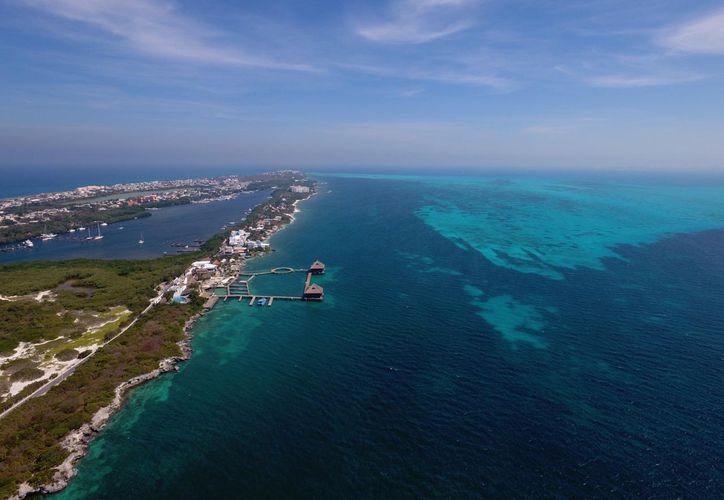
Cancun, Quintana Roo — The Cancun-Isla Mujeres Marine Protected Area (ANP) is facing a financial paradox: despite collecting more than 23 million pesos annually from visitor access fees, the park operates with a severe shortage of funds and personnel, leaving it vulnerable to mass tourism and illegal activities.
The park, which includes the Costa Occidental de Isla Mujeres, Punta Cancun, and Punta Nizuc National Park, has seen the mandatory access bracelet cost rise from 60 pesos in 2024 to 125 pesos in 2026. However, the federal government allocates only between 15 and 25 million pesos for annual operating expenses, and as little as 6 to 7 million when payroll is included.
“We analyze the fees collected and see we are generating 23 million pesos. The paradox is that if that money came back to us, we would be self-sufficient — not in the red, but in the black, with optimal equipment and human resources,” said Arturo González González, director of the Marine Park.
The funding gap directly impacts the park’s ability to protect its 12,989 hectares. The operational staff consists of just 17 people, with only 12 formally assigned to the national park. González noted that this means roughly one park ranger per 1.05 hectares, while the ideal would be at least 23 staff members to address all issues.
Equipment is also lacking: the park has only one boat, one jet ski, and four land vehicles. A single six-hour marine patrol requires at least 150 liters of fuel, costing over 3,000 pesos per day.
Illegal charters, known locally as “pirates,” have proliferated since the pandemic, exploiting the open geography of Cancun. Authorities estimate that 70% to 73% of visitors evade the mandatory fee, enjoying the reefs without paying. This has led to environmental damage, including anchor drops that harm seagrass and coral, and fish feeding by unauthorized operators.
“They use Isla Mujeres as their backyard, not respecting the management program, permitted nautical activities, or maritime authority rules. They drop anchor, damage seagrass, damage corals, and feed the fish,” González warned.
To cope, the park is focusing on participatory governance and alliances with local tourism cooperatives, the Mexican Navy (Semar), the Federal Environmental Protection Agency (Profepa), and community brigades, especially from Isla Mujeres.
More Tourism
- Hotels in Cancún and Puerto Morelos Restore Coastal Dunes With Native Plants
- Quintana Roo Gains Power to Inspect Tourism Service Providers
- Quintana Roo Hoteliers Urge Action to Protect Mexican Caribbean Tourism Competitiveness
- Dolphin Swims Continue in Puerto Aventuras as Cancún Dolphin Debate Simmers
- Tulum Airport International Traffic Plummets as Aeroméxico and Volaris Halt Flights
More Cancun
- Canada Arms Trafficking Suspect Arrested in Cancún
- Cancún to Repave 2.6 Kilometers of Avenida De los Colegios in January 2027
- Cancún Loses 20 Restaurants So Far This Year, Industry Group Says
- Quintana Roo Police Arrest Two Guatemalan Fugitives With Interpol Red Notices
- MOBI Adds 100 Hybrid Buses and Four New Routes to Expand Cancún Coverage