Playa del Carmen, Quintana Roo — After years of permits, pauses, speculation, and more than a few false starts, the long-discussed La Isla shopping center project is back in the public conversation in Playa del Carmen.
Mayor Estefanía Mercado confirmed the arrival of the new commercial and tourism development following a meeting with Charles El Mann, executive vice president of the developer Alux. Municipal officials say the project represents a significant private investment and is expected to generate more than 2,000 direct and indirect jobs in the municipality.
“Today we are proud to announce the arrival of La Isla shopping center to Playa del Carmen, an investment that represents development, economic growth and more than 2,000 new jobs for our people,” Mercado said.
The announcement is notable not only because of the size of the proposed project, but because La Isla Playa del Carmen is not a new idea. The project’s history dates back roughly 18 years, with early environmental filings and development plans appearing as far back as 2008 and 2009.
According to historical financial documents from Grupo GICSA, a developer previously linked to the project, La Isla Playa del Carmen was originally conceived as a commercial center with approximately 22,000 square meters of rentable space and an estimated investment of more than 827 million pesos. The plan was designed to serve not only Playa del Carmen, but the broader Riviera Maya market, stretching from Puerto Morelos to Tulum.
The original concept included restaurants, luxury stores, jewelry shops, family entertainment, cinemas, and retail spaces aimed at both national and international visitors. At the time, the project sought to take advantage of the region’s fast-growing tourism market and the tens of thousands of hotel rooms already operating along the Riviera Maya corridor.
But despite early momentum, the project repeatedly stalled.
In 2008, it was submitted for environmental public consultation under the name “Cambio de uso de suelo forestal en materia de impacto ambiental para la Plaza Comercial La Isla Playa del Carmen.” The project was promoted by Desarrollos Mayasur S.A. de C.V., a company linked to GICSA. A year later, Semarnat authorized the project with a 30-year term for a property in the area known as “La Gran Plaza de la Riviera Maya,” near the northern access to Playa del Carmen and the area known as “La Moneda.”
Even with that authorization, new administrative and environmental obstacles emerged in later years. By 2015, reports suggested Playa del Carmen might lose the project altogether due to issues related to subsequent environmental approvals. By 2016, La Isla Playa del Carmen had effectively disappeared from GICSA’s active investment pipeline as the company shifted attention to other commercial developments and entertainment-based concepts.
Now, under a new municipal administration, the project has resurfaced.
Mercado framed the announcement as evidence of renewed business confidence in Playa del Carmen and said the investment reflects the city’s growing strength as a destination for commerce, tourism, and private development.
“This is also a result of the work we have done to strengthen the security, order and stability of our city, creating conditions for more investments to continue coming to Playa del Carmen,” she said.
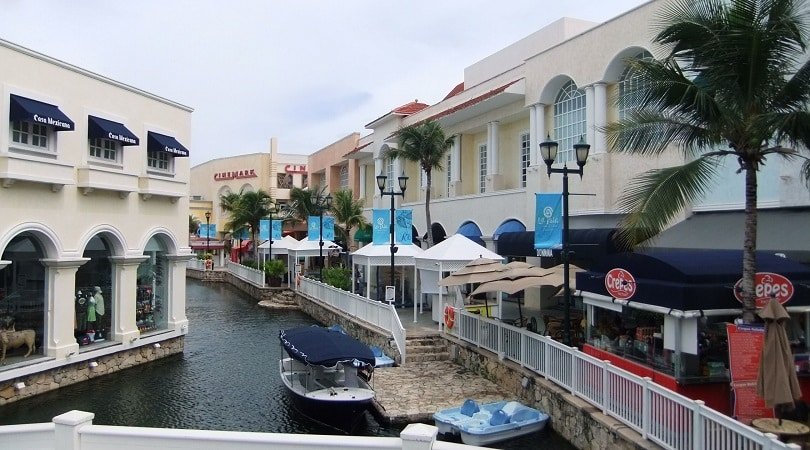
The La Isla brand is already familiar to many residents and visitors in Quintana Roo. La Isla Shopping Village in Cancún’s Hotel Zone is one of the region’s best-known open-air shopping and entertainment centers, with retail, restaurants, tourist services, and leisure attractions. However, officials have not yet released detailed plans for the Playa del Carmen version, so it remains unclear whether the project will follow a similar open-air, tourism-focused model or take a different shape for the local market.
The location, updated investment amount, construction timeline, tenant mix, project size, and current environmental or urban development approvals have not yet been publicly detailed. Those questions will matter, especially in a city already dealing with rapid growth, traffic congestion, pressure on utilities, parking shortages, and strained public services.
For supporters, La Isla could strengthen Playa del Carmen’s commercial offerings, create jobs, and reduce the need for residents to travel to Cancún for certain shopping, dining, or entertainment options. For investors, it reinforces Playa’s role as a regional hub serving tourists, residents, digital workers, second-home owners, and nearby communities from Puerto Aventuras to Puerto Morelos.
For residents, the reaction may be more measured. A large retail and entertainment complex can bring convenience and employment, but it can also become another traffic magnet if not carefully planned. After nearly two decades of uncertainty, many will be watching closely to see whether this new announcement becomes an active project or another chapter in La Isla’s long stop-and-start history.
If it does move forward, Plaza La Isla could become one of Playa del Carmen’s most important commercial developments in years, reshaping the city’s shopping and entertainment landscape while raising the familiar question that follows nearly every major project here: can the infrastructure keep up with the growth?
More Development
- Fonatur Weighs Options for Contested Malecón Tajamar Land in Cancún
- Pending Urban Development Plan Stalls Real Estate Growth in Cruz de Servicios, Playa del Carmen
- Developer Proposes 425-Hectare Resort With Artificial Beach North of Playa del Carmen
- Tulum Rethinks Real Estate Growth Over Risks to the Great Maya Aquifer
- Quintana Roo Warns Against Unchecked Hotel Growth as It Courts Brazil and Colombia
More Playa del Carmen
- Playa del Carmen Takes Artisans to Guanajuato Day of the Dead Festival
- Playa del Carmen to Renew Eight Blue Flag Beach Certifications, Eyes Two More
- 20 Community Tourism Projects in Quintana Roo Seek to Formalize Their Operations
- Quintana Roo Development Agency Inherits Labor Disputes from Defunct Derimaya
- New Power Outage Leaves Several Playa del Carmen Neighborhoods Without Electricity