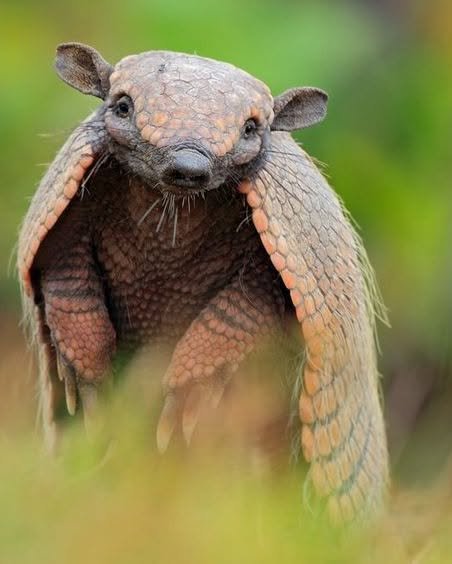
José María Morelos, Quintana Roo — Armadillo sightings are falling across the Maya zone, according to local residents and farm workers who say the animals are becoming increasingly scarce in areas where they were once common.
The apparent decline has raised concerns about the health of local ecosystems. Armadillos play a key role in natural environments by digging for food, which helps aerate the soil and recycle nutrients.
Residents of rural communities attribute the drop to the transformation of natural landscapes, loss of vegetation, and expanding human activity, all of which shrink the habitat available to wildlife. Animals also face additional risks when they venture near roads and populated areas.
The dwindling number of sightings is being viewed as an early warning sign. When a species becomes less frequent in areas where it historically thrived, it may indicate changes in habitat quality, food availability, or pressure on the environment.
Conservationists and community members say stronger protection of natural areas is needed, along with local practices that reduce harm to wildlife. Preserving species like the armadillo depends on maintaining natural corridors and preventing degradation of the places where they find shelter and food.
The situation has renewed calls to safeguard biodiversity in the Maya zone, where the gradual loss of species could signal broader ecological damage and the erosion of Quintana Roo’s natural heritage.
More Environment
- Judge Halts Trump Border Barrier in Big Bend National Park
- US Coast Guard Seizes Cargo Ship Accused of Smuggling Fuel to Cuba
- Playa del Carmen to Renew Eight Blue Flag Beach Certifications, Eyes Two More
- Cancún Sets October Dates for Free Dog and Cat Sterilization Clinics
- Sargassum Influx Triggers Two Types of Wildlife Die-Offs in Quintana Roo
More Zona Maya
- Quintana Roo Opens 2026 Poetry Contest for Indigenous and Afro-Mexican Girls
- Drought Damages Farmland in Felipe Carrillo Puerto as Quintana Roo Assesses Losses
- Aluxes Endure in the Beliefs of Maya Communities in Quintana Roo
- Search Operation for Missing People Deployed in Felipe Carrillo Puerto
- Mothers of Missing Children Ask Quintana Roo to Display Their Faces on Public Transport