
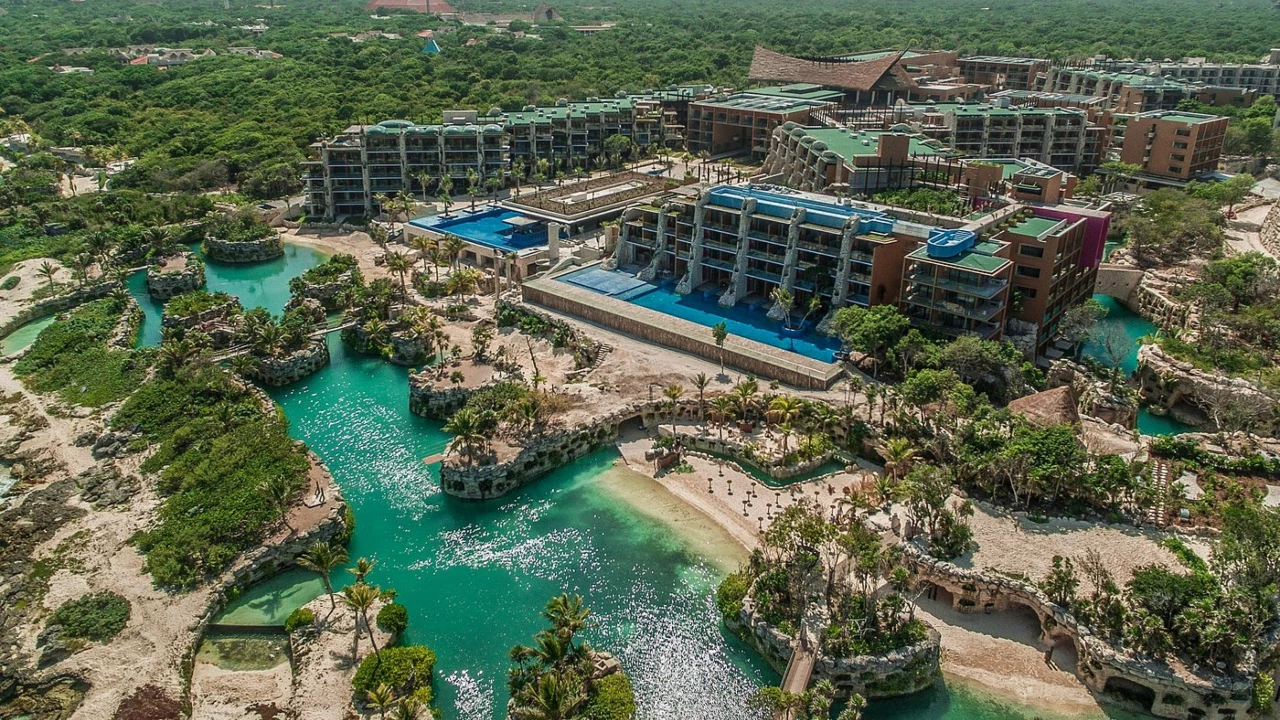
Mexico City — Mexico’s Supreme Court has sanctioned the Xcaret tourism group for commercial use of Maya cultural symbols, sparking a national debate about who can use indigenous imagery and under what circumstances.
The court’s ruling establishes that indigenous cultural heritage belongs to communities collectively, not to individuals or organizations, and requires collective, free, and informed consent for its use. This decision comes under the Federal Law for the Protection of the Cultural Heritage of Indigenous and Afro-Mexican Peoples and Communities.
The case began in 2022 when the National Copyright Institute ordered Xcaret to remove advertising featuring Maya cultural elements. The company argued it had approval from the Gran Consejo Maya de Quintana Roo, but the court determined this was insufficient.
Economic Impact on Tourism
The ruling carries significant economic implications for one of southeast Mexico’s largest tourism conglomerates. Xcaret’s business model is closely tied to representations of Maya culture.
In 2023, the group and the Gran Consejo Maya reached an agreement authorizing respectful use of symbols and traditions in theme parks, sealed with a 15 million peso payment and recognized by Quintana Roo state law. However, the court found the council lacked legitimate representation and prioritized cultural heritage over private interests.
The National Tourism Business Council warned such rulings could affect investments and limit cultural promotion strategies.
Government Use of Indigenous Culture
The decision raises questions about government use of indigenous symbols. In February 2026, new ministers wore Tenejapa, Chiapas ceremonial garments during an off-site session, presented as “cultural recovery.”
Anthropologists and sociologists note the state positions itself as cultural guardian while penalizing private use as exploitation. Officials frequently wear traditional garments like huipiles and embroidered guayaberas in public events as part of narratives about closeness to indigenous peoples.
Megaprojects and Political Symbolism
Critics point to projects like the Maya Train, where indigenous identity forms the official narrative despite many communities not being consulted. The ceremonial staff, representing spiritual authority recognition, has been presented since President López Obrador’s administration, though indigenous organizations warn against political use of such symbols.
The ruling leaves unresolved whether protection truly benefits indigenous communities or concentrates control over their cultural expressions.
More Business
- Cozumel to Get First Direct Flight From Europe With New Milan Route
- Cancún Airport Tops 400 Daily Flights for First Time Since August
- Quintana Roo Urges Homebuyers to Verify Property Records Before Buying
- Maya Ka’an Named Among National Geographic’s 25 Best Destinations for 2027
- Quintana Roo Eyes ‘Set-Jetting’ Boom as Expedia Report Links Film Exposure to Bookings
More Quintana Roo
- Call to Scrap Visitax Puts Quintana Roo’s Tourist Fee Under Scrutiny
- Caribbean Hoteliers Ask Mexico to Earmark 28% of Non-Resident Fee for Tourism Promotion
- Belize Tightens Río Hondo Border Patrols, Presses Mexico on Maya Train Extension
- Women’s Groups Demand Purge of Quintana Roo Police Forces Over Abuse and Criminal Ties
- Aquaponics Congress in Riviera Maya Takes Aim at Quintana Roo’s Food Dependence
