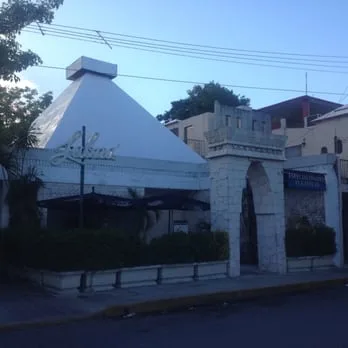
Cancún, Quintana Roo — The historic Labná restaurant, a landmark for Yucatecan cuisine in Cancún’s Parque de las Palapas, has quietly been replaced by a convenience store, marking the end of an era for the iconic space.
Where panuchos, salbutes, and cochinita pibil were once served, shelves and quick-consumption products now dominate. Only a wall with an archaeological replica remains as a vestige of what was for years a gathering point for locals and tourists in the heart of the city.
Labná was not just a restaurant but part of the park’s cultural identity, a site connecting daily life with the region’s culinary roots. Its closure, which dates back years, left a silent mark that has become more evident with the space’s transformation.
Even its social media reflects this abandonment: its last post dates from April 2019, like a time capsule frozen in time that recalls the activity it once had.
The arrival of a convenience store reopens the debate about the direction of urban and commercial development in Cancún, where more traditional spaces are giving way to more profitable and standardized business models.
For some, this represents a natural evolution of the city; for others, it’s a loss of identity that erases part of the collective memory. Meanwhile, Parque de las Palapas continues to transform, caught between modernity and nostalgia for what once was.
More Business
- Supreme Court Reopens Mahahual Case Against Royal Caribbean
- Cozumel Triathlon Draws 350 Athletes and 13 Million Pesos in Tourism Spending
- Tourist Boat Traffic Slumps Across Quintana Roo Ports in September
- Mexico Tourism Secretary Acknowledges Tulum Crisis but Warns Alarmist Posts Deepen the Damage
- IMSS Raises Wage Increase to 8% After Workers Reject Initial Offer
More Cancun
- Hells Angels Leader Arrested in Cancun Over Cartel Drug Trade
- Cancún Waives 100% of Fines and Surcharges to Help Businesses Get Licensed
- Puerto Morelos Mayor Says Cancún Mansion Raided by Federal Agents Was ‘Lent’ to Her
- Mothers Keep Up Protest at Cancún Middle School Over Alleged Attack on Student
- Moderna COVID-19 Vaccine to Be Offered to Children in Cancún
