
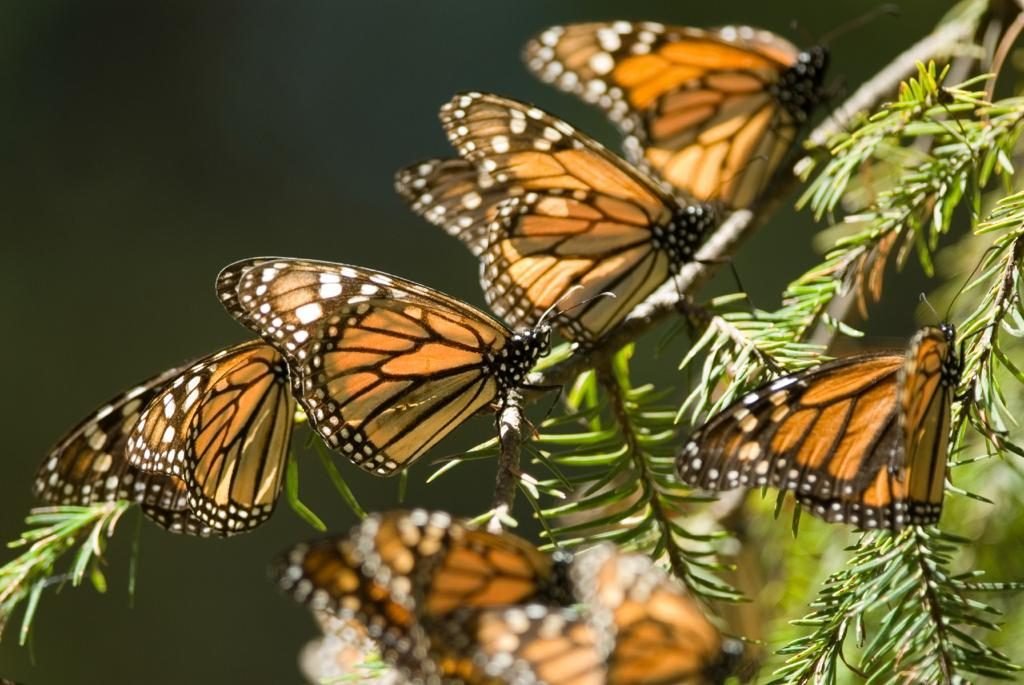
Cozumel, Quintana Roo — The island of Cozumel will inaugurate its first municipal pollinator garden this weekend, an initiative focused on protecting monarch butterflies and fostering environmental awareness among local families.
Judith Argüelles, the municipal ecology subdirector, announced that the event will take place on Saturday, April 4, at 10 a.m. on Félix González Avenue between Juárez and 3 Sur. The project forms part of a broader push led by Mayor José Luis Chacón to strengthen community participation in environmental protection and sustainability efforts across the island.
The garden will include the planting of approximately 80 Curassavica shrubs (Asclepias curassavica), commonly known as tropical milkweed. This plant is essential for monarch butterflies, as it serves as both a food source for caterpillars and a nectar source for adult butterflies. Argüelles noted that the Alas Mayas organization recorded the first monarch butterfly sighting on the island in January, where the species’ full life cycle—from egg to caterpillar to adult—was successfully observed and documented.
That finding is significant.
Monarch butterflies (Danaus plexippus) are known for one of the most remarkable migrations in the natural world, traveling thousands of kilometers each year between Canada, the United States, and central Mexico. Most overwinter in the high-altitude forests of states like Michoacán and the State of Mexico, where they cluster in massive colonies. Their presence in Cozumel suggests that the island may serve as a secondary habitat or stopover, or even a potential breeding ground under the right conditions.
Across Mexico, monarch populations have faced increasing pressure due to habitat loss, climate change, pesticide use, and the decline of native milkweed species. National conservation efforts—led by government agencies and organizations such as CONANP—focus heavily on protecting overwintering forests. However, equally important are local initiatives like pollinator gardens, which help rebuild fragmented habitats along migration routes and in emerging regions like the Caribbean coast.
Curassavica is protected under Mexico’s NOM-059-SEMARNAT due to its ecological importance. Beyond monarchs, it supports a wide range of pollinators including bees, hummingbirds, ants, and other butterfly species, all of which play a critical role in maintaining biodiversity and food systems.
Pollinator gardens themselves are a simple but increasingly important conservation tool. By planting native or pollinator-friendly species, these spaces provide food, shelter, and breeding grounds in urban and semi-urban environments where natural habitat has been reduced. They also serve an educational purpose, helping communities—especially children—understand the direct connection between plants, insects, and healthy ecosystems.
In Cozumel, where tourism development continues to shape the landscape, small-scale projects like this offer a way to balance growth with environmental stewardship. Creating pockets of habitat within the urban environment can have an outsized impact, particularly for migratory species.
The inauguration event is open to the public, with officials encouraging families, youth, and residents to participate. Attendees are advised to wear comfortable clothing, bring water, and use sun protection such as hats or caps. Municipal staff will assist with the planting process.
While modest in scale, the project represents a meaningful step. If successful, it could serve as a model for additional pollinator corridors across the island—helping ensure that monarch butterflies and other species continue to find refuge in places where, until recently, they were rarely seen.
