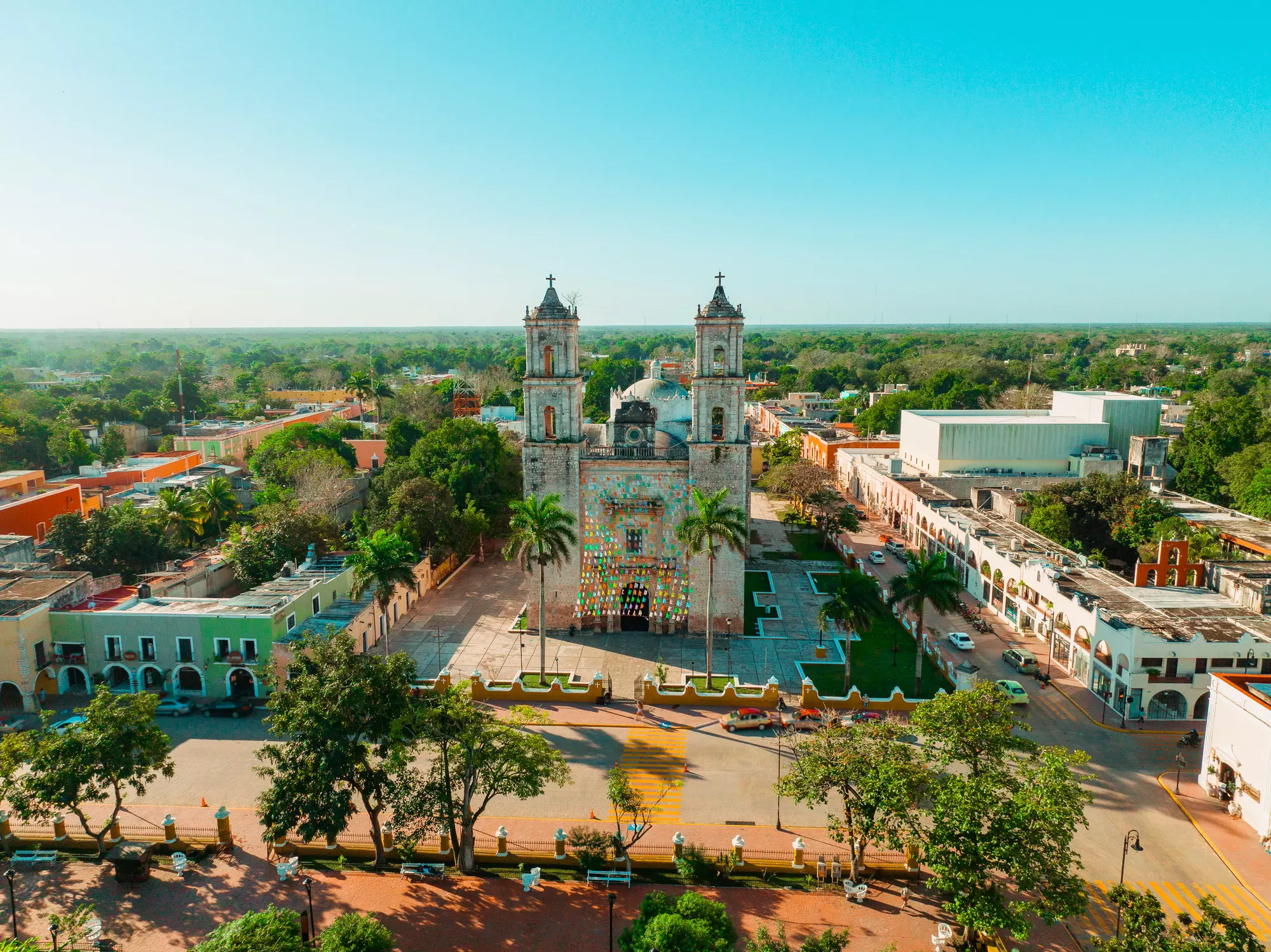
Valladolid, Yucatan — The colonial city of Valladolid is positioning itself as a premier destination in Mexico’s southeast, capitalizing on its cultural wealth, strategic location within the Maya World, and a growing array of experiences blending history, nature, and living traditions.
Victor Sanchez Gonzalez, president of the Valladolid Hotels and Hostels Association, said the city enjoys a privileged position near major archaeological sites such as Chichen Itza, Ek Balam, and Tulum, and is surrounded by communities that preserve a valuable Maya heritage.
He noted that regional tourism development must include not only the municipal seat but also nearby villages that offer unique cultural and spiritual attractions. Among them, he highlighted Xocen, considered by local tradition as the center of the Maya world and known for the mysticism surrounding its history and legends.
Maya Communities: A Bet to Diversify Offerings
Sanchez Gonzalez explained that current tourist interest increasingly leans toward authentic experiences in local communities — a segment where Valladolid has ample growth opportunities.
He said towns like Xocen offer a combination of cultural heritage, ancestral traditions, and stories that spark the interest of domestic and international visitors, complementing the traditional offerings based on archaeological sites and natural attractions.
“It’s no longer just about learning about the culture, but about living experiences linked to the mysticism and pre-Hispanic roots of the region,” he said.
Cancun as Gateway for Visitors
The hotel representative underscored the importance of Cancun as the main tourist gateway to the Yucatan Peninsula. He said the flow of millions of travelers arriving through its airport directly benefits Valladolid, especially due to its proximity to Chichen Itza.
He explained that many tourists make brief visits to the city during their tours of the region, allowing them to see its colonial appeal, safety, and hospitality, encouraging future trips with longer stays.
“When visitors see an organized, beautiful city with its own identity, they want to come back,” he commented.
Over 1,200 Rooms for All Segments
In terms of infrastructure, Valladolid offers a diverse range of accommodations, including boutique hotels, colonial establishments, rustic options, and higher-category complexes.
According to Sanchez Gonzalez, the destination has more than 1,200 hotel rooms capable of serving different traveler profiles and budgets. This variety has allowed the city to respond to growing tourism demand without losing the traditional character that distinguishes it.
Growing Without Losing Its Essence
The association president acknowledged that Valladolid has often been compared to San Miguel de Allende for its architecture, atmosphere, and tourist appeal. However, he maintained that the Yucatan city possesses unique differentiating elements, particularly its cenotes and its close relationship with Maya culture.
He also highlighted the international recognition recently received by the Pueblo Magico’s gastronomic experience, the result of joint work between authorities and the private sector.
Nevertheless, he warned that the main challenge is preserving local identity amid globalization and urban growth. To that end, he considered it essential to protect the Maya language, traditions, gastronomy, crafts, colonial architecture, and city planning.
“We have to take care of our values, our culture, and our communities to maintain the essence that tourists seek and that makes Valladolid special,” he emphasized.
More Tourism
- Culture Ministry Plans Return of Papantla Flyers to Tulum
- 40-Hour Workweek in 2027 Will Speed Up Robots and AI in Hotels, IMEF Says
- US Expands Visa Restrictions Targeting Birth Tourism
- Bacalar Aims to Show the World Its Appeal Goes Beyond the Lagoon
- Crews Begin Removing 14 Sunken Boats From Cancun’s Nichupte Lagoon
More Zona Maya
- Community Tourism Brings Income to Sacalaca With Small Groups and Cenote Protection
- Felipe Carrillo Puerto Weighs Access Fee for Puerta al Mar
- Mayan Seeds in Quintana Roo Studied for Nutrition and Diabetes Potential
- Contemporary Maya Sculpture Installed in Sacalaca Cenote to Draw Community Tourism
- Farm and Cattle Expansion in Quintana Roo Squeezes Native Wild Bees