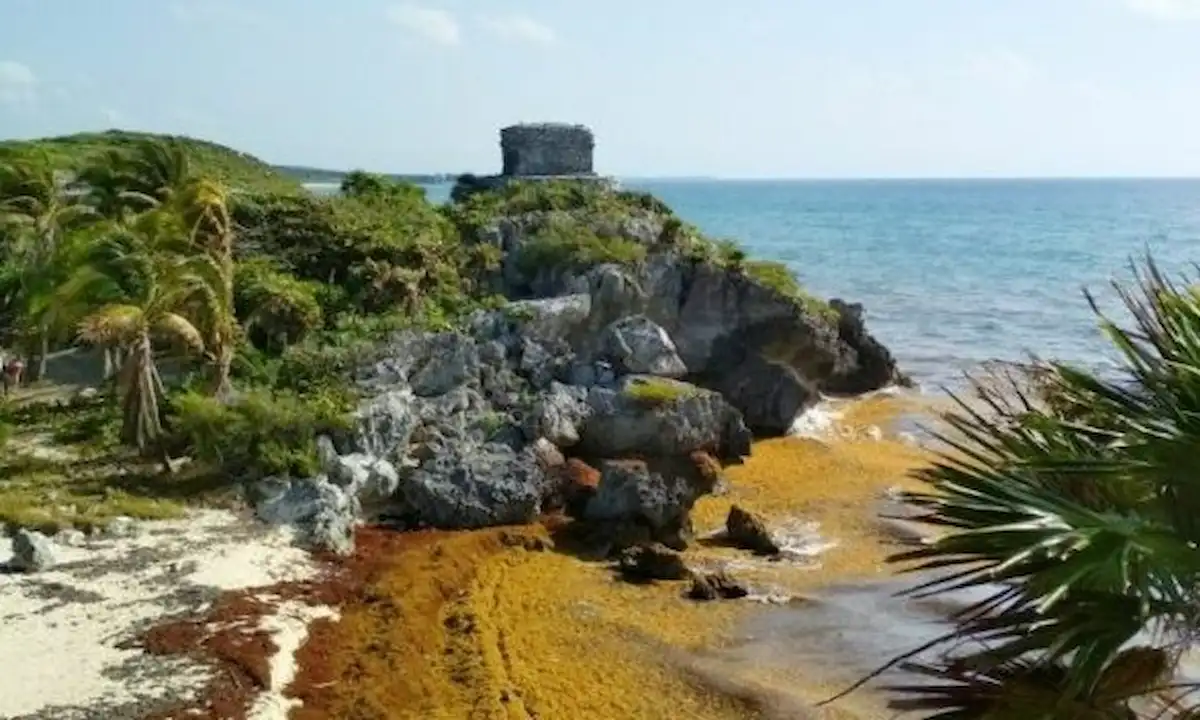
Cancún, Quintana Roo — Tulum is paying a heavy price for years of excess, abuse and poor decision-making, with the resort town now mired in its worst economic crisis of the season. Several hotels have temporarily closed as the destination struggles to revive ahead of winter, while the region’s famed archaeological zone — Mexico’s second-biggest draw for international visitors — lost more than 185,000 visitors in the first half of the year.
According to the Quintana Roo Tourism Information System (Situr-Q), attendance at the archaeological site fell 29.6 percent. The drop is partly attributable to fewer tourists reaching the region as airlines cut seats, but local officials and business owners also point to a string of self-inflicted problems: disputes over access to the ruins, excessive entry fees and rules imposed by the Defense Department, which had taken charge of El Jaguar Park. Transport abuses and other complaints compounded the damage.
A federal rescue plan has since corrected some of those issues, but it arrived too late to prevent Tulum from becoming the first destination in Quintana Roo to openly switch to seasonal operations this fall. The restaurant sector has been hit especially hard. Although local business groups are working to form a chapter of Canirac, the national restaurant industry chamber, dozens of establishments that failed to survive the first-half crisis have closed, and those still open are facing their steepest losses yet.
Shopkeepers and other tourism service providers describe the year as extremely difficult. Even with the federal reactivation plan in place, many say they do not expect meaningful results until winter. Hoteliers, meanwhile, report that winter bookings are starting to move, but only from November onward, leaving the coming weeks particularly challenging.
The region’s ongoing sargassum seaweed problem has further tarnished Tulum’s image, a reputation hit that has been building for two years. Once a destination falls out of favor, industry observers say, it is very hard to bring it back. For now, the archaeological zone — Tulum’s main attraction — continues to feel the steep drop in visitors, and the slump is hurting the entire community that depends on tourism for its livelihood.
More Tourism
- Puerto Morelos launches weekly sargassum watch until 2026
- Supreme Court Reopens Mahahual Case Against Royal Caribbean
- Cozumel Triathlon Draws 350 Athletes and 13 Million Pesos in Tourism Spending
- Quintana Roo Governor Invites Families to First Janal Pixán Festival in Calderitas
- Tourist Boat Traffic Slumps Across Quintana Roo Ports in September
More Tulum
- Mexico Tourism Secretary Acknowledges Tulum Crisis but Warns Alarmist Posts Deepen the Damage
- Tulum Shops Pin Hopes on Halloween and Day of the Dead for 70% Sales Boost
- Tulum Municipal Workers Protest Alleged Pay Deductions of Up to 1,500 Pesos
- Tulum to Host Xibalba MTB Challenge 2026 on November 1
- Uber Begins Operating in Playa del Carmen and Tulum With First-Ride Discounts and Taxi Driver Recruitment