Mexico City — Meteorologists are warning that a powerful El Niño event could develop in the coming months, potentially bringing extreme weather to Mexico and other parts of the world.
According to projections from the National Oceanic and Atmospheric Administration (NOAA), there is a high probability that a so-called “super El Niño” will form between May and July 2026. Climate models suggest its effects could last through much of the next winter season, from December 2026 to February 2027.
Although “super El Niño” is not an official meteorological classification, experts say current conditions point to an event of moderate to high intensity that could disrupt weather patterns globally.
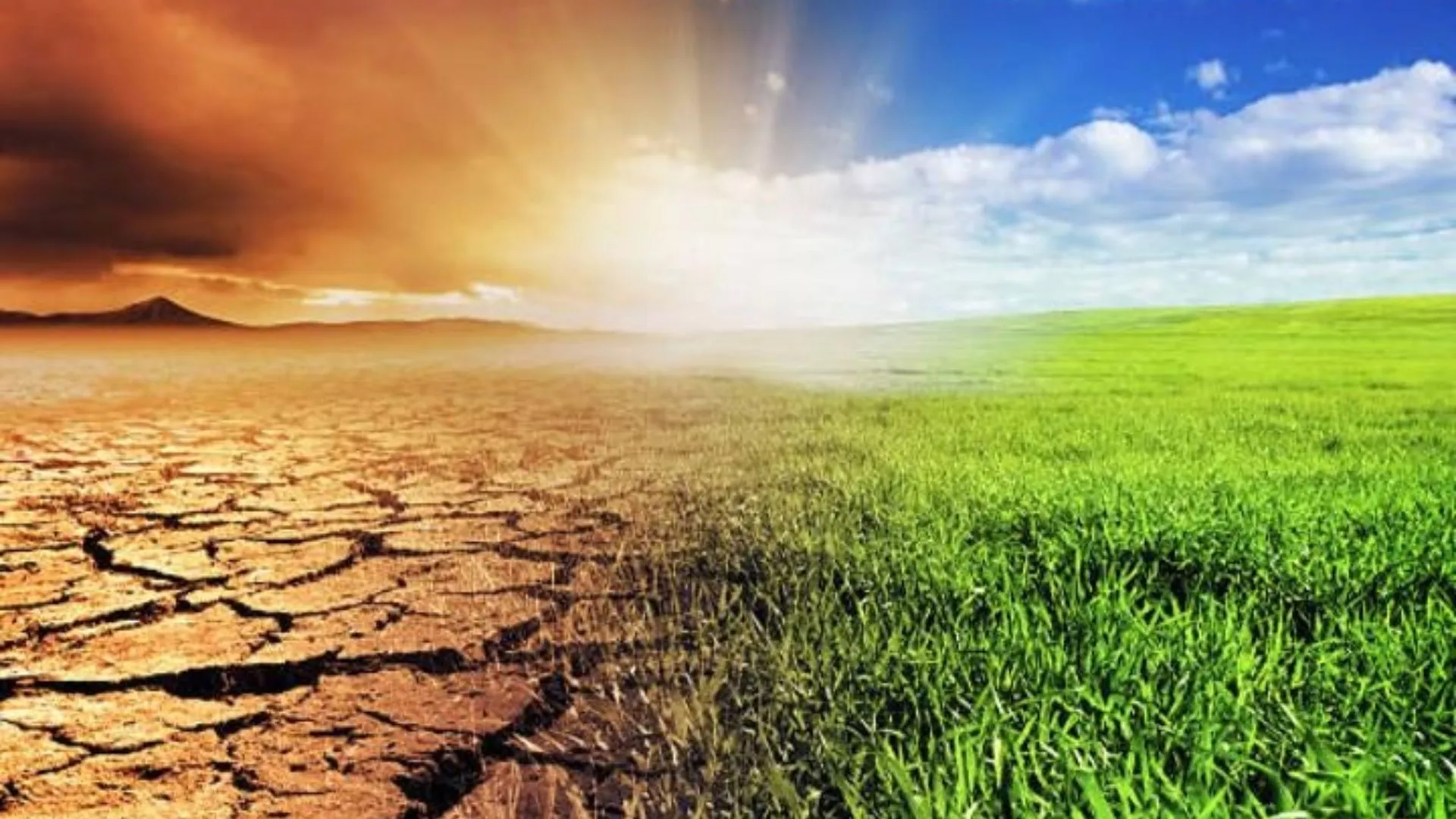
El Niño is characterized by warming sea surface temperatures in the Pacific Ocean, which can alter rainfall, drought, and tropical storm patterns. Depending on the region, it can bring heavy precipitation or prolonged dry spells.
Researchers at the National Autonomous University of Mexico (UNAM) said one of the main effects for Mexico could be a more active hurricane season in the Pacific Ocean. Estimates suggest 18 to 21 cyclonic systems could develop in that basin, above historical averages. Some could reach Category 4 or 5 intensity.
Christian Domínguez Sarmiento, a specialist at UNAM’s Institute of Atmospheric Sciences and Climate Change, said the Atlantic is expected to see 11 to 15 tropical cyclones, close to the historical average.
Domínguez noted that the risk from these storms is not solely about wind speed. The most severe damage often comes from heavy rainfall and flooding, which can cause rivers to overflow and damage communities far from where a cyclone makes landfall. In mountainous areas, saturated soil could trigger landslides.
Another hazard associated with intense tropical systems is abnormal sea level rise, which can generate strong waves that penetrate coastal zones and destroy infrastructure.
UNAM researcher Jorge Zabala Hidalgo warned that a strong El Niño could also influence other climate patterns in Mexico, such as prolonged droughts or shifts in rainfall, especially in central and northern regions where extreme events may increase.
Francisco Estrada Porrúa, another UNAM specialist, said El Niño could accelerate the intensification of natural phenomena and urged the public to stay prepared.
The World Meteorological Organization noted in its latest report that global warming has already impacted Latin America, with 2025 ranking among the fifth to eighth warmest years on record. 2026 could surpass those figures.
More Lifestyle
- Biometric CURP in Quintana Roo: Where to Apply, What to Bring and Whether It’s Mandatory
- Puerto Morelos to Host Mar de Almas Janal Pixan Festival for Day of the Dead
- Heavy Rain and High Heat Forecast Across Quintana Roo on Friday
- Mexico’s Senate Approves Animal Welfare Law With Fines up to 229,000 Pesos
- Yucatán Congress Repeals HIV ‘Danger of Contagion’ Crime