
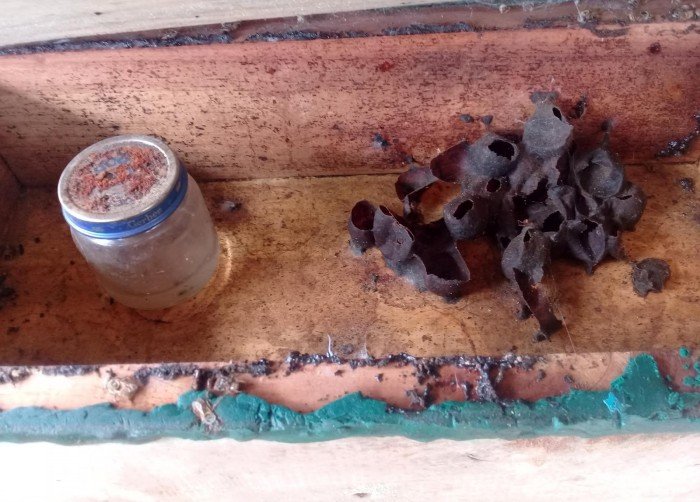
Cancún, Quintana Roo — Honey from the native melipona bee, produced across Quintana Roo’s Maya Corridor, is being positioned for a protection that aims to safeguard its authenticity, block imitations and restore value to an ancestral practice kept alive by Maya communities.
The effort rests on two years of documentary research and fieldwork with producers, whose results were assembled into the technical studies and rules of use filed with the Mexican Institute of Industrial Property (IMPI) in support of a geographical indication.
Pedro Moncada Jiménez, director of the Interinstitutional Center for Applied Research at Universidad del Caribe and a winner of the State Tourism Award, said the academic team helped draft the documents required to justify the designation, a mechanism that recognizes products tied to the traits and traditions of a specific region.
Three Municipalities Documented
Moncada Jiménez said the first phase of the project concluded on May 18, 2026. The documented territory covers the municipalities of Felipe Carrillo Puerto, Tulum and José María Morelos, where meliponiculture forms part of the productive and cultural practices handed down between generations.
To build the case, the team reviewed historical records on melipona beekeeping, including references in the Madrid Codex, and held participatory workshops with producers in local communities. Researchers also documented handling practices, production characteristics and the areas where the activity is concentrated, giving the requested recognition a territorial basis.
Speaking to Radio Fórmula, Moncada Jiménez noted that melipona honey has distinctive qualities because it comes from a native bee smaller than the European honeybee, a trait that limits production volumes. Beyond its use as a food and sweetener, the honey goes into soaps, shampoos and other personal care products, as well as preparations sold for their traditional properties.
Bees as Ecosystem Indicators
The research also traced the link between production and environmental conditions. Moncada Jiménez said bees act as indicators of ecosystem health, since their populations can suffer when flowers grow scarce, fertilizers spread or other changes alter their surroundings. Protecting the melipona therefore carries environmental stakes alongside economic and cultural ones.
The specialist warned that sustaining the activity requires preserving the natural conditions that make it possible. The availability of flowering plants shapes the characteristics of the honey, while ecosystem decline can undermine both bee populations and the continuity of production.
A further goal is to draw younger generations into meliponiculture. Moncada Jiménez argued that keeping the tradition alive depends on communities recognizing its cultural and productive value, and on producers finding markets for their goods and earning a return.
The geographical indication, in that sense, offers a tool to distinguish Maya Corridor honey from Quintana Roo and reinforce its regional identity. How far the protection reaches, and what it delivers, will depend on the terms set in the registration and on producers and authorities maintaining conservation, traceability and responsible harvesting practices.
More Culture
- Playa del Carmen Prepares Third Janal Pixán Festival With 300 Artists and Two Parades
- Cozumel’s Museum of the Island Hosts Day of the Dead Festival ‘Tradition, Light and Reunion’
- Tulum Shops Pin Hopes on Halloween and Day of the Dead for 70% Sales Boost
- Isla Mujeres Ready for Luz y Vida 2026 Festival With Free Pandora Concert
- Hanal Pixán 2026 in Puerto Juárez: Four Days of Maya Day of the Dead Traditions
More Zona Maya
- Man Sentenced to 108 Years for Raping and Sexually Abusing His Three Stepdaughters
- Artists Plan Night Festival to Revive Mayan Legends in José María Morelos
- Quintana Roo Youth Institute Seeks 13 Million Peso Budget Boost for Scholarships
- Five Ejidos Seek Alliance to Protect Chichankanab Lagoon in José María Morelos
- Maya Frog and Toad Shell Pendants May Reveal Ancient Trade Routes
