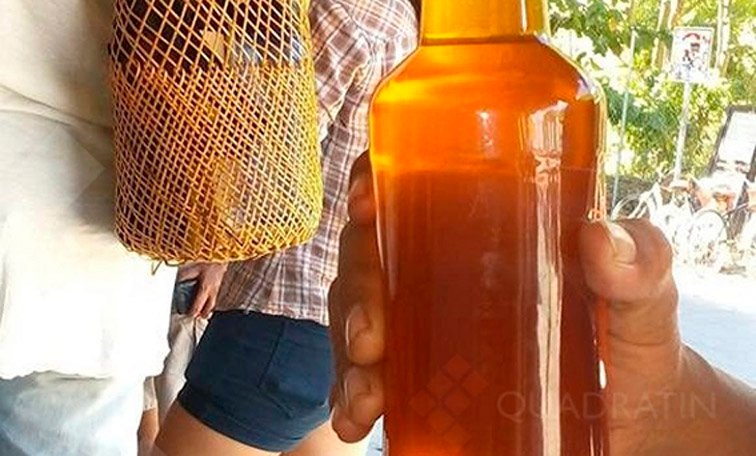
Cancún, Quintana Roo — Mexico has granted official protection to melipona honey, a sacred product of Maya culture, through a Geographical Indication declaration that safeguards its origin, authenticity, and traditional production methods in the Maya zone of Quintana Roo.
The declaration, published May 12 in the Official Gazette of the Federation by the Mexican Institute of Industrial Property (IMPI), protects the product officially named “Miel de Abeja Melipona del Corredor de la Zona Maya de Quintana Roo.”
Melipona honey comes from stingless bees known as “sacred Maya bees,” which are docile and lack a functional stinger. Beekeepers extract the honey from artisanal hives called jobones, made from hollowed logs. The protected geographical area covers the municipalities of Felipe Carrillo Puerto, José María Morelos, and Tulum, where Maya communities maintain traditional stingless beekeeping, primarily of the species Melipona beecheii, known in the Maya language as xunán kab.
Beyond its use as food, melipona honey has been used since pre-Hispanic times in traditional Maya medicine to treat respiratory ailments, digestive problems, and eye conditions, as well as for its healing and antibacterial properties. Due to limited production and artisanal processing, the honey can fetch prices exceeding 1,000 pesos (about $55) per liter in specialty markets.
A single melipona hive produces only one to two liters of honey per year, compared with up to 30 kilograms from a European honeybee hive, making it scarce and highly valued. The protection aims to strengthen the economy of Maya producers and preserve an ancestral practice that has declined over the years.
The tradition carries deep cultural significance: Maya communities have considered the stingless bee a sacred insect linked to medicine, food, and spiritual ceremonies since pre-Hispanic times.
More Lifestyle
- Cozumel Beach Club Injury: New Reports Identify Worker, but Crocodile Link Remains Unconfirmed
- Back-to-School Costs Push Mexico’s Inflation to 3.42% in Early September
- La BAMBA Festival in Playa del Carmen Closes Ninth Edition With Six-Hour Concert
- Social Run Brings 3, 5 and 10K Routes to Cancún’s Nichupté Bridge
- Playa del Carmen Weighs Bike and Scooter Registration, QR Tags and Insurance
More Zona Maya
- Community Tourism Brings Income to Sacalaca With Small Groups and Cenote Protection
- Felipe Carrillo Puerto Weighs Access Fee for Puerta al Mar
- Mayan Seeds in Quintana Roo Studied for Nutrition and Diabetes Potential
- Contemporary Maya Sculpture Installed in Sacalaca Cenote to Draw Community Tourism
- Farm and Cattle Expansion in Quintana Roo Squeezes Native Wild Bees