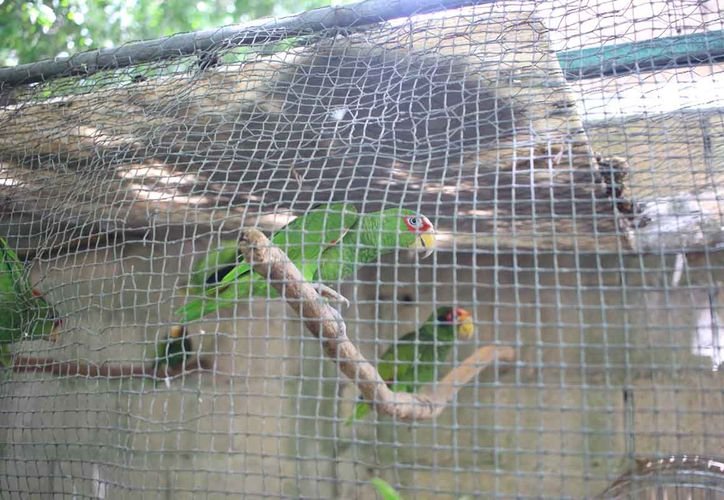
Cancún, Quintana Roo — Urban development has displaced endemic birds in northern Quintana Roo, a region that now accounts for about 250 wildlife rescues per year — roughly half of Mexico’s 540 bird species, according to conservation group Fauna Digna.
In 2025 and continuing into 2026, the group estimates that wildlife rescues in the state have surpassed 250, reflecting a steady increase from previous years. In 2024, the group recorded about 120 rescues annually.
Alberto Charles Saldívar, president of Fauna Digna, said the lack of urban planning that fails to account for safe animal passage through cities has reduced populations of various endemic bird species in Cancún.
Species such as frigatebirds, pelicans, parrots, and gulls are among the most affected, but the white-fronted parrot (Amazona albifrons) accounts for 80% of cases received.
Most rescues occur in Cancún and Playa del Carmen, but reports have grown notably in areas like Puerto Morelos, where urban expansion has been most aggressive in recent years.
Birds frequently collide with glass windows, power lines, and other structures not designed with wildlife passage in mind. “Birds cannot identify window glass and crash into it; they also cannot avoid a fast-moving car on an avenue,” Charles said. He stressed the urgency of reforesting urban areas to protect the species.
According to the citizen science platform iNaturalist, more than 540 bird species have been documented in Quintana Roo, making the state a key pillar of Mexico’s biodiversity. Of these, at least 15 species are endemic to the Yucatan Peninsula and are regularly present in the state, including the white-fronted parrot, the Yucatan jay, the Cozumel emerald hummingbird, and the black catbird.
iNaturalist records reinforce Fauna Digna’s concerns, as many sightings of these species occur in areas facing rapid habitat fragmentation. In 2026, the platform shows a growing trend in citizen reports of encounters with these birds in urban areas of northern Quintana Roo, confirming that birds are being forced to interact with human infrastructure as their biological corridors disappear.
The database also shows that, besides the white-fronted parrot, other protected species are appearing more frequently in reports of accidental encounters, highlighting the need to integrate citizen observation data into regional urban development policies.
More Cancun
- Cancún Bus Route 26 Users Report Long Waits as Fewer Buses Run
- ASUR Expands US Presence With $295 Million Airport Commercial Deal
- Cancún Approves 5 A.M. Closing Time for Bars in Tourist Zone
- Cancún Adds New Air Routes and Restores Connections with the US and Canada
- Federal Agents Arrest Cancún Tourist Police Coordinator Erik Gutiérrez Cossío