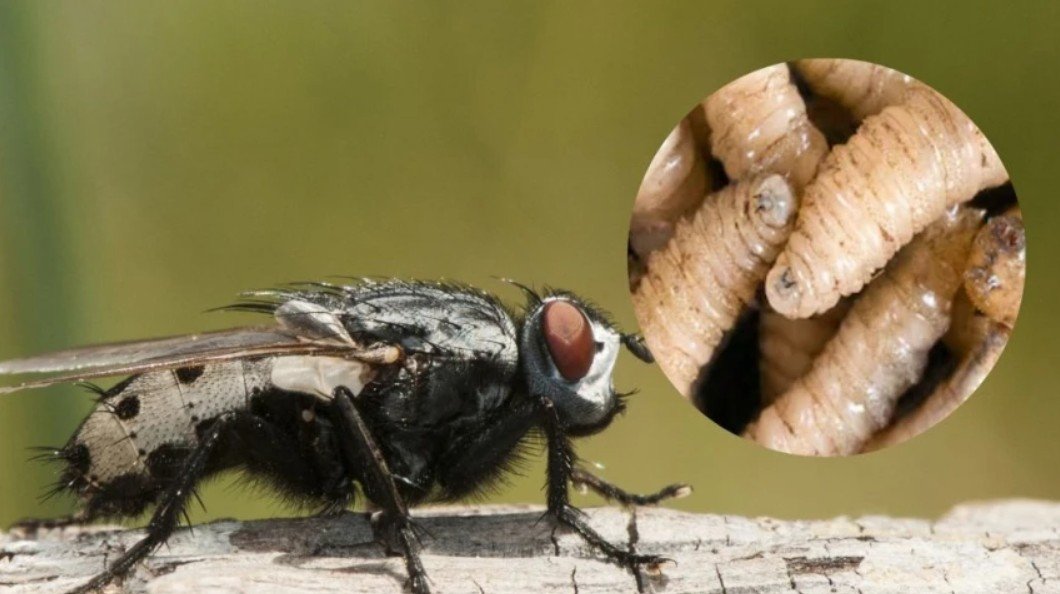
Chetumal, Quintana Roo — The state of Quintana Roo is facing a dual health and livestock emergency as the New World screwworm (Cochliomyia hominivorax) spreads rapidly, with more than 700 confirmed cases in cattle and at least 13 human infections reported in 2026, according to official data.
The National Service of Health, Safety and Agri-Food Quality (Senasica) reported that 708 animals have been infected, with outbreaks now reaching domestic dogs and wildlife, including opossums in rural and semi-urban communities. The federal Health Ministry confirmed 13 human cases of myiasis — a disease caused by fly larvae that invade living tissue — placing the Yucatan Peninsula under strict epidemiological surveillance.
Municipalities in the southern and central parts of the state, especially Othon P. Blanco, are the hardest hit. Livestock farming is the livelihood of hundreds of families in these areas, who are now suffering economic losses, reduced animal weight, secondary infections, and deaths.
The infestation begins when the screwworm fly lays eggs in open wounds of animals or humans. The larvae feed on living tissue, causing severe lesions that can lead to serious complications if not treated promptly.
As the outbreak advances, livestock producers and local authorities are demanding an urgent response: fumigation campaigns, biological control, and specialized veterinary support. The message is clear: public health and the rural economy are at risk, and time to contain the spread of the screwworm is running out.
More Environment
- Playa del Carmen Launches ‘Parquemanía’ to Revive Public Parks
- Quintana Roo Bets on Luxury, Diving and Gastronomy Tourism for 2027
- Mexico Shuts Down Coastal Dune Works in Chabihau Over Destruction of Protected Vegetation
- Yucatán Confirms Brain-Eating Amoeba in Plaza La Isla Lake, Investigates Maintenance Firms
- Navy Rescues Two Crew Members From Yacht Aground on Mahahual Reef
More Quintana Roo
- Quintana Roo Expands Tourist Police Force With Specialized Training Programs
- Cancún’s Ruta Mar Beach Shuttle to Suspend Service Until Mid-December
- Quintana Roo Leads Dengue Cases on the Yucatan Peninsula With 232 Infections
- Low-Pressure System in Central Atlantic Raises Cyclonic Development Odds to 30%
- Quintana Roo Adds New Air Routes Ahead of Winter Tourist Season