Cancún, Quintana Roo — British health authorities are investigating dozens of Cyclospora infections among travelers who recently returned from Mexico, including 48 people who stayed in Cancún or the Riviera Maya.
Between April 30 and July 15, the United Kingdom recorded 67 cases of cyclosporiasis in residents of England, Scotland and Wales, according to the UK Health Security Agency. Of the patients who provided travel information, 48, or nearly 72%, had recently visited Mexico’s Caribbean tourism region.
Several patients reported staying at luxury all-inclusive resorts and eating uncooked produce, including salads and fresh berries. However, investigators have not identified a particular hotel, restaurant, food supplier or produce item as the common source.
Two of the British patients reported recent travel to the United States, where authorities are investigating a much larger outbreak, and one had visited Kenya. A travel destination was not specified for the remaining patients.
The UK agency said it contacted Mexican authorities and expects additional cases may be identified as the summer travel season continues.
“We have recently detected an increase in Cyclospora infections among travelers returning from Mexico,” said Philip Veal, a travel-health consultant with the agency.
British authorities are advising travelers to Mexico and other countries where the parasite is regularly found to follow food and water precautions even when staying at high-end resorts. The United Kingdom’s current Mexico travel guidance specifically notes reports of Cyclospora among returning travelers.
Source Of The Infections Remains Unconfirmed
Cyclospora cayetanensis is a microscopic parasite that infects the small intestine. People contract it by consuming food or water contaminated with fecal matter carrying the parasite.
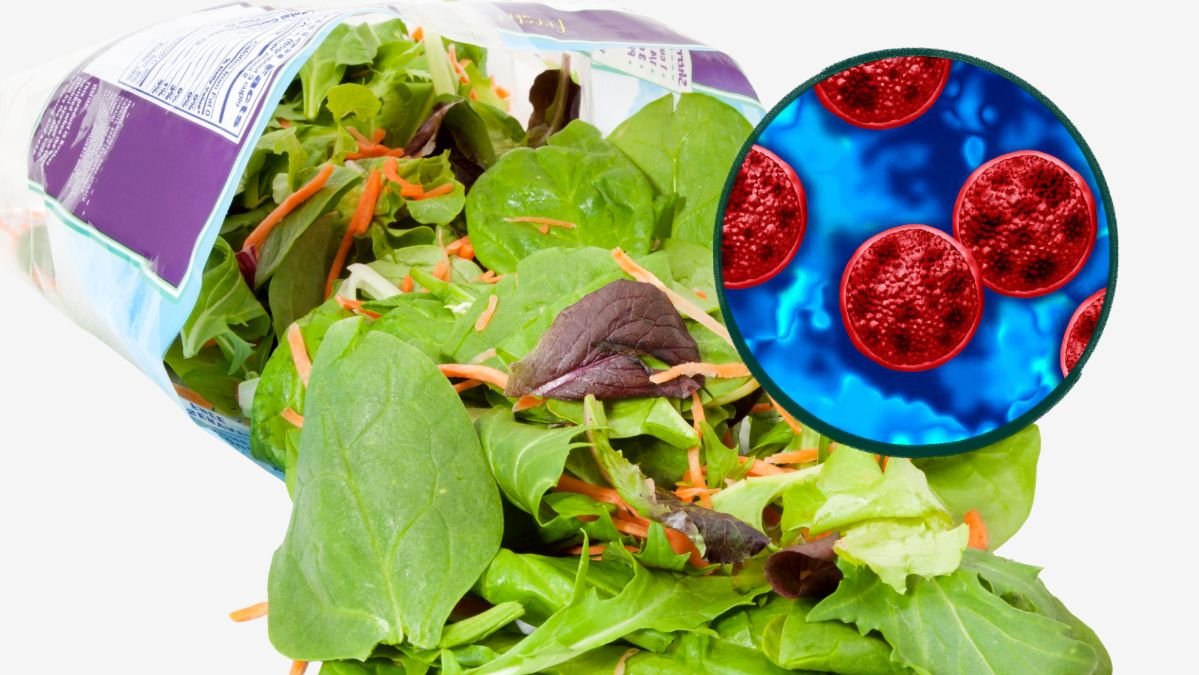
Fresh produce is frequently associated with outbreaks because it is often eaten raw. Previous investigations have involved lettuce, cilantro, basil, raspberries and other fruits, vegetables and herbs that can be difficult to clean thoroughly.
The patients’ reports of eating salads and berries provide investigators with possible lines of inquiry, but they do not establish which food caused the infections. Guests at all-inclusive resorts commonly eat many of the same foods during their stays, making it difficult to trace an illness to one meal or supplier without additional laboratory and distribution records.
No evidence has been presented showing that every British case originated from the same hotel, food product or contamination event. Authorities also have not released the names of the resorts visited by those who became ill.
Mexico Says It Has Not Detected A Domestic Outbreak
Mexico’s federal health secretary, David Kershenobich, said July 21 that the country had registered three Cyclospora cases but had not detected an abnormal domestic outbreak. He said the number remained within expected epidemiological levels and that the patients were recovering.
The Mexican figure and the British travel-associated cases measure different groups. Mexico’s count concerns infections recorded through its domestic surveillance system, while the British cases were diagnosed after travelers returned home. Travelers who became sick after leaving Mexico would not necessarily appear in the Mexican total.
The British investigation also coincides with a separate outbreak in the United States involving thousands of confirmed and suspected infections. U.S. investigators have examined shredded iceberg lettuce served at restaurants in several states and traced some distribution records to a supplier operating in central Mexico.
That investigation has not been connected to the British tourists who visited Cancún and the Riviera Maya.
Mexican health and agricultural authorities inspected the supplier’s Guanajuato facility and tested samples of lettuce, finished products and water. The samples were negative for Cyclospora, according to Mexico’s Health Ministry. Mexican officials said they had not found conclusive evidence that the plant caused the U.S. outbreak, although preventive traceability and sanitation reviews continued.
The differing investigations mean it would be premature to attribute the British tourists’ infections to the lettuce under examination in the United States.
Symptoms Can Continue For Weeks
Symptoms normally begin about one week after exposure, although the incubation period can range from two days to two weeks or longer.
The most common symptom is persistent watery diarrhea, sometimes involving frequent and sudden bowel movements. Other symptoms can include:
- Abdominal cramps and bloating
- Nausea
- Loss of appetite
- Weight loss
- Increased gas
- Fatigue
- Vomiting
- Body aches or a low-grade fever
Without treatment, the illness can continue for a month or longer. Symptoms may temporarily disappear and later return.
Cyclosporiasis is not usually life-threatening, but prolonged diarrhea can cause dehydration and may be more serious for older adults, people in poor health and those with weakened immune systems.
Diagnosis requires a stool test that specifically looks for Cyclospora. The parasite may not be detected through routine stool testing, and several samples taken on different days can sometimes be necessary. The recommended treatment is the prescription antibiotic combination trimethoprim-sulfamethoxazole, according to the U.S. Centers for Disease Control and Prevention.
Direct transmission between people is considered unlikely. The parasite expelled by an infected person must mature in the environment for at least one to two weeks before it can infect someone else.
Travelers Advised To Take Additional Care With Raw Produce
British travel-health authorities recommend drinking bottled, boiled or properly filtered water and choosing freshly prepared food that has been thoroughly cooked and served hot.
Travelers seeking to reduce their risk are also advised to avoid raw leafy salads, fresh herbs, unpeeled fruit and uncooked berries when food-handling conditions are uncertain. Routine chemical disinfectants may not kill Cyclospora, although washing produce with clean running water can reduce general contamination risks.
Anyone who develops prolonged watery diarrhea after visiting Cancún, the Riviera Maya or another tropical destination should seek medical attention and mention the recent travel history. Health officials recommend that patients specifically ask whether Cyclospora testing is appropriate.
More Business
- Activists in Playa del Carmen Demand Resignation of Quintana Roo Environment Chief Over Alux 33 Approval
- Cancún Travel Mart 2026 Sets Sights on More Mexican Caribbean Business
- Beach Chairs and Umbrellas Again Invade Free-Pass Zone at Playa Norte in Isla Mujeres
- Restaurants Close on Playa del Carmen’s Quinta Avenida as Chains Eye Year-End Openings
- Mexico doubles subsidies for gasoline and diesel amid soaring energy prices
More Cancun
- Cancún Taxi Driver Shot, Drives Himself to IMSS Hospital
- Quintana Roo Marks 216th Anniversary of Mexico’s Independence With Statewide Celebrations
- Cancún Motorcycle Taxi Drivers Protest After Two Vehicles Torched
- Cancún Councilwoman Opposes Photo-Fine Plan Ahead of Cabildo Vote
- Quintana Roo Expands Beach Restoration Project to Cancún, Puerto Morelos, Playa del Carmen and Cozumel