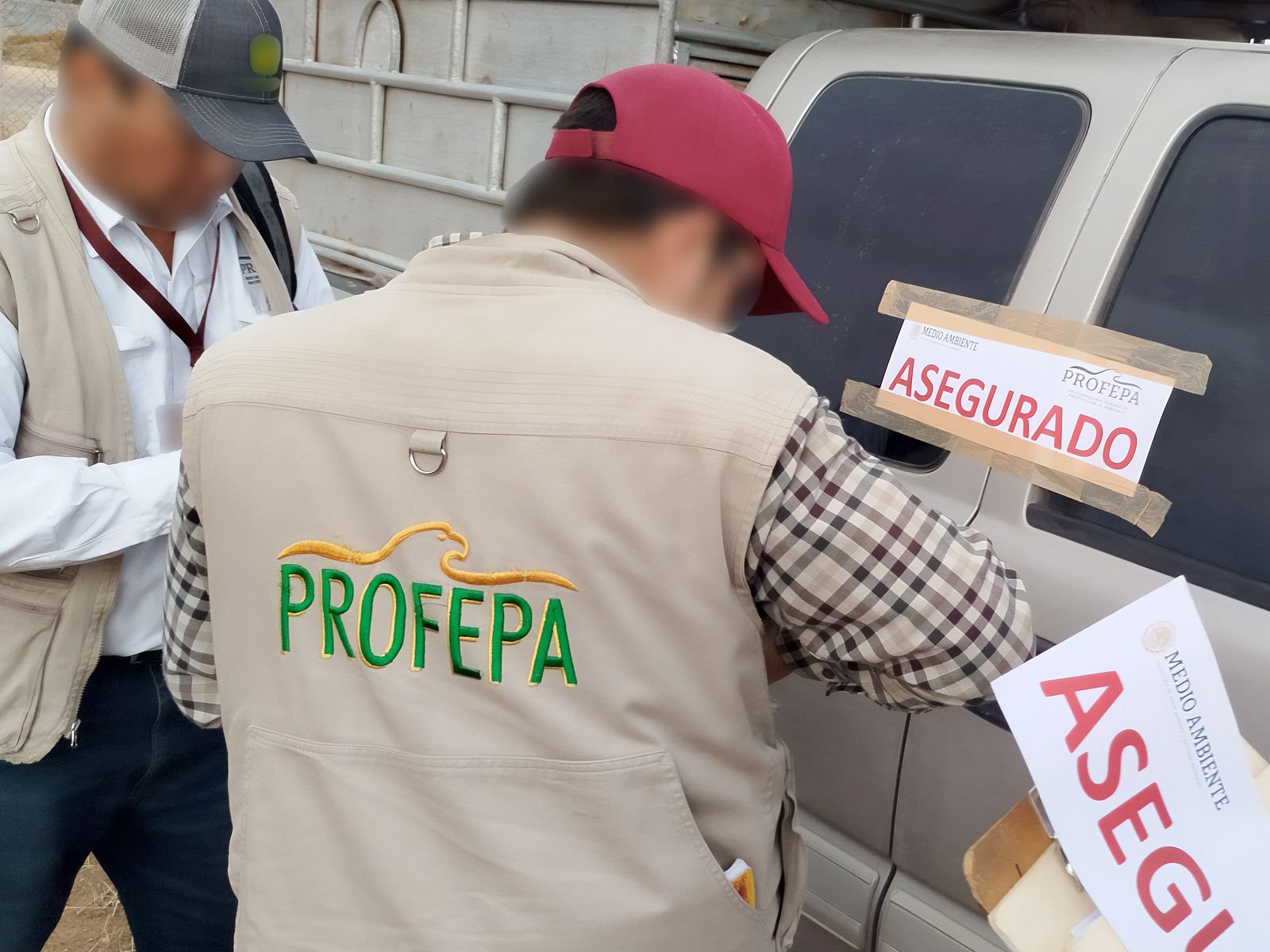
Cancun, Quintana Roo — Mexico’s Federal Environmental Protection Agency (Profepa) has launched inspection operations at Cancun International Airport and the maritime port of Puerto Morelos to verify the legal origin of products made from protected wildlife species.
Inspectors examined items made from crocodile and shark skin, whose international trade is regulated by the Convention on International Trade in Endangered Species of Wild Fauna and Flora (CITES). Authorities checked invoices, import permits, and CITES certificates — documents required to prove the products were obtained and sold legally without endangering wild populations.
The operation is significant because Cancun International Airport is Mexico’s second busiest for international traffic, handling millions of passengers each year, while Puerto Morelos maintains heavy maritime and tourist activity in the Mexican Caribbean.
Profepa maintains permanent surveillance at ports, airports, and tourist sites because Quintana Roo is one of the main entry and exit routes for goods made from exotic species, many sold as luxury items, accessories, or souvenirs.
The agency said the actions aim to curb illegal wildlife trafficking, an activity considered among the most lucrative illicit markets in the world, behind only drug trafficking and illegal arms trade, according to international environmental organizations.
More Cancun
- Taco Social Run to Bring Recreation, Live Music and Street Tacos to Cancún’s Avenida Yaxchilán
- Cancún Sets October Dates for Free Dog and Cat Sterilization Clinics
- Quintana Roo Governor Urges Youth to Help Draft New Rights Law
- Rains and Port Restrictions Cut Cancún Nautical Tourism to 60%
- Cancún to Host First Claude Community Gathering for Hospitality in Latin America
More Puerto Morelos
- Punta Corcho Brings Chef Daniel Ovadia’s Coastal Mexican Cuisine to Puerto Morelos
- Puerto Morelos to Host Mar de Almas Janal Pixan Festival for Day of the Dead
- Sargablock Sells First Franchise Outside Mexico
- Explosion and Fire at OXXO Store in Puerto Morelos Leaves Worker Shaken
- Puerto Morelos Pursues New Maritime Trade Route to Central America