
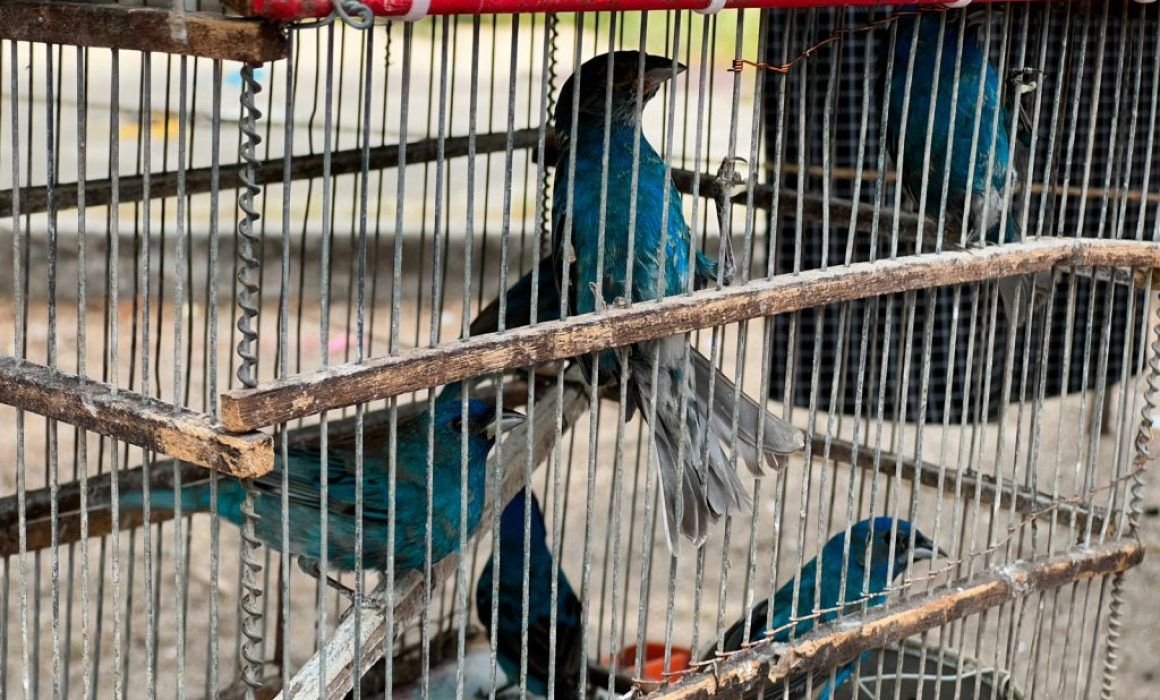
Villahermosa, Tabasco — Mexico’s environmental enforcement agency has seized 482 protected plants and animals in a coordinated operation across seven states targeting illegal wildlife trafficking.
The Federal Attorney’s Office for Environmental Protection (Profepa) announced the results of its second operation against wildlife trafficking in Chiapas, Oaxaca, Quintana Roo, Yucatán, Campeche, Veracruz and Tabasco. In Tabasco alone, authorities confiscated 53 turtles and parrots.
During the operation, inspectors checked 119 vehicles and seized psittacines (parrots, parakeets and macaws), turtles, two spider monkeys, an ocelot, a jaguar, and various protected wild plant species including orchids, bromeliads and cacti.
Profepa said it strengthened inspection and surveillance operations in the region because the breeding season for wild species — especially birds, reptiles, mammals and psittacines — sees a spike in illegal extraction and transport to clandestine markets.
More Crime
- Six Detained After Security Operation in Villas del Sol
- US Fugitive Wanted on Child Abuse and Zoophilia Charges Arrested in Yucatán After Amazon Order Traced His Name
- Canadian Fugitive Wanted for Homicide Arrested in Playa del Carmen
- Suspect in 2023 Cancún Kidnapping Arrested in Chihuahua After Nearly Three Years
- Million-Dollar Robbery in Cancún Triggers Major Police Deployment
More Quintana Roo
- Quintana Roo Remains Far from Electronic Voting, INE Official Says
- Sargassum Influx Triggers Two Types of Wildlife Die-Offs in Quintana Roo
- Experts Highlight Social Memory as Key to Disaster Prevention in Quintana Roo
- Quintana Roo to Launch World’s First Formal Sargassum Fishery With 840 Fishermen
- INE Opens 2026-2027 Federal Electoral Process in Quintana Roo, Vows to Tackle Voter Apathy
