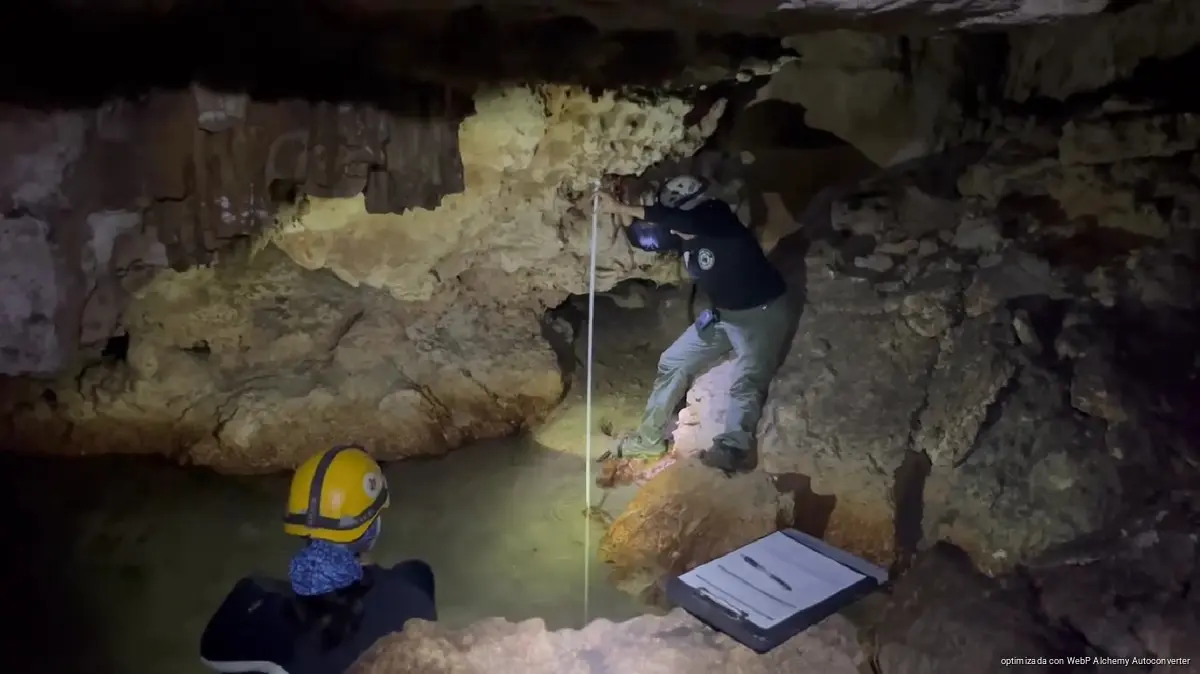
Playa del Carmen, Quintana Roo — Municipal authorities are considering stepping up patrols and installing warning signs at urban cenotes that have been used as shelters by homeless people and as places for drug consumption.
Fernando Muñoz Calero, president of the city council’s Ecology, Environment and Tourism Commission, said officials will begin talks with municipal agencies to act on a request from Cenotes Urbanos, a citizen science project that seeks to reduce harm to these sinkhole ecosystems and improve their oversight.
10 cenotes with irregular occupation
The project previously handed the Citizen Security Department a list of 10 bodies of water where participants documented spaces used as makeshift dwellings or for suspected drug use.
In addition to patrols, the plan includes placing signs at access points to inform visitors about restrictions and encourage environmental stewardship. One proposal is to engrave messages on rocks already at each location to make them last longer and resist vandalism.
Muñoz Calero said the proposal still needs to be reviewed with the responsible agencies to determine its feasibility and what signage would be appropriate. Patrols in cenotes within the urban area will continue in the meantime.
More Environment
- Puerto Morelos launches weekly sargassum watch until 2026
- Quintana Roo Seeks Geographic Indication to Protect Melipona Honey
- Dengue Cases in Quintana Roo Jump 152 Percent
- Quintana Roo Hoteliers Push Regenerative Tourism Amid Beach Access Disputes
- Greenpeace Finds Contamination at 17 Yucatán Wells and Cenotes as Maya Communities Demand Action
More Playa del Carmen
- Judge Orders Five to Stand Trial for Drug Dealing in Playa del Carmen
- Quintana Roo Prosecutor’s Office Releases Seized Playa del Carmen Property, Leaving Two Dogs Locked Inside for Three Days
- Playa del Carmen Prepares Third Janal Pixán Festival With 300 Artists and Two Parades
- Playa del Carmen Parking Meter Operator Playaparq Ignores City Notices Over Broken Machines
- Playa del Carmen Cuts Administrative Offenses 8.5% as Peace and Civic Justice Council Convenes