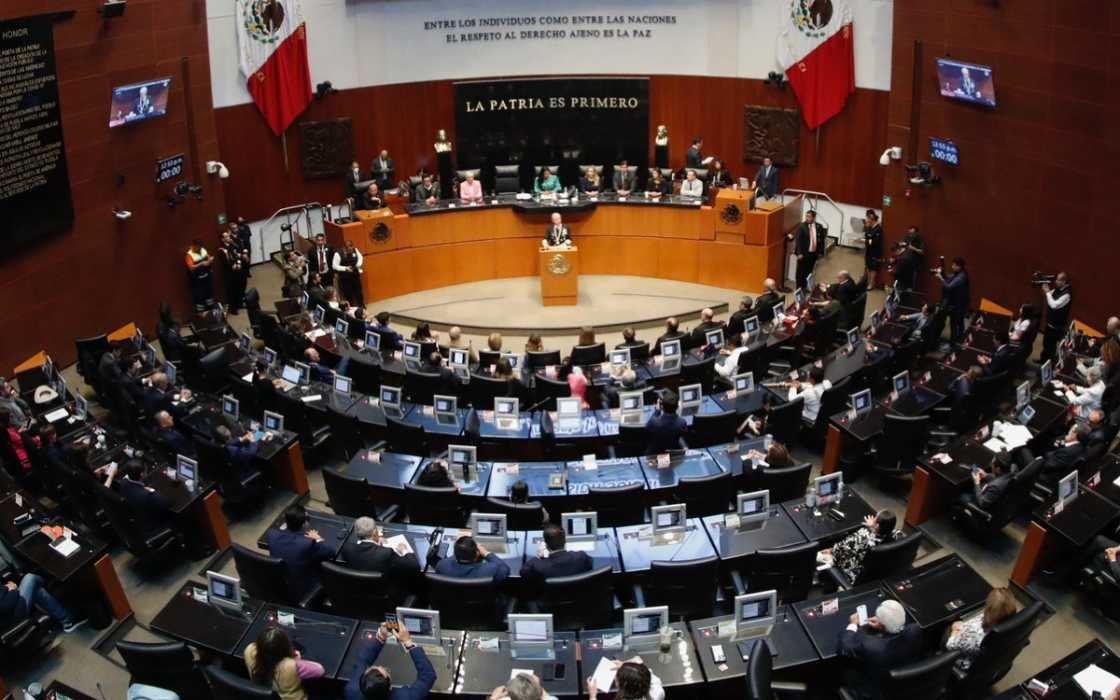
Mexico City — Mexico’s Senate will review the legality and scope of new rules the IMSS (Mexican Social Security Institute) has set for Modality 40, a voluntary contribution program that workers use to keep paying into social security and raise their eventual pension.
The institute temporarily changed the terms for joining the scheme in provisions published Wednesday in the Official Gazette (Diario Oficial de la Federación).
Under the new rules, applicants must base their contributions on the last registered base salary they held when they left their formal job, with an added margin of up to one UMA — the daily reference unit used to calculate credits, fines and benefits — and the amount cannot fall below the general minimum wage.
A second change ends retroactive enrollment. New memberships will take effect on the date the application is filed, eliminating registrations backdated to an earlier date.
Program survives, with new limits
The measure does not abolish Modality 40 for now. Workers already enrolled can keep the conditions under which they signed up until their current contribution period ends. Weeks and salaries already paid in also retain their effect when pension rights are calculated.
Modality 40 has been used mainly by workers approaching retirement who want to raise their average contribution salary during their final years of employment, particularly those covered by the 1973 Social Security Law.
Senators question IMSS authority
The changes drew objections in the Senate, chiefly over whether the institute’s Technical Council has the authority to impose restrictions through an administrative agreement that can alter workers’ retirement strategies.
PRI Sen. Claudia Anaya Mota asked for a review of the new rules’ legality, while Senate Board president Higinio Martínez said the matter was referred to the Political Coordination Board for analysis.
The debate centers on how far the IMSS Technical Council can go through administrative provisions and whether the changes require legislative action.
Six-month financial review ordered
The agreement itself directs the IMSS Finance Directorate, through its Financial and Actuarial Risk Unit, to complete an analysis of Modality 40’s financial impact within six months.
The Legal Directorate must then draft a proposal to modify the regulations based on those findings and submit it to the Technical Council. The provision signals a financial motive behind the changes: the institute wants to measure the cost of the scheme and decide whether further adjustments are needed to keep it viable.
Who is affected
The sharpest impact falls on workers who have not yet enrolled and had planned to join Modality 40 at a contribution salary well above the one registered before they left a formal job.
The new rules limit that option, narrowing the room to lift the salary average used to set certain pensions. Ending retroactive enrollment also removes a tool some workers used to start contributions earlier than the date of their application.
More Government
- Mexico Blocks Shipment of Six Archaeological Artifacts Bound for Britain at Mexico City Airport
- Quintana Roo Prosecutor’s Office Releases Seized Playa del Carmen Property, Leaving Two Dogs Locked Inside for Three Days
- IMSS Raises Wage Increase to 8% After Workers Reject Initial Offer
- Playa del Carmen Parking Meter Operator Playaparq Ignores City Notices Over Broken Machines
- Cancún Waives 100% of Fines and Surcharges to Help Businesses Get Licensed