Mexico City — The Mexican government spent more than 5 billion pesos (approximately $250 million) in 2025 to cover operating losses at state-owned companies run by the military, according to external audit reports reviewed by the news magazine Proceso.
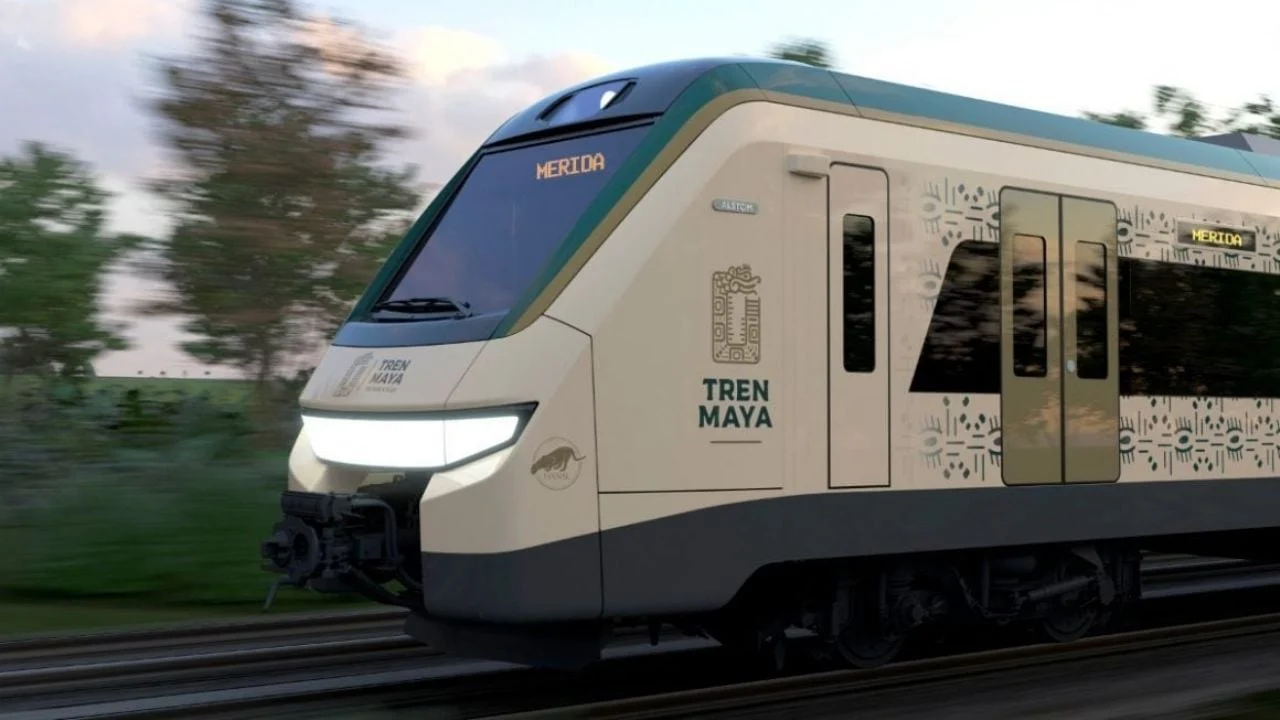
The Tren Maya, the flagship infrastructure project of former President Andrés Manuel López Obrador and now operated by the Secretariat of National Defense (Sedena), generated only 542 million pesos in revenue — 20% below its budget — while spending 4.81 billion pesos. Its payroll alone cost 871 million pesos, far exceeding the company’s income.
To cover the shortfall, the government of President Claudia Sheinbaum provided 1.67 billion pesos in subsidies to the Tren Maya and an additional 1.76 billion pesos to Grupo Aeroportuario, Ferroviario, de Servicios Auxiliares Olmeca-Maya-Mexica (GAFSACOMM), the holding company that controls 12 airports, 13 fuel stations, five gas stations, seven hotels along the Tren Maya route, four amusement parks, and two museums.
GAFSACOMM reported revenues of 4.02 billion pesos against expenses of 6.67 billion pesos. Even after subsidies, both entities drew additional funds from the Sedena-administered Trust 108697 — 2.66 billion pesos for the Tren Maya and 828 million pesos for the holding company.
An external audit by Forvis Mazars found that the Tren Maya’s operating expenses surged from 2.84 billion pesos in 2024 to 4.81 billion pesos in 2025. Payroll nearly doubled from 471 million pesos to 871 million pesos, while general services — including insurance, train and infrastructure maintenance, consulting, and cleaning — rose from 1.9 billion pesos to 3.12 billion pesos.
GAFSACOMM’s audit showed most revenue came from airport commercial space rentals, jet fuel sales, and gasoline sales at Sedena-operated stations. The hotel business, which cost 10.96 billion pesos in public funds, generated only 153 million pesos in revenue, with just 83 million pesos from room rentals.
The Felipe Ángeles International Airport (AIFA), also under Sedena control, received 1 billion pesos in federal subsidies in 2025. It reported 2.88 billion pesos in own revenue against 2.86 billion pesos in expenses, allowing it to post a profit.
On the Navy side, the Ferrocarril del Istmo de Tehuantepec (FIT) — the train that derailed on December 28, killing 14 passengers — earned 240 million pesos from services in 2025, far below its 712 million pesos in operating costs. Passenger ticket sales amounted to just 15.1 million pesos. The federal government provided 576 million pesos in subsidies to FIT.
The Corredor Interoceánico del Istmo de Tehuantepec, responsible for developing an industrial corridor between Coatzacoalcos and Salina Cruz, reported 262 million pesos in revenue against 430 million pesos in expenses. It received 100 million pesos in subsidies.
More Business
- Lee Heads to UN for Trump Talks, Then Mexico Summit
- Grupo Xcaret President Touts Mexico’s Culinary Diversity at Apapaxoa 2026
- Isla Contoy Cleanup Removes 249 Kilos of Waste From Marine Park
- Coparmex Urges INE to Strengthen Election Controls Ahead of 2027 Vote
- Quintana Roo Transport Union Prepares Bid for 20% Fare Increase