
Othón P. Blanco, Quintana Roo — Archaeologists have announced the discovery of a major pre-Hispanic Maya settlement in southern Quintana Roo, named El Jefeciño for the monumental scale of its architecture. The site covers at least 100 hectares and contains 80 structures, according to the National Institute of Anthropology and History (INAH).
The settlement features Petén-style Maya architecture, characterized by large vaulted buildings, rounded and recessed corners, and apron moldings. Experts believe construction dates to the Early to Late Classic period (250–900 AD).
Local residents first reported the site during salvage work for the Maya Train archaeological project on Section 7, led by archaeologist Manuel Pérez Rivas. Between 2023 and 2024, Sonny Moisés Ojeda González, head of the Dzibanché Kinichná archaeological zone, and Diana Karina Blancas Olvera, head of the Kohunlich archaeological zone, led the registration efforts.
Preliminary data indicate the site spans 100 hectares, but further exploration is needed to determine its exact size, building dimensions, and settlement pattern, Ojeda González said in an INAH statement.
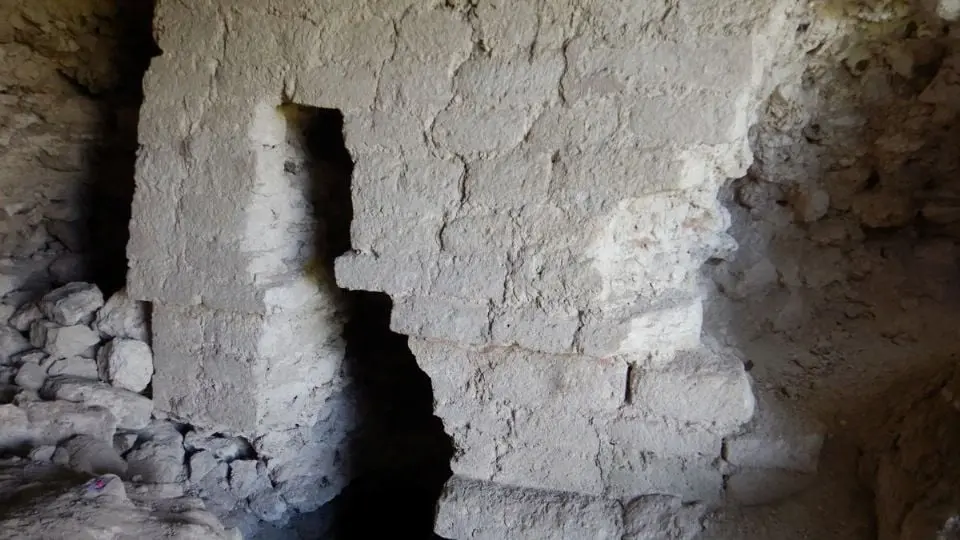
Blancas Olvera noted that the nuclear area comprises five buildings ranging from 11 to 14 meters high and 16 to 40 meters long, arranged around a C-shaped plaza. In one northeastern structure, researchers observed remains of stucco with decorative mural painting and fragments of a human skeleton, possibly from a burial context.
No archaeological salvage was conducted, so materials could not be deeply analyzed or recovered; evidence must remain in situ, INAH stated. The mural painting is decorative rather than narrative, with white and orange pigments and red bands, though intensive verification is needed.
Three construction phases were identified superficially: the deepest (about eight meters) shows an apron molding; the second corresponds to mural painting remains; and the third features collapses with stairway foundations. However, Ojeda González estimated at least four to five phases based on building size.
Researchers hope to conduct LiDAR mapping to define the settlement pattern and recommend conservation, consolidation, and exploration actions. The study of El Jefeciño is expected to help understand the network of regional archaeological sites and expand knowledge of the ancient Maya in southern Quintana Roo and their social relationships.
More Chetumal
- Chetumal’s Barrio Mágico Project to Temporarily Relocate 50 Street Vendors
- Tren Maya Archaeological Finds Won’t Be Displayed in Chetumal, INAH Says
- Southern Quintana Roo Lacks Banks and Internet to Ditch Cash, Accountants Warn
- Southern Quintana Roo Hotels Confirm Drop in Booking Demand
- Quintana Roo Hosts Up to 250 Endangered Manatees, Researchers Say
