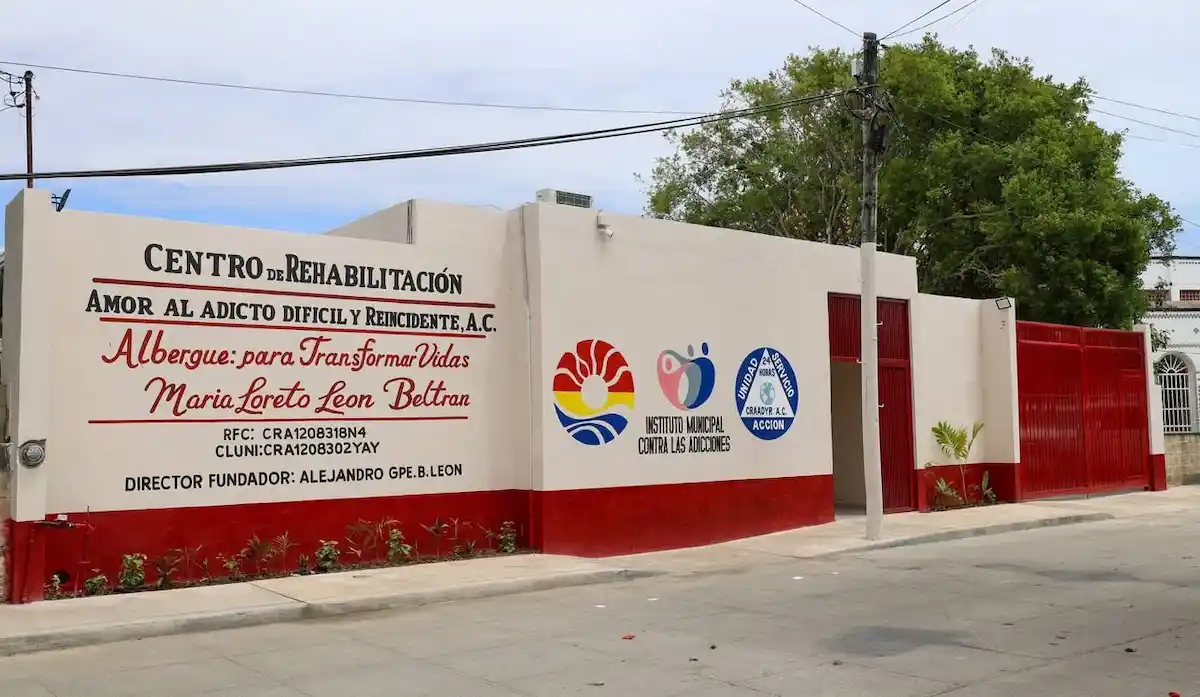
Cancún, Quintana Roo — The Municipal Institute Against Addictions (IMCA) is continuing its street-level operations to locate and assist homeless individuals struggling with substance abuse, officials said.
The institute’s shelter currently houses about 45 people and still has capacity to accept new arrivals, according to IMCA director Alberto Ortuño Báez.
Ortuño explained that occupancy fluctuates regularly, as some residents are reunited with family or transferred to specialized centers when appropriate, freeing up beds for those who accept help during outreach efforts.
In recent days, IMCA teams conducted several patrols across the city. During one operation in the Supermanzana 232 neighborhood, three men agreed to enter a rehabilitation center, while another was turned over to the Civic Court for an administrative infraction after refusing treatment.
The director emphasized that enrollment in a rehabilitation program cannot be forced, so IMCA staff prioritize dialogue to explain the benefits of treatment and persuade individuals to begin recovery.
In another operation in Supermanzana 25, officers did not find the individuals reported by neighbors. However, during a patrol in the La Rehoyada area, they transported another person to the municipal shelter.
Outreach is conducted regularly in areas where homeless populations tend to gather, including Parque de las Palapas, the General Hospital, sports domes, and various supermanzanas. Ortuño noted that sometimes individuals are not found because they leave during the day to collect recyclable materials or earn money.
The IMCA works in coordination with other institutions and civil associations. Women are referred to the Santa María association, while men receive care at the Amor al Adicto Difícil y Reincidente (Craadyr) rehabilitation centers.
The institute receives two to three citizen reports per day through peace committees, an anonymous WhatsApp number, and other municipal agencies. Each case is logged and followed up with a search and outreach operation.
Ortuño cited the case of a man living on the street along Avenida 20 de Noviembre who has repeatedly refused help. Staff maintain contact with him in hopes he will eventually accept rehabilitation.
Most of those assisted are men over 35. The institute also supports older adults with alcohol problems and people with disabilities, coordinating with the DIF family welfare agency, the Secretariat of Welfare, and the Health Department.
More Community
- Supreme Court Reopens Mahahual Case Against Royal Caribbean
- Quintana Roo Governor Invites Families to First Janal Pixán Festival in Calderitas
- Senate to Review Legality of IMSS Changes to Modality 40 Pension Scheme
- Quintana Roo Seeks Geographic Indication to Protect Melipona Honey
- Quintana Roo Prosecutor’s Office Releases Seized Playa del Carmen Property, Leaving Two Dogs Locked Inside for Three Days
More Cancun
- Hells Angels Leader Arrested in Cancun Over Cartel Drug Trade
- Tourist Boat Traffic Slumps Across Quintana Roo Ports in September
- Cancún Waives 100% of Fines and Surcharges to Help Businesses Get Licensed
- Puerto Morelos Mayor Says Cancún Mansion Raided by Federal Agents Was ‘Lent’ to Her
- Mothers Keep Up Protest at Cancún Middle School Over Alleged Attack on Student