Playa del Carmen, Quintana Roo — State authorities have identified at least 370 irregular settlements across several municipalities in Quintana Roo, with the number expected to rise as a comprehensive assessment continues.
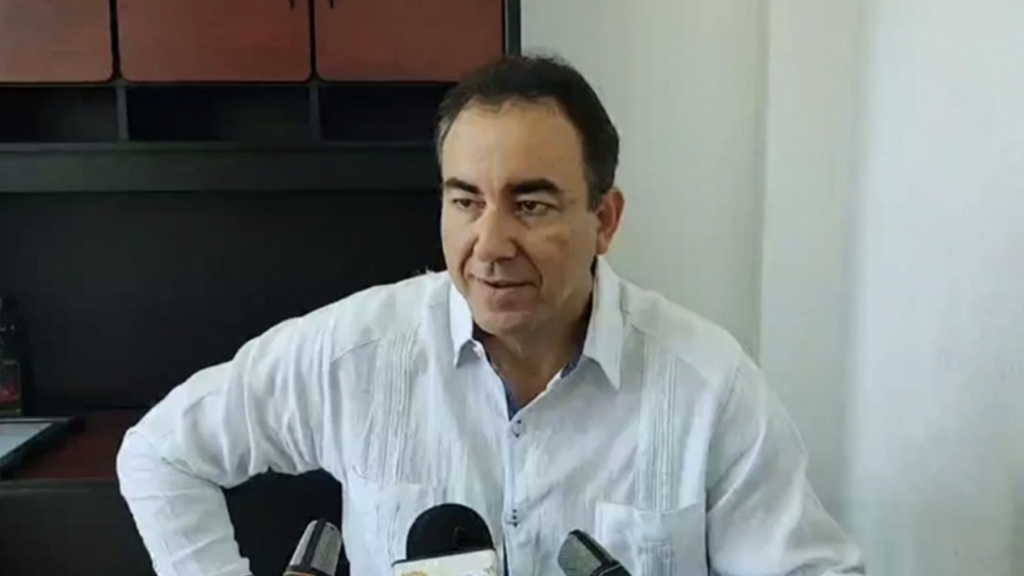
José Alberto Alonso Ovando, head of the state’s Sustainable Territorial and Urban Development Secretariat, said the municipalities most affected are Benito Juárez, Isla Mujeres, Othón P. Blanco and Puerto Morelos. The unplanned expansion of housing outside urban planning frameworks has created challenges for public services, mobility and property security.
“These are spaces where the absence of territorial planning ends up creating vulnerable conditions for families,” Alonso Ovando said, referring to the thousands of people living on unregulated land.
Committee formed to address the issue
In response, state authorities, academics and specialists have established the State Committee for the Regularization of Human Settlements at the University of the Caribbean. The committee will coordinate strategies to regularize these communities and improve living conditions.
Alonso Ovando explained that the main goal is to provide legal certainty to families occupying these areas and facilitate gradual access to basic services such as drinking water, electricity, drainage, roads and urban equipment.
More than 240,000 people lack legal certainty
Christine McCoy, a researcher at the University of the Caribbean, warned about the scale of the problem in the northern part of the state. According to her estimates, about 30% of the population in the Cancún metropolitan area and Isla Mujeres currently lacks legal certainty over their property.
McCoy said this involves approximately 240,000 people in some 60,000 families, reflecting a growing demand for housing that formal urban development schemes have not met.
She attributed the phenomenon to multiple causes, including the need for low-income families to access land and the illegal sale of plots without official authorization, which has fueled the expansion of settlements lacking basic services and legal guarantees.
Authorities aim to curb irregular growth
State officials said the ongoing assessment will help pinpoint the location and conditions of these settlements, allowing them to design response, regularization and containment strategies.
Beyond resolving the legal status of thousands of families, the challenge in the coming years will be to strengthen urban planning, expand formal housing options and reinforce oversight to prevent the proliferation of new settlements outside the legal framework.
More Lifestyle
- Two Atlantic Low-Pressure Areas Watched; One Shows 40% Cyclone Chance
- More Than 200 Children Evacuated From Chetumal Daycare After Electrical Fault
- Quintana Roo Reports 282 Dengue Cases, Eight of Them Severe
- Playa del Carmen Set to Host Pro Padel League International Stop
- WHO Warns El Niño Poses Major Global Health Threat
More Quintana Roo
- 40-Hour Workweek in 2027 Will Speed Up Robots and AI in Hotels, IMEF Says
- Lawmakers Propose One Tree Every 15 Meters in New Quintana Roo Developments
- Trafficking Cases Keep Quintana Roo on Alert With 159 Reported in 2026
- INEGI Confirms Quintana Roo Surpasses 2 Million Residents
- Mexican Navy Opens Youth Photography Contest on Ocean Conservation