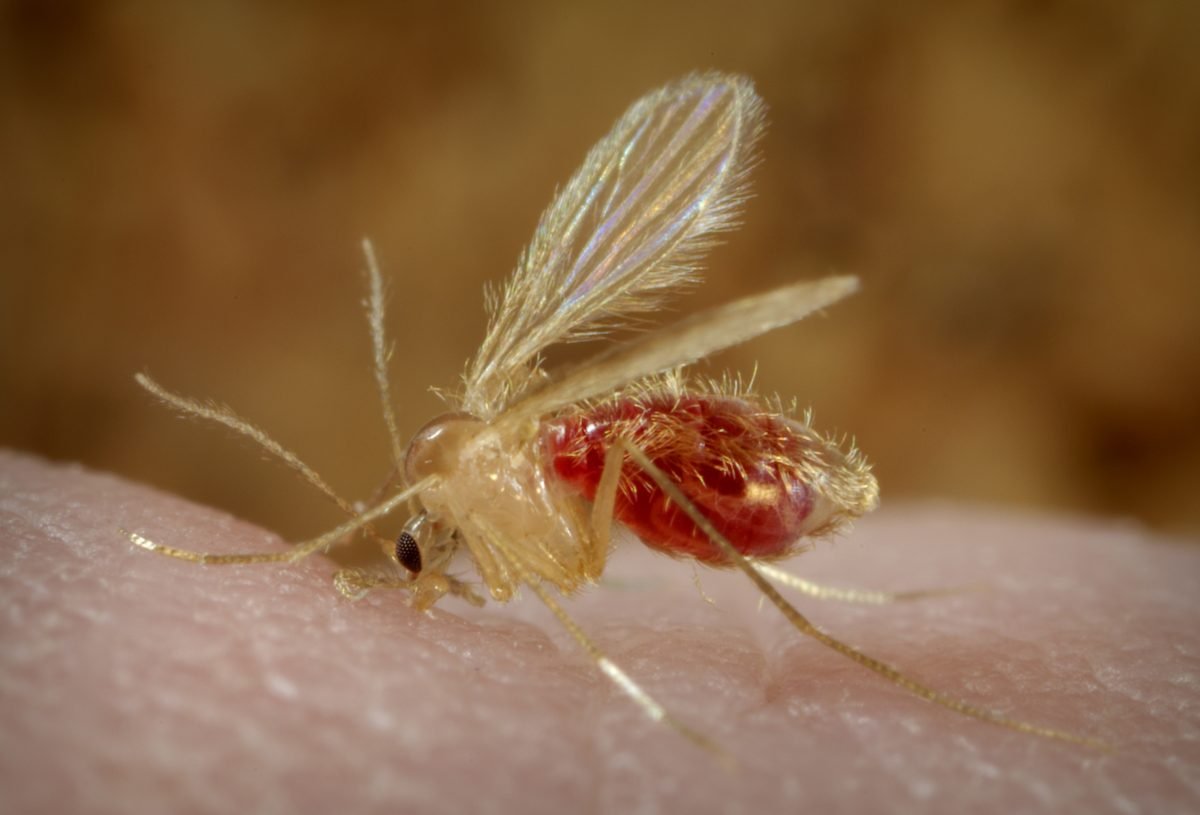
Bacalar, Quintana Roo — Quintana Roo has the highest number of confirmed leishmaniasis cases in Mexico, with 245 of the 382 cases reported nationwide, according to the latest Epidemiological Bulletin from the Ministry of Health.
The state accounts for nearly 64% of all cases in the country. It is followed by Tabasco with 69 cases, Campeche with 35, and Yucatán with 22.
Leishmaniasis is a parasitic disease transmitted by the bite of the sandfly, also known as the chiclero fly. It is not spread from person to person and can cause skin lesions or ulcers that take time to heal; in more severe cases, it can also affect internal organs.
Health officials recommend using insect repellent, wearing long-sleeved clothing when entering forest or jungle areas, and keeping the surroundings of homes clean to reduce the presence of insects. They also urge the public to seek medical attention if any symptoms appear and to avoid self-medication.
More Environment
- Puerto Morelos launches weekly sargassum watch until 2026
- Quintana Roo Seeks Geographic Indication to Protect Melipona Honey
- Dengue Cases in Quintana Roo Jump 152 Percent
- Quintana Roo Hoteliers Push Regenerative Tourism Amid Beach Access Disputes
- Greenpeace Finds Contamination at 17 Yucatán Wells and Cenotes as Maya Communities Demand Action
More Quintana Roo
- Tourist Boat Traffic Slumps Across Quintana Roo Ports in September
- Quintana Roo Tops 152,000 Metric Tons of Sargassum as Playa del Carmen and Cancún Lead
- Court Gives Profepa 72 Hours to Clarify Tren Maya Closure Order
- Quintana Roo Beaches Lose Up to 14 Meters of Sand a Year as Restoration Plan Advances
- Quintana Roo Youth Sailors Join Mexico’s Team for Optimist Championship in Uruguay