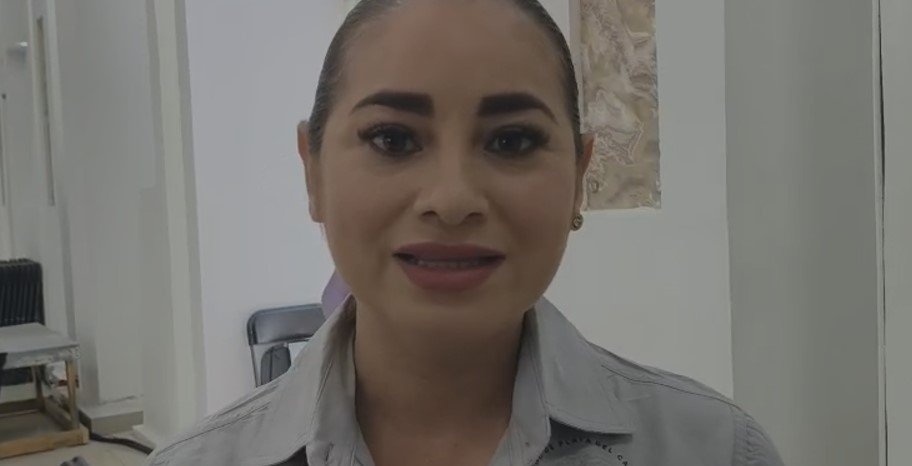
Playa del Carmen, Quintana Roo — The Municipal Women’s Institute of Playa del Carmen has established inter-institutional coordination mechanisms to provide care for Maya-speaking women seeking psychological, legal, or accompaniment services, Director General Dania Gamboa Medina announced.
Gamboa explained that if a woman who speaks only the Maya language comes for assistance, the institute can call on support from the Indigenous Affairs Unit and the Municipal Culture Institute, where staff members are available to serve as translators.
As part of efforts to prevent and address gender-based violence, the “Violentómetro” — a tool that helps identify different types and levels of violence — has already been translated into Maya, Gamboa said. The goal is to bring this resource closer to indigenous communities and make it easier for them to recognize violence.
Gamboa added that workshops will be offered to Maya-speaking women so they can learn about their rights while also contributing their knowledge and experiences to shape prevention and care strategies.
During the last quarter, the institute provided services to more than 4,300 women, primarily through psychological counseling, legal advice, and accompaniment, Gamboa said. Of that total, 16 cases involved indigenous women who received violence-prevention care.
Gamboa emphasized that these efforts are part of coordinated work among various institutions, including the Women’s Justice Center and the Specialized Group for Attention to Family and Gender Violence (GEAVIG). She noted that these agencies also have support to assist women facing language barriers — not only in Maya but also in other languages such as English and Russian, after a recent case required such assistance.
The coordination between departments helps expand the institute’s capacity to ensure that women, regardless of language or origin, can access available support and protection services, Gamboa said.
More Government
More Playa del Carmen
- Two Women Arrested on Drug Dealing Charges in Playa del Carmen
- Prosecutors Seek Public’s Help to Find 24-Year-Old Missing Man in Playa del Carmen
- Facade Chunks Fall Onto Playa del Carmen’s Quinta Avenida, Prompting Closure
- Playa del Carmen New Urban Development Plan Approval Slated for Early 2027
- Quintana Roo Hands Two Artisan Carts to 33 Craftspeople in Playa del Carmen