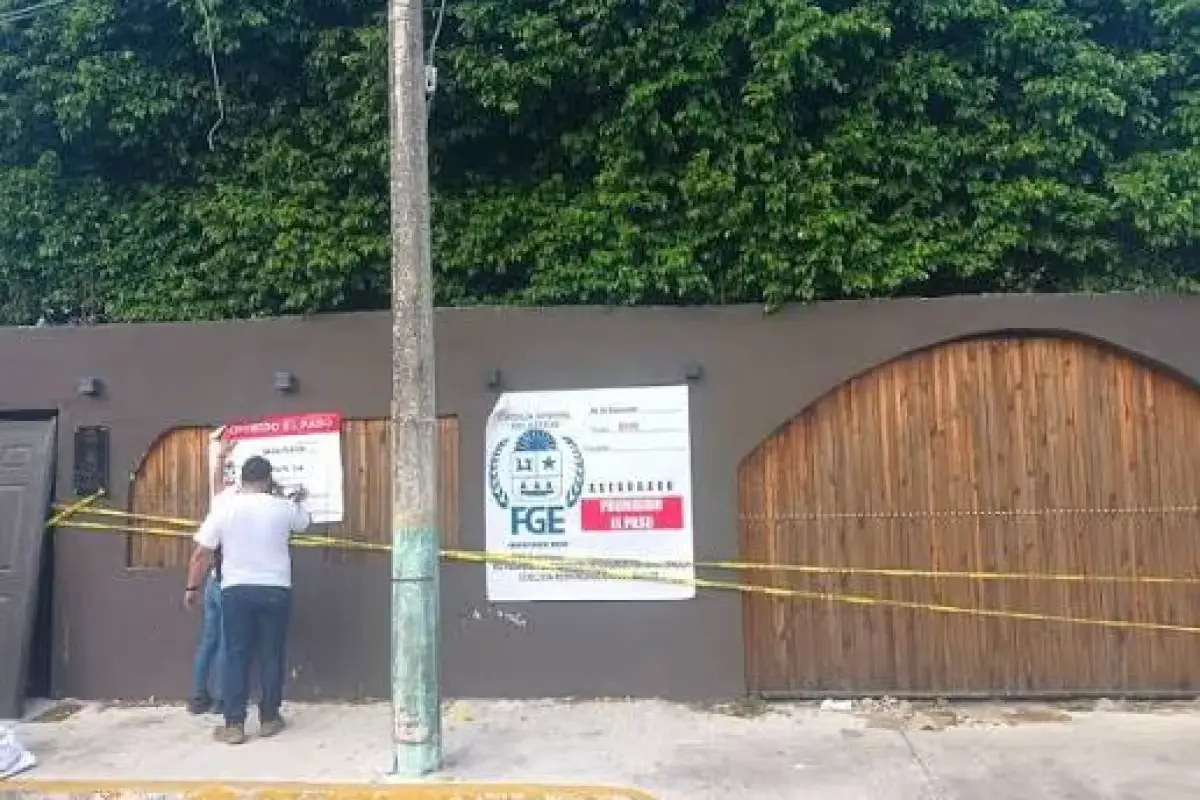
Chetumal, Quintana Roo — More than a year after the discovery of the fraudulent pet crematory ‘Casa Xibalba,’ the legal process against those responsible continues, with most victims refusing alternative resolutions and demanding the case go to trial, according to attorney Rafael Rivero Aburto, who leads the civil association ‘All Life is Important’ and represents many families pro bono.
Rivero clarified that while the case has faded from headlines, it has not stalled. Multiple investigation files are advancing simultaneously through different stages of the accusatory criminal system.
The scandal erupted after it was confirmed that Casa Xibalba, which operated for years in Chetumal offering pet cremation services, never actually incinerated the animals. Instead, the bodies were dumped in black bags on vacant lots, while families received urns filled with dirt, fake ashes, or powder, under the pretense that they were the remains of their pets. The discovery of dozens of abandoned animal carcasses exposed the fraud and sparked outrage across Quintana Roo and the country.
Two suspects, Brizeidy ‘N’ and Guillermo Alejandro ‘N,’ have been formally charged. Guillermo Alejandro remains in pretrial detention, while Brizeidy is under house arrest, an extraordinary precautionary measure granted due to breastfeeding.
Rivero said he will file a formal request between late July and early August for the accused to return to prison once the breastfeeding period ends.
Regarding the legal progress, Rivero noted that several case files have reached the intermediate stage, just before oral trial, and that the possibility of a negotiated settlement has practically been exhausted due to the victims’ firm stance.
The State Prosecutor’s Office has registered more than 335 complaints related to the case; nearly half have initiated judicial proceedings, and about 35 files are in the most advanced phases.
Rivero explained that the complexity and magnitude of the case stem from the fact that each victim contracted different service conditions and paid varying amounts. Some complaints allege that Guillermo Alejandro posed as a veterinarian to perform euthanasia at homes, while in other cases, animals were delivered directly to the facility. Due to these specifics, he estimated the trial could take between 18 months and two years.
Regarding financial compensation, Rivero said that in a recent hearing, the prosecutor’s office proposed approximately 20,000 pesos for moral damages in one victim’s case, plus a refund of the roughly 2,500 pesos paid for the cremation service. On average, he calculated each case could result in compensation of around 30,000 pesos, though the final amount will depend on each judge’s assessment of psychological, emotional, and social harm, as well as the evidence presented.
More Courts
- Supreme Court Reopens Mahahual Case Against Royal Caribbean
- Why Mexico’s Treason Charge Over a U.S. Raid Matters
- Mexico’s Lower House Approves ‘Anti-Meme’ Law as Opposition Warns Over Free Speech
- Senate to Review Legality of IMSS Changes to Modality 40 Pension Scheme
- Quintana Roo Prosecutor’s Office Releases Seized Playa del Carmen Property, Leaving Two Dogs Locked Inside for Three Days
More Chetumal
- Quintana Roo Governor Invites Families to First Janal Pixán Festival in Calderitas
- Chetumal Traffic Officer Shoots Two Dead, Then Kills Himself
- Santa Fe Klan Plays Nearly Four Hours at Expofer 2026 in Chetumal
- Expofer Opens in Chetumal: 150 Police, No Incidents on Night One
- Baby Manatee Dies After Boat Strike in Río Hondo