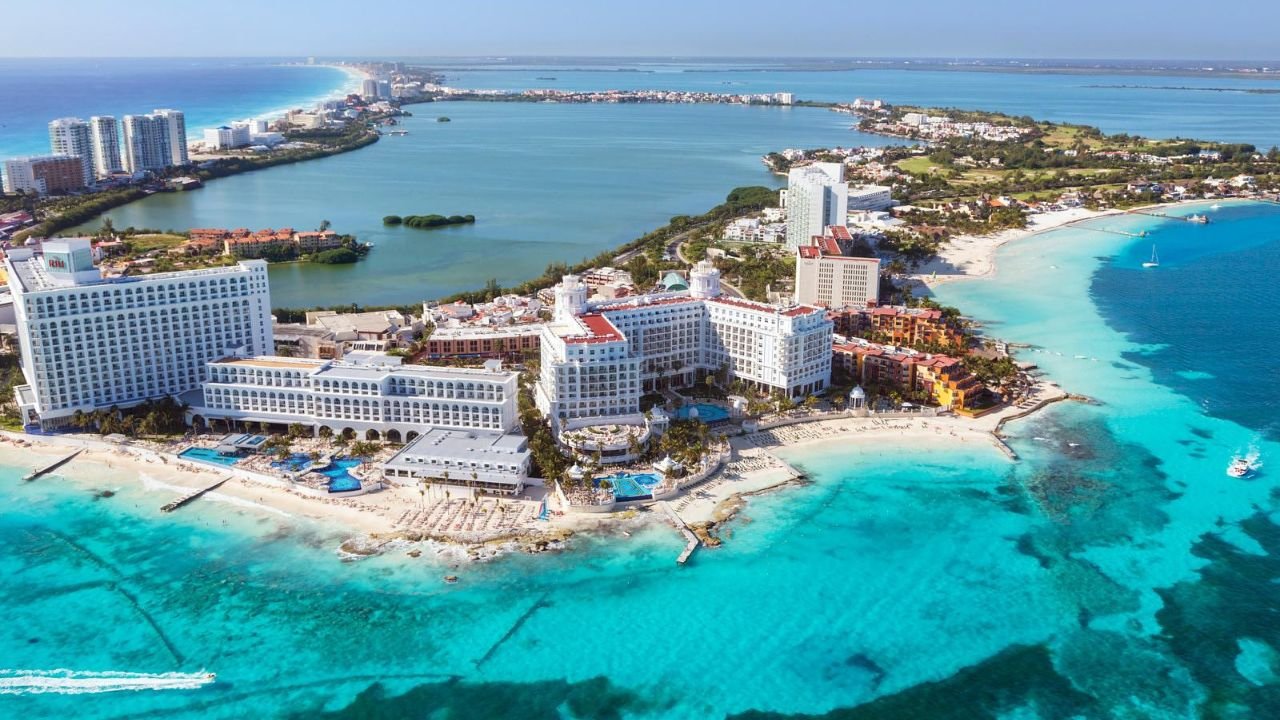
Cancun, Quintana Roo — Rapid real estate and tourism development in Cancun’s Hotel Zone is pushing an already outdated sewage and sanitation system to its limits, threatening the ecologically sensitive Nichupté Lagoon, surrounding wetlands, and the coral reefs of the Mexican Caribbean, experts and environmental groups warn.
The core concern is not just the age of the hydraulic networks — operating for over five decades — but the ongoing discharge of untreated wastewater that directly impacts one of the region’s most fragile and vital ecosystems.
Antonella Vázquez Cavedon, founder of the association Defending the Right to a Healthy Environment (DMAS), said previous studies have warned of the system’s insufficient capacity, yet new developments continue to be approved.
“For years, the Hotel Zone has been unable to handle any more load. Fonatur itself warned that the infrastructure was insufficient, and the municipality has long known about illegal discharges,” the activist said, questioning the continued increase in density in fragile urban areas.
Pollution Map of the Lagoon
Citizen warnings are backed by a water quality study conducted by AyMA Engineering and Consulting for the Benito Juárez municipal government. The assessment documented nine points with active wastewater discharge pipes, 15 additional sanitation pipes, 14 stormwater drains flowing into the mangrove, 11 underwater springs, 10 sewage overflows, and six surface springs.
Despite identifying these hot spots, experts consider the measures taken so far insufficient. The problem is exacerbated by the age of the sewer system, designed nearly 50 years ago for a much smaller residential and tourist capacity, leading to frequent collapses and blockages.
Official Stance on Modernization
In contrast, Ricardo Archundia Pérez, operating president of the Quintana Roo Tourism Infrastructure Institute (Infratur), acknowledged the challenge of maintaining services over half a century old but defended the viability of new real estate projects conditioned on parallel investments in public services.
“Cities must modernize. We can welcome new projects as long as there is institutional coordination to strengthen services,” he said, highlighting that the state government is promoting comprehensive planning focused on transparency and urban improvement.
Direct Impact on Reefs
Scientific research has demonstrated a direct hydrological connection between the wetlands of the Nichupté Lagoon, the aquifer, and coastal currents. This means sanitation deficiencies are not limited to the lagoon but threaten to extend their negative impact to the Nizuc Reef and the marine biodiversity that underpins Cancun’s tourism economy.
More Environment
- Puerto Morelos launches weekly sargassum watch until 2026
- Quintana Roo Seeks Geographic Indication to Protect Melipona Honey
- Dengue Cases in Quintana Roo Jump 152 Percent
- Quintana Roo Hoteliers Push Regenerative Tourism Amid Beach Access Disputes
- Greenpeace Finds Contamination at 17 Yucatán Wells and Cenotes as Maya Communities Demand Action
More Cancun
- Hells Angels Leader Arrested in Cancun Over Cartel Drug Trade
- Tourist Boat Traffic Slumps Across Quintana Roo Ports in September
- Cancún Waives 100% of Fines and Surcharges to Help Businesses Get Licensed
- Puerto Morelos Mayor Says Cancún Mansion Raided by Federal Agents Was ‘Lent’ to Her
- Mothers Keep Up Protest at Cancún Middle School Over Alleged Attack on Student