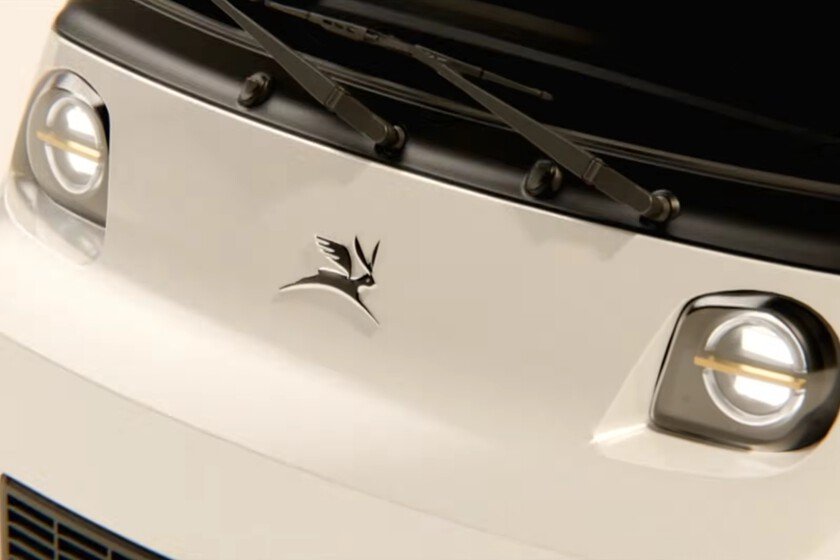
Mexico City — Mexico’s domestically produced electric car, Olinia, is generating interest from several Latin American countries, positioning itself as a potential successor to the iconic Volkswagen Beetle, or “Vocho.” President Claudia Sheinbaum will unveil the first official prototype on June 7.
Olinia is not only destined for the Mexican market but also for export to Peru, Colombia, Chile, Argentina, Nicaragua, and Guatemala. The project aims to demonstrate Mexico’s technical capacity to develop and mass-produce its own vehicles.
The export plan targets regions where the VW Beetle made history in the last century. The German car began mass production at the Puebla plant in 1967, supplying the entire region. In Colombia and Chile, drivers favored its rear engine for climbing steep streets, while in Central America, its simple mechanics withstood tropical climates.
Governments in these Latin American countries are already in direct talks with Mexican authorities, seeking low-cost transportation options. Olinia was designed to address specific regional challenges, such as narrow streets, potholes, and heavy traffic. The car is classified as a light urban vehicle for short trips.
The factory has set an initial production target of 20,000 units per year. Project director Roberto Capuano Tripp said assembly line growth will be gradual, with plans to reach 50,000 vehicles annually within four years. The original plan in May 2025 projected selling 100,000 cars per year.
Funding comes from a mix of public and private resources. The federal government provides initial startup capital, while private investors supply working capital. In theory, private capital will sustain plant operations and supplier payments during the first two years.
The VW Beetle became an iconic part of Mexico’s urban landscape in the 1970s, 1980s, and 1990s as the preferred taxi. Global production ended on July 30, 2003, in Puebla. Olinia aims to revive that philosophy of accessible mobility, adapted to new technologies, aspiring to become the Vocho of the 21st century.
The prototype presentation in June will mark the real beginning of this technological path for Mexican industry. The strategy’s ultimate success will depend on buyer response at home and in participating countries.
More Lifestyle
- Taco Social Run to Bring Recreation, Live Music and Street Tacos to Cancún’s Avenida Yaxchilán
- Playa del Carmen to Renew Eight Blue Flag Beach Certifications, Eyes Two More
- Cancún Sets October Dates for Free Dog and Cat Sterilization Clinics
- Quintana Roo Governor Urges Youth to Help Draft New Rights Law
- Playa del Carmen Reviews Parking Meter Concession Over Alleged Violations