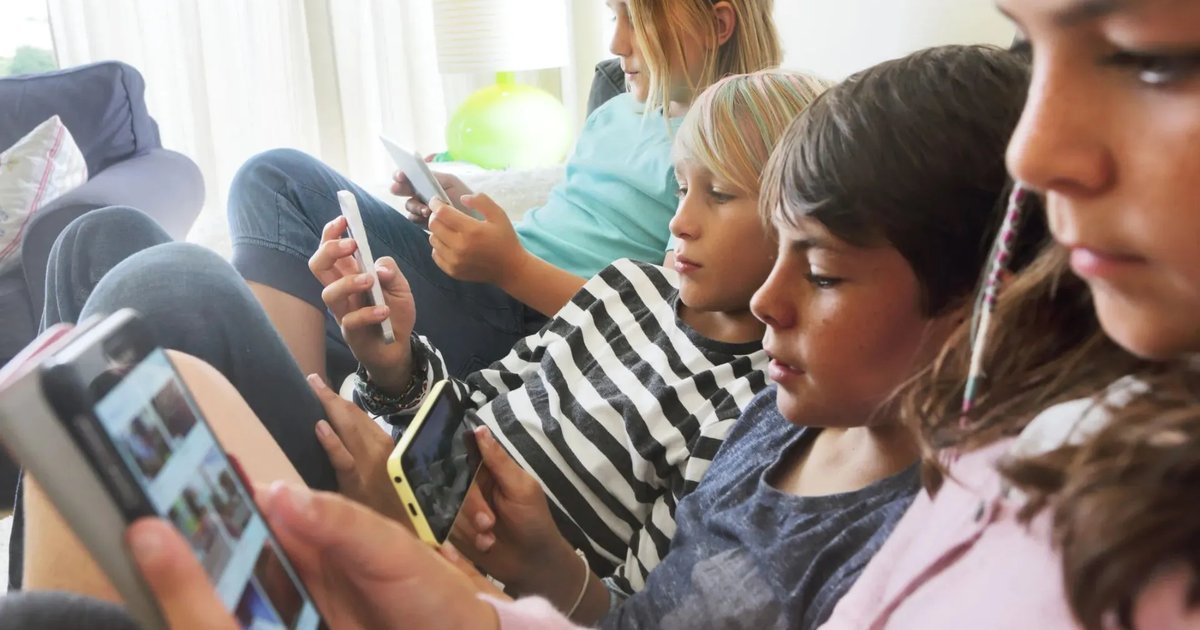
Mexico City — Mexico’s Education Ministry (SEP) announced it will hold a series of public forums across the country to draft a proposed law regulating the use of social media, digital platforms, and artificial intelligence by children and adolescents. The initiative will be submitted to Congress during the next regular session.
Education Secretary Mario Delgado said the goal is to open a national debate involving experts, teachers, parents, students, and educational communities.
President Claudia Sheinbaum backed the initiative, stating that regulation should not come solely from the government but should be built through social consensus to establish rules that address the challenges posed by new technologies.
What the proposal seeks to regulate
According to the SEP, the initiative aims to create a legal framework for minors’ use of digital tools, including social media, digital platforms, AI applications, and electronic devices within school environments.
Authorities clarified that the intention is not to ban access to technology but to promote responsible use that helps protect mental health, improve school coexistence, and reduce risks associated with excessive use of electronic devices.
Delgado explained that one of the main objectives is to create healthier environments both inside and outside schools, where technology enhances learning and social interaction without harming children’s well-being.
Scientific evidence to back regulation
During the announcement, the SEP highlighted that 70% of people over six years old in Mexico use the internet, while among adolescents the figure reaches 90%. It also noted that the United Nations identifies young people aged 15 to 24 as the most connected group worldwide.
Based on these figures, authorities consider it necessary to analyze the impact of intensive digital device use on mental health, sleep quality, academic performance, school coexistence, and physical activity.
President Sheinbaum reiterated that the proposal must be based on scientific evidence and contributions from the public forums, in order to build legislation that responds to society’s current needs.
She stressed that the aim is to reach agreements before presenting the initiative to Congress, avoiding unilateral restrictions and prioritizing the protection of children and adolescents against the challenges posed by digital platforms and artificial intelligence.
More Lifestyle
- Quintana Roo Seeks Geographic Indication to Protect Melipona Honey
- Dengue Cases in Quintana Roo Jump 152 Percent
- Playa del Carmen Prepares Third Janal Pixán Festival With 300 Artists and Two Parades
- Playa del Carmen Parking Meter Operator Playaparq Ignores City Notices Over Broken Machines
- Seventeen Children Battling Cancer Spend a Week of Sea Experiences in Cozumel