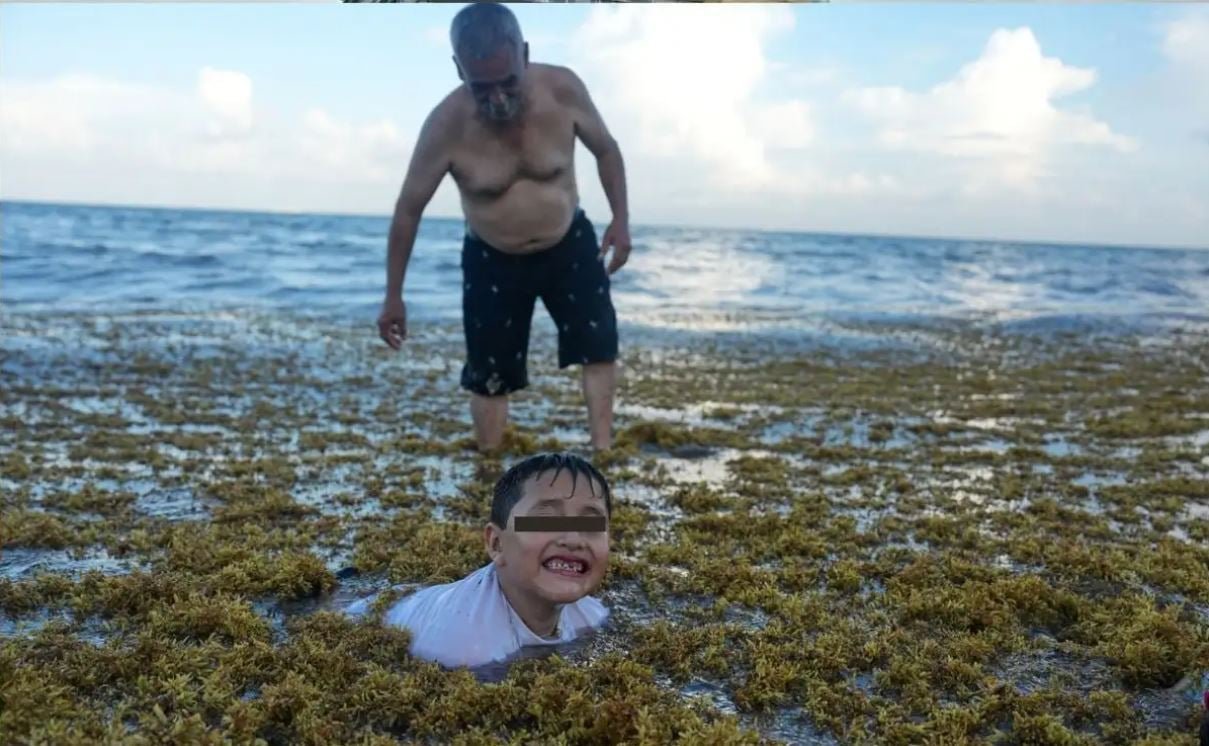
Playa del Carmen, Quintana Roo — A joint effort by Mexican Navy personnel, business owners, restaurateurs, and tourism service providers removed 2,362 tons of sargassum from Quintana Roo beaches between July 18 and 27.
The Navy announced the results of its 2026 Sargassum Strategy for the Mexican Caribbean, reporting an intensive cleanup at the port of Mahahual that involved 120 naval personnel and more than 250 civilians.
“The team effort made it possible to collect more than 250 tons of sargassum with specialized machinery, which add to the 2,112 tons accumulated in total during the period from July 18 to 27 of this year,” the Navy said. “This has resulted in clean and safe beaches that positively transform Mahahual’s image for tourists.”
The Navy said it will continue to coordinate closely with authorities at all levels of government, civil society, and the productive sector to ensure the well-being of the population and the sustainable development of the region.
More Environment
- Cancún Orders Removal of Grounded Boats From Nichupté Lagoon
- Profepa Shuts Down Work Damaging Coastal Dune in Yucatán
- Yacht Grounded on Mahahual Reef Caused No Coral Damage, Conservationists Say
- Playa del Carmen Awaits Federal Approval to Return 20,000 Tons of Sand Recovered from Sargassum
- Playa del Carmen Councilor Questions Semarnat’s Indigenous Consultation Requirements
More Quintana Roo
- Cancún Mayor Ana Paty Peralta Says She Will Finish Her Term and Skip ‘Gino’ Segura’s Campaign
- Tren Maya Finds Reshape Understanding of the Maya ‘Collapse’
- Quintana Roo Enacts ‘Ley Nicole’ Banning Cosmetic Surgery on Minors
- Drought Crisis Forces Quintana Roo Wildlife to Seek Water Near Roads and Towns
- Quintana Roo to Add 10,000 Hotel Rooms by 2028