Playa del Carmen, Quintana Roo — Quintana Roo is home to at least 54 bat species, yet researchers still know little about their habits, their ecological role and how urban development is affecting the places where they shelter, biologist Roberto Rojo warned.
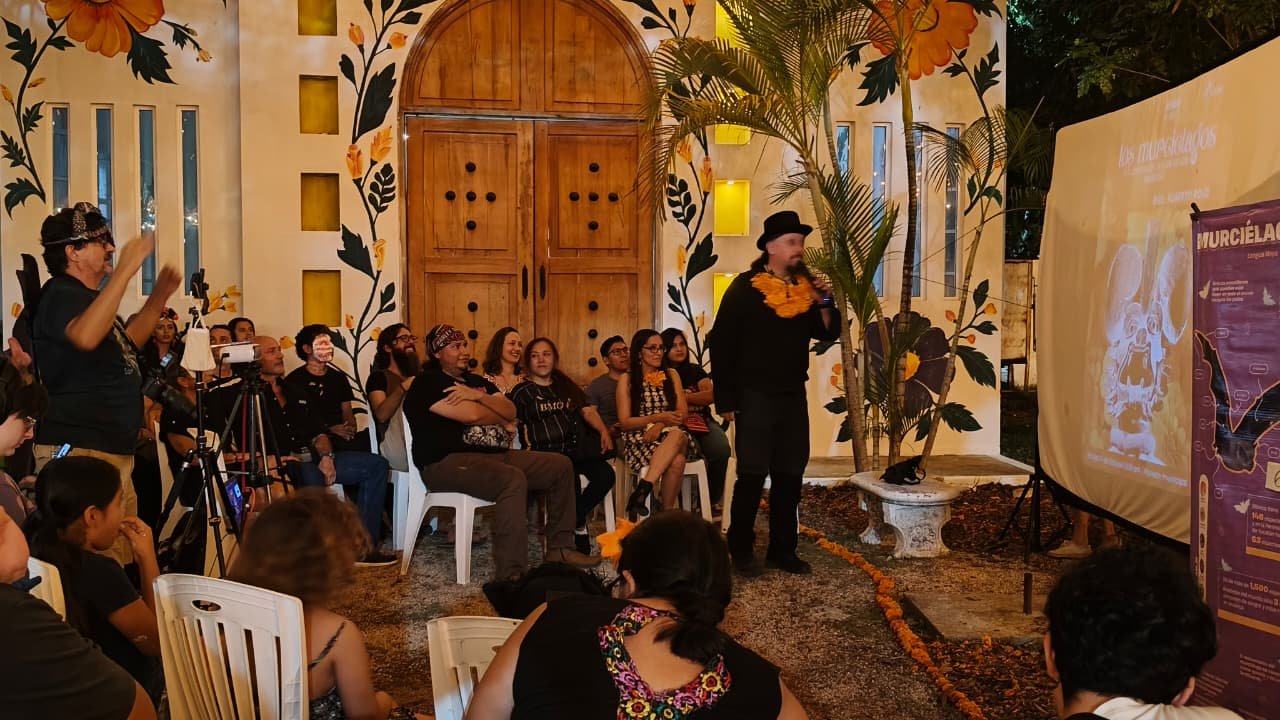
Rojo, founder of the scientific project Cenotes Urbanos, made the remarks during a talk at the municipal cemetery in Playa del Carmen, part of the Day of the Dead observances and the closing events of Bat Week.
During the session, he traced the links between bats and the legends and symbols of pre-Hispanic cultures. He said the animals carry out essential work that keeps the jungle healthy, including pollination, seed dispersal and insect control.
But he cautioned that urban sprawl has led to the destruction and contamination of caves and cenotes — the spaces that serve as refuges for bats and other species.
Rojo said the problem goes beyond wildlife conservation. Damage to the underground system affects the health of ecosystems and the quality of water, and eventually reaches the economic activities that depend on both, he explained.
“We have to understand as a society the importance of their role,” the biologist said, calling for protection of bat roosting sites and for broader scientific knowledge about the species found in the state.
Annual bat week mixes science and storytelling
Known locally as “Murcisemana,” the annual event seeks to spread awareness of the natural wealth beneath Playa del Carmen. As part of the Noches de Inframundo program, members of Cenotes Urbanos offered outreach activities, a storytelling session for children and accounts of how bats appear in indigenous oral tradition.
Among the stories shared was a Zapotec legend about a brightly plumed bird that transformed into a bat after hiding in shame inside a cave.
Rojo invited residents to follow the group’s activities and take part in its public events, with the aim of learning about and protecting the region’s wildlife and underground ecosystems.
More Environment
- Yucatán DJ Parties in Secret Cenotes Trigger Environmental Scrutiny
- Firefighters Rescue Man, 57, Who Fell Into Urban Cenote in Cancún’s Supermanzana 100
- Mexico’s CONANP Deems Royal Caribbean’s Royal Beach Club Cozumel Unviable
- Yucatan Peninsula to Lose 23% of Its Water Reserves by 2035, Researcher Warns
- Quintana Roo Conch Season Opens November 1 and Runs Through April 2027
More Playa del Carmen
- Quintana Roo Restaurants Face 55 Closures, 500 Job Losses
- November Set to Give Playa del Carmen Tourism a Respite After Low-Season Slump
- Quintana Roo Officials Warn of 21 Illegal Real Estate Developments in Playa del Carmen
- Diving Tourism Collapses in Playa del Carmen as Four Dive Shops Close
- Playa del Carmen Taxi Drivers Chase Down and Detain Groping Suspect, Hand Him to Police