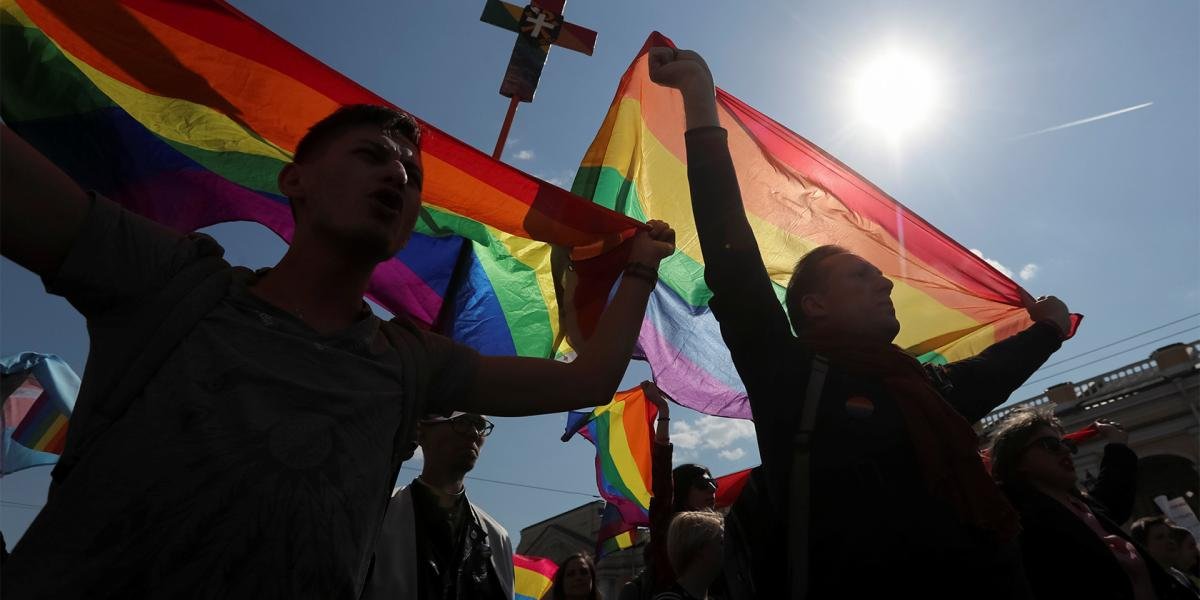
Mexico City — Every May 17, the world observes the International Day Against Homophobia, Transphobia and Biphobia (IDAHOBIT), a day dedicated to raising awareness about the violence and discrimination still faced by LGBTQIA+ people globally.
The date marks a historic milestone: On May 17, 1990, the World Health Organization (WHO) removed homosexuality from its list of mental disorders — a watershed moment in the struggle for sexual and gender diversity rights.
More than three decades later, the day serves as an international call to promote inclusive policies, combat hate speech, and demand equal rights and justice for all, regardless of sexual orientation or gender identity.
This year, according to international organizations and LGBTQIA+ groups, the commemoration emphasizes defending democracy and human rights amid the rise of rhetoric and policies that restrict freedoms or limit rights for LGBTQIA+ populations.
A Day to Denounce Violence and Discrimination
Although many countries have made legal progress on LGBTQIA+ rights, activists and international bodies warn that violence and discrimination persist in areas such as employment, healthcare, education, and access to justice.
Hate crimes and attacks against transgender, lesbian, gay, bisexual, and intersex people continue, along with legislative efforts to limit rights related to gender identity, free expression, and legal recognition.
According to data from ILGA World, dozens of countries still criminalize same-sex relationships, and others restrict free expression related to sexual and gender diversity.
In Mexico, discrimination based on sexual orientation and gender identity is prohibited by law. However, civil society organizations stress the need to strengthen public policies, guarantee access to justice, and eradicate practices such as so-called conversion therapy.
Why Is It Called IDAHOBIT?
The acronym IDAHOBIT stands for International Day Against Homophobia, Biphobia and Transphobia. First officially observed in 2005, it has become a global day of mobilization and awareness in more than 130 countries. Over time, the name evolved to include different forms of discrimination and violence against sexual and gender minorities.
Latin America: Between Progress and Challenges
Latin America has seen significant advances in same-sex marriage, gender identity recognition, and human rights protections. Yet international organizations note that the region still faces high levels of violence and exclusion toward LGBTQIA+ people, especially transgender women and those in vulnerable situations.
Experts and activists highlight that factors such as poverty, migration, racism, or living with HIV can increase the risks of discrimination and violence.
On this May 17, groups, institutions, and international organizations are holding events, campaigns, and marches to promote respect for diversity and to reaffirm that sexual orientation and gender identity should never be grounds for discrimination.
More Lifestyle
- Taco Social Run to Bring Recreation, Live Music and Street Tacos to Cancún’s Avenida Yaxchilán
- Playa del Carmen to Renew Eight Blue Flag Beach Certifications, Eyes Two More
- Cancún Sets October Dates for Free Dog and Cat Sterilization Clinics
- Quintana Roo Governor Urges Youth to Help Draft New Rights Law
- Playa del Carmen Reviews Parking Meter Concession Over Alleged Violations