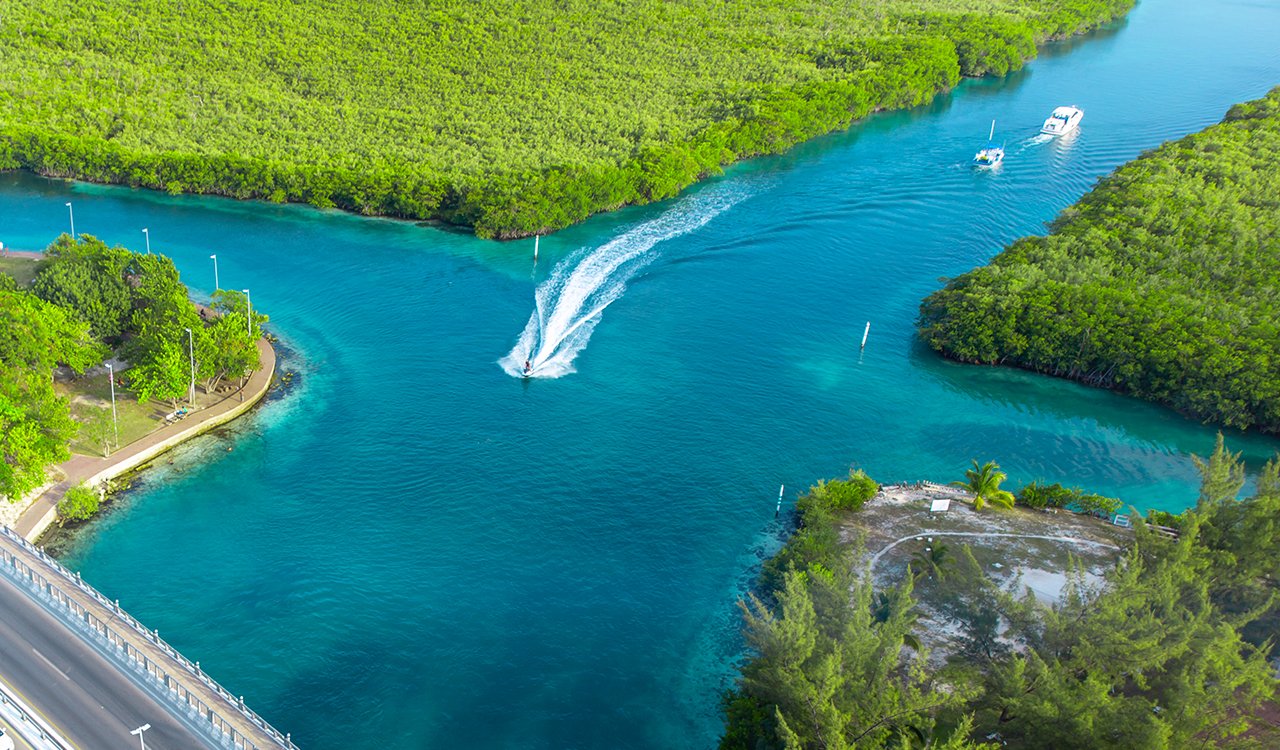
Cancún, Quintana Roo — Authorities will remove about 50 abandoned or sunken boats from Laguna Nichupté as part of a cooperation agreement between Asociados Náuticos de Quintana Roo (ANQ) and the Port Captaincy. The cleanup is scheduled to begin in September and will be carried out in phases.
Francisco Fernández Millán, president of the ANQ, called the agreement an important step forward in addressing a problem that he said has gone unattended for years. He explained that removal efforts will start with the abandoned, visible vessels, while sunken boats will be handled in a later stage because they require more extensive work and specialized equipment. Authorities and the nautical sector are preparing a schedule to define the process in stages.
The initiative aims to improve the image of Laguna Nichupté and support its environmental restoration, after the abandoned structures affected the lagoon’s surroundings. The estimated figure of about 50 boats is not final: once the visible ones are removed, authorities will conduct monitoring to locate those that remain underwater.
More Environment
More Cancun
- Two Missing Children Found Walking Alone in Cancún After 18-Hour Search
- Man, 27, Has Lived in Cancún Airport Terminal for Three Weeks
- Quintana Roo Authorities Search for Mother and 2-Year-Old Son Missing After Trip to Isla Mujeres
- Cancún Shelter Offers Medical Care and Detox for Homeless Residents
- IMSS Workers in Cancún March to Demand Higher Pay, Supplies and Staffing