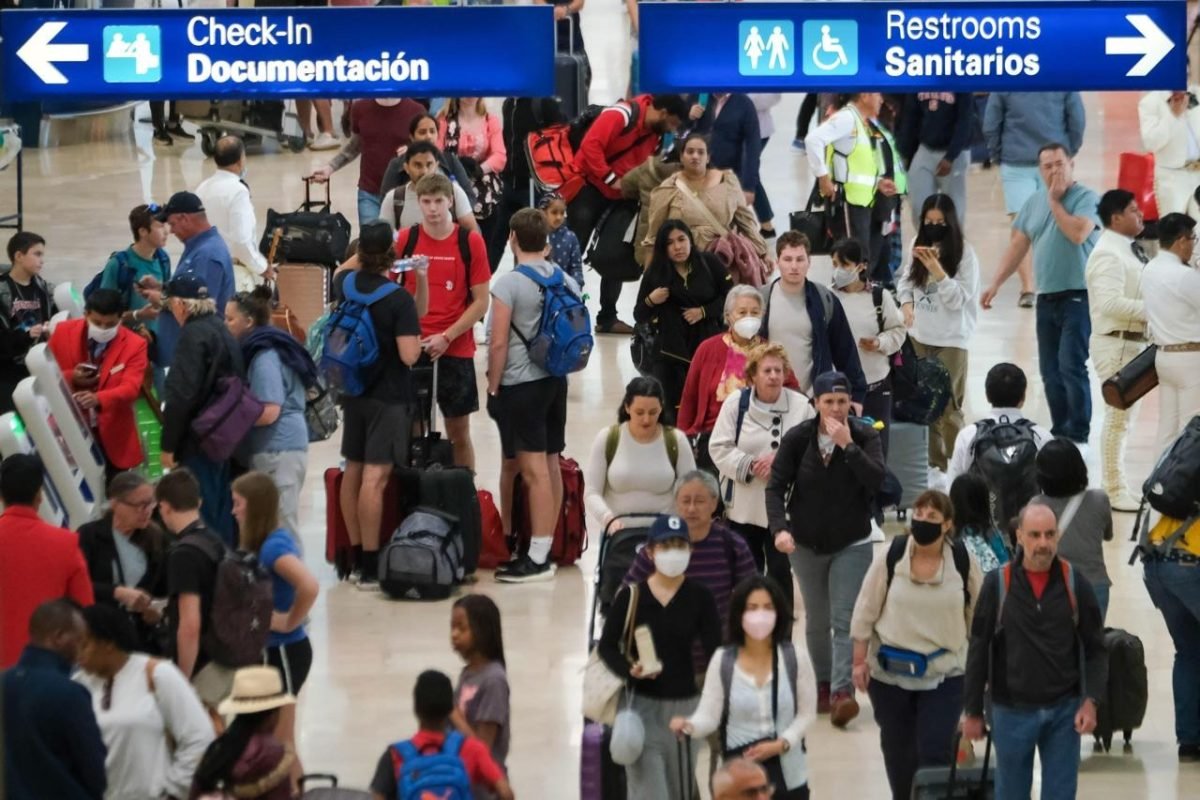
Cancun, Quintana Roo — Hotel occupancy in Cancun, Puerto Morelos and Isla Mujeres has dropped to 65%, well below historical averages for this time of year, as a volatile airline seat supply disrupts tourism flows, industry officials said.
Rodrigo de la Peña, president of the Hotel Association of Cancun, Puerto Morelos and Isla Mujeres, blamed the decline on instability among carriers, particularly Spirit Airlines’ ongoing crisis and adjustments by Magnicharters. The reduced airlift from key markets like the United States has interrupted regular traveler arrivals, underscoring how directly reservations depend on consistent connectivity.
In response, the Quintana Roo Tourism Promotion Council (CPTQ) and the Caribbean Hotel Council are reallocating marketing investments to focus on routes with stronger recovery potential. The strategy aims to attract new tourist flows from emerging markets to offset the loss of low-cost flights to the state’s northern resorts.
Despite the challenges, summer booking pace has improved by 5%, driven mainly by international travelers from Brazil, Argentina and several European countries. The U.S. market, however, is experiencing a seasonal pause as many American fans stay home to follow the FIFA World Cup.
De la Peña expressed confidence that the impact from Spirit’s reduced frequencies will be temporary. He noted that other airlines such as United and JetBlue are expected to absorb those routes and aircraft in the medium term, benefiting the destination through a market realignment. Meanwhile, the industry continues monitoring the situation closely to ensure the Mexican Caribbean regains its competitiveness amid shifting global air service.
More Business
- 40-Hour Workweek in 2027 Will Speed Up Robots and AI in Hotels, IMEF Says
- Mexico’s Supreme Court Blocks Telmex Bid for Automatic Pay TV Access
- Mexico and EU Bring Modernized Global Agreement to Congress as Senate Ratification Looms
- Lawmakers Propose One Tree Every 15 Meters in New Quintana Roo Developments
- Moody’s Warns Mexico Faces Negative Fiscal Trend on Rising Debt and Weak Growth
More Cancun
- IMSS Hospital Deputy Director in Cancún Reports Death Threats After Viral Video
- Judge Binds Over Driver in Fatal Cancún Motorcycle Crash
- Crews Begin Removing 14 Sunken Boats From Cancun’s Nichupte Lagoon
- Authorities Seize Drugs, Detain Three in Two Cancún Raids
- Two 13-Year-Old Girls Found Dead in Separate Cancún Homes