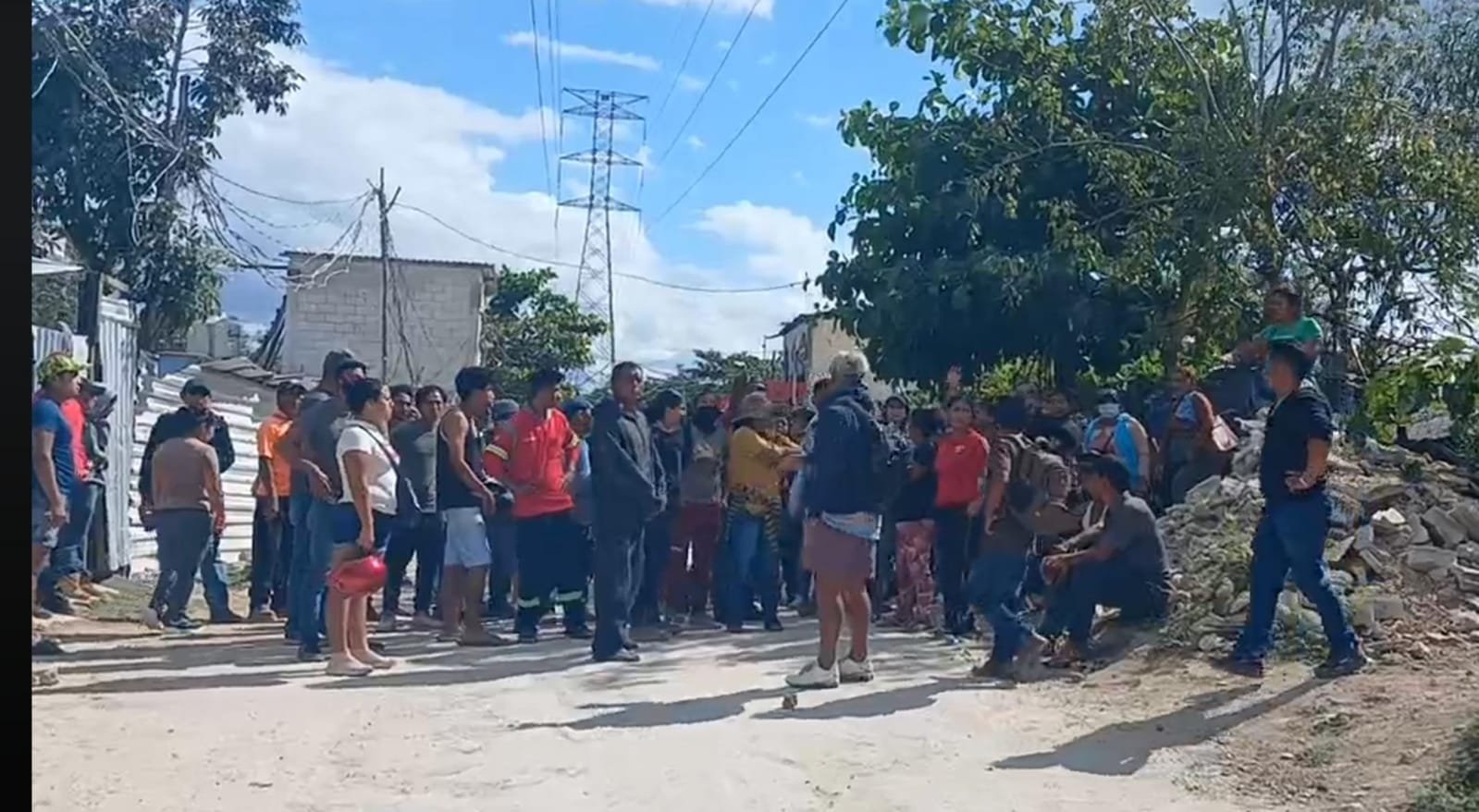
Playa del Carmen, Quintana Roo — The Ejido Playa del Carmen will donate a 29-hectare polygon to the municipality to regularize the San Judas Tadeo invasion zone, including areas for urban equipment.
Cecilio Puc Sansores, leader of the ejido, said work is advancing with the Playa del Carmen city council to finalize the donation, along with the transfer of other already-impacted plots for public use.
“We are certifying all measurements and boundaries, preparing the entire legal path so that they pass from ejido patrimony to municipal patrimony, which requires a public deed,” he explained.
Puc Sansores noted that many of these plots are linked to irregular developments on ejido land that need these equipment areas for regularization.
Regarding the risk of new invasions, the leader said the ejido is calm, as Mayor Estefanía Mercado has stated they will not tolerate such practices. He denied having any land under surveillance.
Cenote Pollution Concerns
When asked about reports of wastewater dumping into cenotes by tanker trucks, Cecilio Puc Sansores said he was unaware of such practices on either ejido or private land.
“We will be vigilant to ensure no ejido or private property is used for that,” he stated.
More Lifestyle
- Two Atlantic Low-Pressure Areas Watched; One Shows 40% Cyclone Chance
- More Than 200 Children Evacuated From Chetumal Daycare After Electrical Fault
- Quintana Roo Reports 282 Dengue Cases, Eight of Them Severe
- Playa del Carmen Set to Host Pro Padel League International Stop
- WHO Warns El Niño Poses Major Global Health Threat
More Playa del Carmen
- Man Gunned Down in Playa del Carmen; No Arrests Made
- Quintana Roo Weighs Permanent Revocation of Permits for Legacy by Awa Playacar After Closure Seals Broken
- Playa del Carmen Beach Restoration Clears Environmental Hurdle, Mayor Says
- Bidding Process to Define Renovation of More Than 10 Parks in Playa del Carmen
- Body Cameras Reduce Complaints Over Police Detentions in Playa del Carmen