Washington — The United States Department of State has accused Cuba of promoting a sustained strategy of espionage, political infiltration, and subversion for more than six decades, with the aim of weakening US influence in the region.
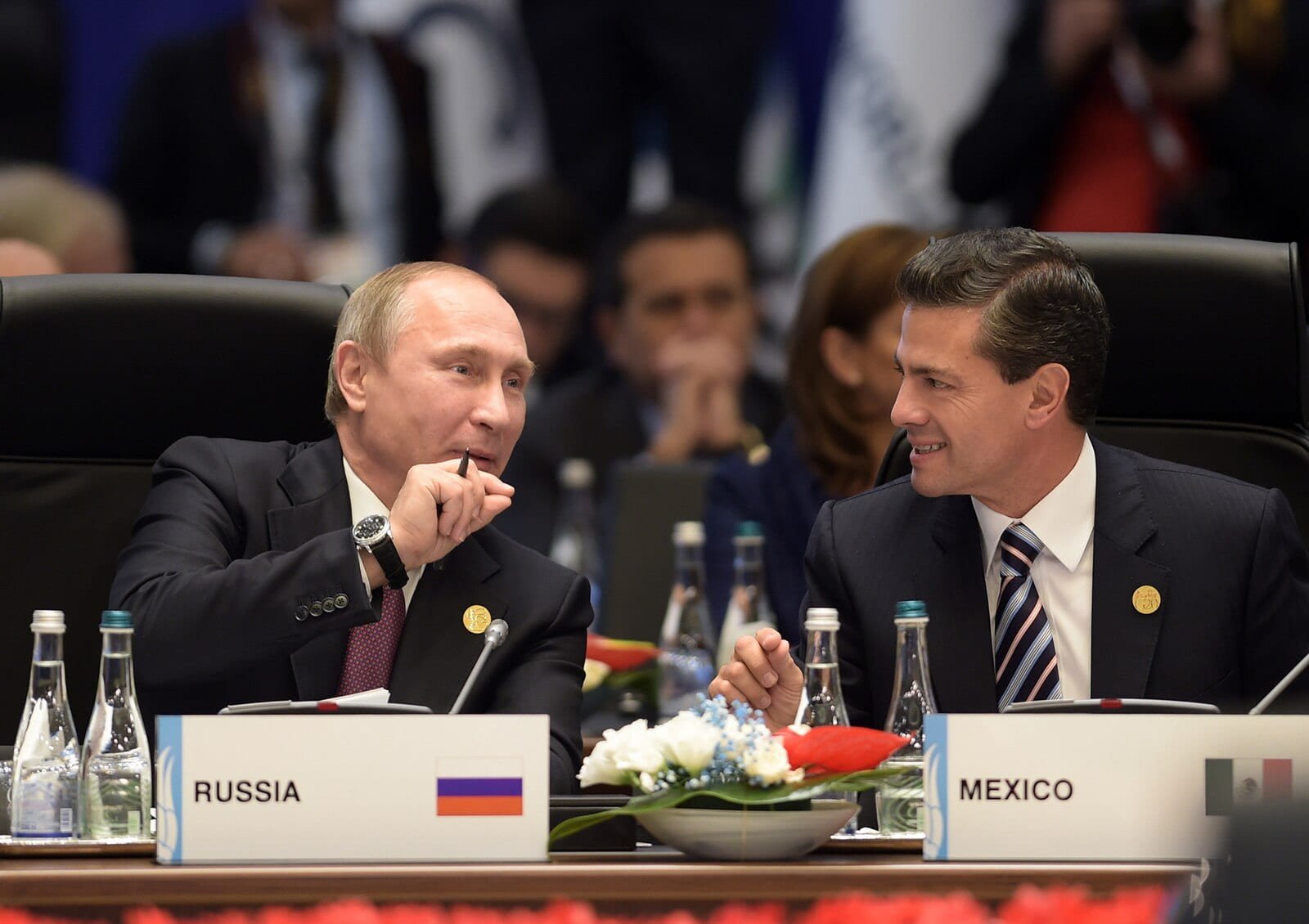
In a report titled “Cuba: The Capital of 21st Century Communism,” released by Secretary of State Marco Rubio, the department alleges that Havana has infiltrated US institutions including the State Department, the National Security Council, and the Pentagon. The report also claims that Cuba has supported radical leftist organizations in the Americas and, through its alliance with Russia dating back to the 1960s, has fostered the presence of Russian spies in countries such as Mexico.
“For more than six decades, the Cuban regime has been the main sponsor of leftist radicalism and third-worldism in the United States,” Rubio said. “The State Department is exposing the full history of Cuban espionage and subversion in our country. The American people deserve to know it.”
The report states that Cuba and Russia maintain a highly active and expanding intelligence collaboration, defined by the comparative advantages of both parties. In exchange for Russian credits, energy, military equipment, and technical capabilities, Cuba offers Russia a strategic location just 150 kilometers from the Florida coast, access to a network of anti-American solidarity groups, and cooperation with Cuba’s Intelligence Directorate (DI).
“As Cuba becomes increasingly dependent on Russian energy and assistance, Russia seeks to leverage this growing relationship to revitalize its former intelligence networks in the Western Hemisphere,” the report says. “In addition to sustaining repressive state surveillance, these technology transfers are likely to support Russia’s malign influence operations, including malicious cyberattacks, disinformation, and anti-American propaganda.”
The report notes that the infrastructure of these networks remains intact. Cuba continues to host the largest Russian signals intelligence (SIGINT) facility abroad, and the renewed partnership benefits from Moscow’s vast intelligence infrastructure developed on the island during the Cold War. Currently, there are 18 such facilities in Cuba, two of which belong to Russia and are staffed by Russian engineers and technical experts.
In recent years, Russian technology companies have expanded rapidly in Cuba, using the island as a platform to penetrate other Latin American countries. The State Department asserted that “thanks in large part to this partnership, these companies now supply advanced surveillance capabilities to several Latin American countries, thereby strengthening Moscow’s military and intelligence relations with anti-American regimes such as those in Nicaragua and Venezuela, and expanding its presence throughout the region.”
The report specifically highlights that “the presence of high-level Russian spies in Mexico — who pose as diplomats to gather intelligence on the United States — has been a source of diplomatic tension between the two countries in recent years.” It adds that this activity has allowed Russia to maintain backdoor access to vital US security data.
“Today, the Cuba-Russia relationship is best defined as a strategic partnership: an alliance that not only represents a direct threat to US territory, but also challenges US power and security interests throughout Latin America,” the report concludes.
On another front, the report claims that Cuba’s strategy seeks to exert ideological influence by promoting a strain of Marxism centered on anti-Americanism, establishing international networks of activists, intellectuals, and political organizations.
More Crime
- Hells Angels Leader Arrested in Cancun Over Cartel Drug Trade
- Judge Orders Five to Stand Trial for Drug Dealing in Playa del Carmen
- Two Drivers Hurt in Playa del Carmen Crash at Wet Zazil-Há Intersection
- Trump Escalates Pressure on Mexico, Demands Action Against Cartel-Allied Officials
- Alleged Owner of Cancún Home Rented by Puerto Morelos Mayor Linked to Ultramar Fraud Case