Cancún, Quintana Roo — September has become the weakest month for hotel occupancy and air connectivity in Quintana Roo since the COVID-19 pandemic, leaving the state’s tourism industry unable to fill even half of its rooms.
Figures released by the State Tourism Secretariat (Sedetur) and the Tourism Information System (Situr-Q) for the week of Sept. 19 to 25 put average hotel occupancy at just 48.5 percent. Tourism officials describe the drop as a crisis that is dragging down the rest of the state’s economy.
Occupancy Falls Below 50% Across the Region
Some of the region’s best-known destinations are performing far below expectations:
- Cozumel: 55.1 percent, the highest in the state, sustained by events held in the region
- Costa Mujeres: 54.6 percent
- Cancún: 53.9 percent
- Riviera Maya: 44.8 percent
- Tulum: 42 percent, the hardest-hit destination of the year
- Isla Mujeres: 40.7 percent
- Holbox and Grand Costa Maya: barely 30 percent each
The figures reflect both a decline in tourist arrivals across the region and a contraction in flight frequencies. During the same week last year, occupancy was at least four percentage points higher.
255 Flights Lost at Cancún and Tulum
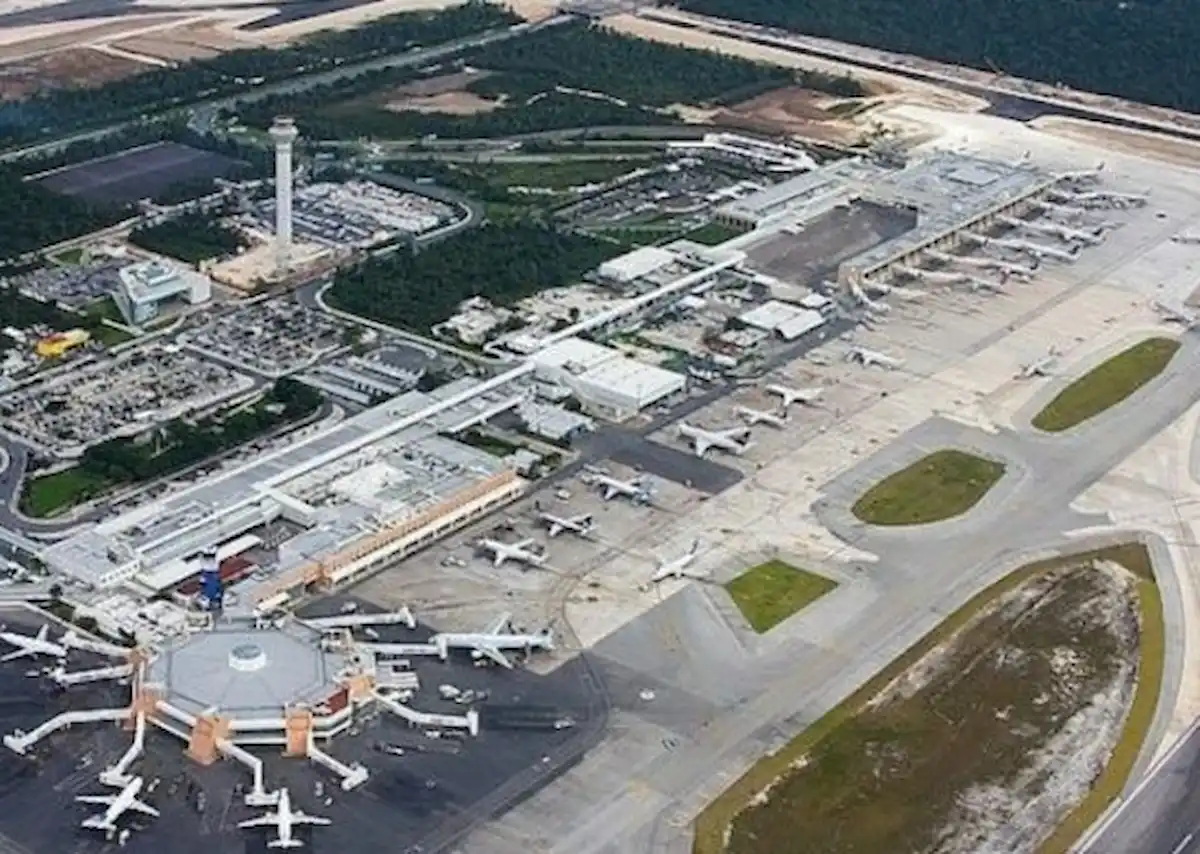
Airlines have cut 255 flights over the same period, mainly at the Cancún and Tulum airports. The outlook for Tulum remains uncertain after Aeroméxico announced it would pull out of the terminal, ending a service that had been feeding visitors into the area.
At least 10 additional routes have been announced for the winter season, but those seasonal flights will not begin operating until November and December, leaving the destination without an injection of international passengers — the main source of tourism for the Mexican Caribbean and the wider Yucatan Peninsula — in the meantime.
Neighboring Yucatán is moving in the opposite direction: connectivity in Mérida has been growing, and more flights are being confirmed for the winter season.
Restaurants Close as Workers Face Shorter Weeks
With occupancy this low, the local labor market has effectively stalled, and businesses are scheduling rotating days off to survive the season. The restaurant industry has been hit hardest, with establishments closing in both Tulum and Cancún, according to reports from CANIRAC, the National Chamber of the Restaurant and Seasoned Food Industry.
Perla Flores Navarro, who heads the chamber’s local chapter, said restaurant closures have been recorded this year, representing not only lost investment but also lost jobs.
Industry representatives say they are in contact with officials at different levels of government to seek strategies that would strengthen businesses, encourage spending and prevent further closures.
More Tourism
- Horseshoe Crabs in Isla Mujeres Face Threat From Bait Fishing in Laguna Chacmuchuch
- Playa del Carmen Beachgoers Denounce Charges of Up to 800 Pesos for Umbrellas and Lounge Chairs
- Yum Balam Management Review Must Include Chiquilá Ejido, Commissioner Says
- Heavy Rain and Extreme Heat Forecast Across Quintana Roo
- Aeroméxico to Suspend Tulum Flights, Calls It a Temporary Pause
More Cancun
- Authorities Deactivate Search Alert for Emma Solís After Cancún Girl Is Located
- Cancún Man Arrested in Connection With 24 Violent Store Robberies
- Hit-and-Run Driver Kills Worker on Cancún’s Colosio Boulevard
- Man Arrested in Miami Turned Over to Quintana Roo in Cancún Fraud Case
- Cancún Tourist Police Coordinator Transferred to Ciudad Juárez on Corruption Allegations