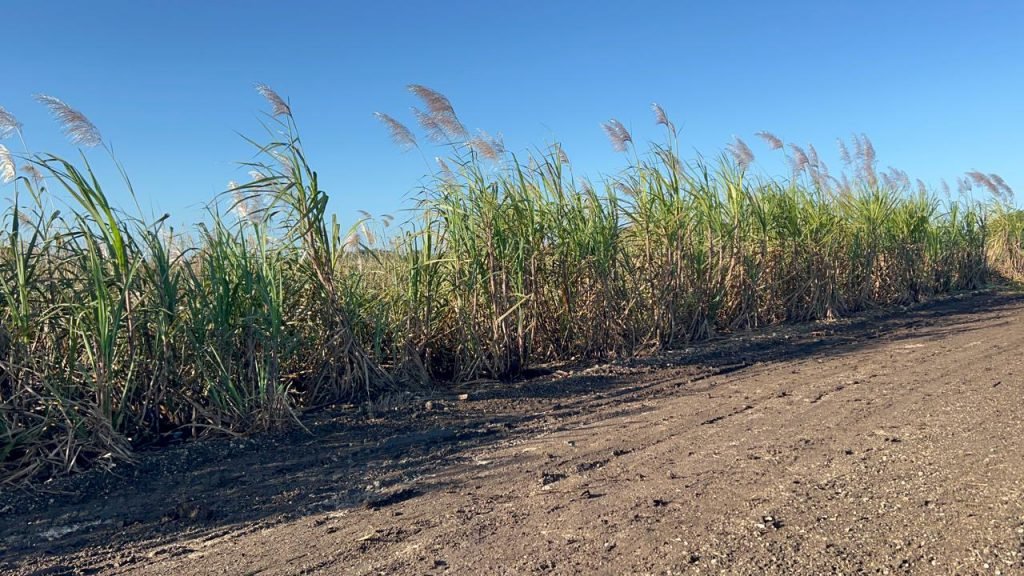
Chetumal, Quintana Roo — Two-thirds of Quintana Roo’s territory is currently under moderate drought, while the rest of the state remains classified as abnormally dry, according to the Mexico Drought Monitor compiled by the National Meteorological Service (SMN) for the National Water Commission (Conagua).
The report, based on data through Sept. 15, found that all 11 of the state’s municipalities show some level of impact linked to a lack of moisture. As of that date, however, no areas had been placed in the severe, extreme or exceptional drought categories.
The D1 category, which represents moderate drought, covers 66 percent of the state’s surface area. Conditions at this level can affect crops and grazing land and reduce water availability at certain points when dry weather persists.
The remaining 34 percent falls under D0, classified as abnormally dry. Although less intense, it still reflects lower humidity than the region typically records.
With that distribution, Quintana Roo holds the largest share of drought-affected territory on the Yucatan Peninsula. By comparison, Campeche reports drought conditions across 15.1 percent of its surface, while Yucatan stands at just 3.1 percent.
While no severe or higher-level drought has been recorded so far, officials continue to monitor rainfall and soil moisture. Upcoming updates to the drought monitor will show whether the D0 and D1 zones shrink, hold steady or move toward more intense levels.
More Environment
- Horseshoe Crabs in Isla Mujeres Face Threat From Bait Fishing in Laguna Chacmuchuch
- Tulum Residents Demand Comprehensive Water Quality Study for La Veleta
- Tulum Circula Advises More Than 120 Businesses on Separating and Tracking Waste
- Yum Balam Management Review Must Include Chiquilá Ejido, Commissioner Says
- Punta Venado Caught Between New Hotels and the Calica Legal Fight
More Quintana Roo
- Quintana Roo Festival to Showcase Maya Culture at Mexico City’s Los Pinos
- Quintana Roo Police Face Surprise Drug Tests as 150 Officers Screened
- Counterfeit ‘G5’ Banknotes Prompt Alert Among Quintana Roo Merchants
- Quintana Roo Recycling Program Trades PET, Aluminum and Cardboard for Food Baskets
- Heavy Rain and Extreme Heat Forecast Across Quintana Roo