Sargasso No Longer Seasonal, Requires Permanent Monitoring: Quintana Roo Official
Quintana Roo's government secretary says sargasso is now a constant problem needing year-round monitoring.

Breaking News from Cancun, the Riviera Maya and the Yucatan Peninsula
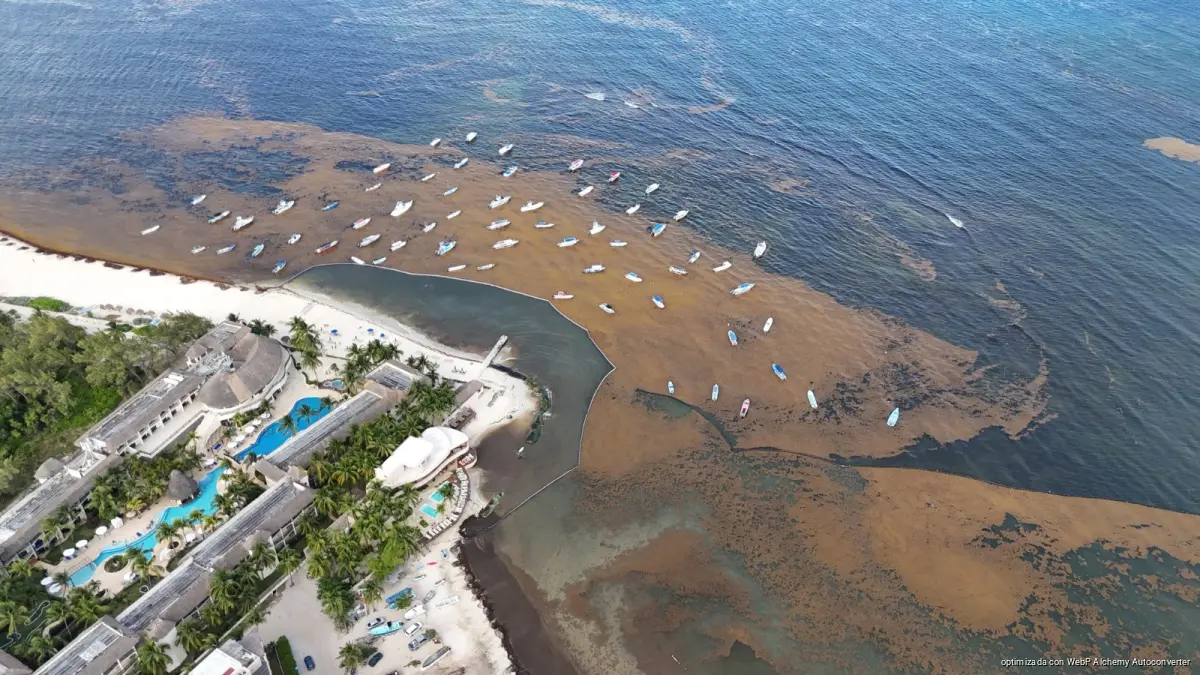
Quintana Roo's government secretary says sargasso is now a constant problem needing year-round monitoring.
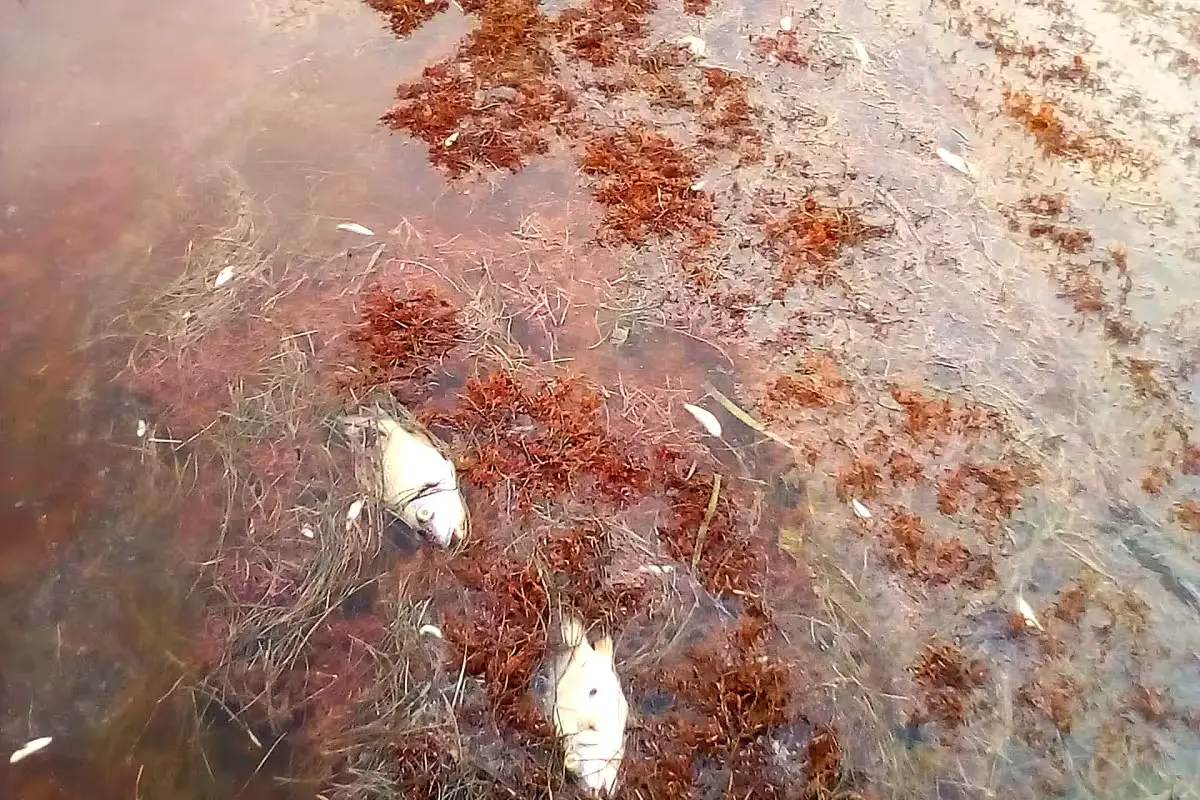
A massive sargasso arrival in Xcalak has killed hundreds of fish and other marine species, alarming residents and threatening tourism.
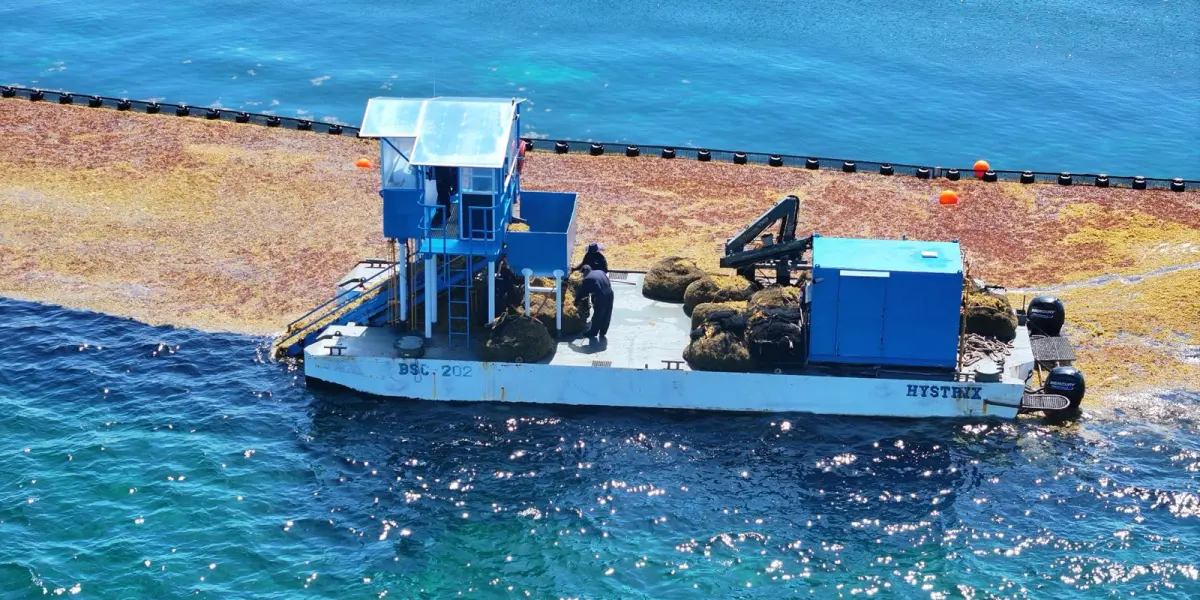
Quintana Roo has collected over 42,000 tons of sargasso in 2026, with plans to expand anti-sargasso barriers.
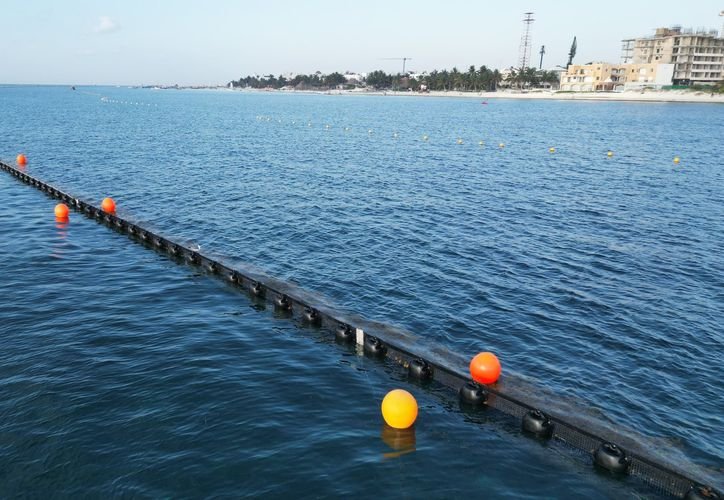
Excessive sargassum has been reported on 55 beaches in Quintana Roo, with 30 in the north and 25 in the…
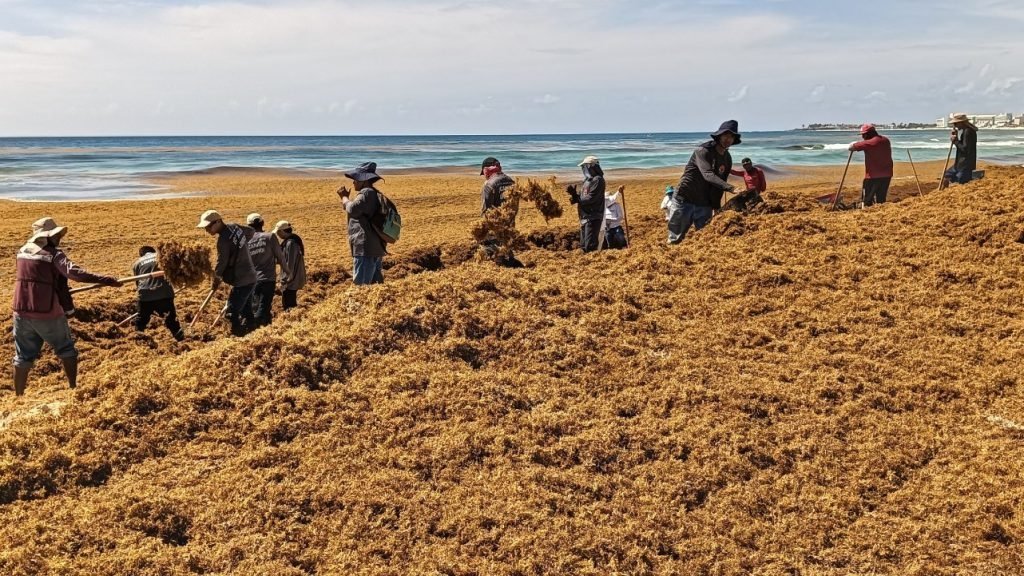
Playa del Carmen, Quintana Roo — The Mexican Navy, in coordination with federal, state and...
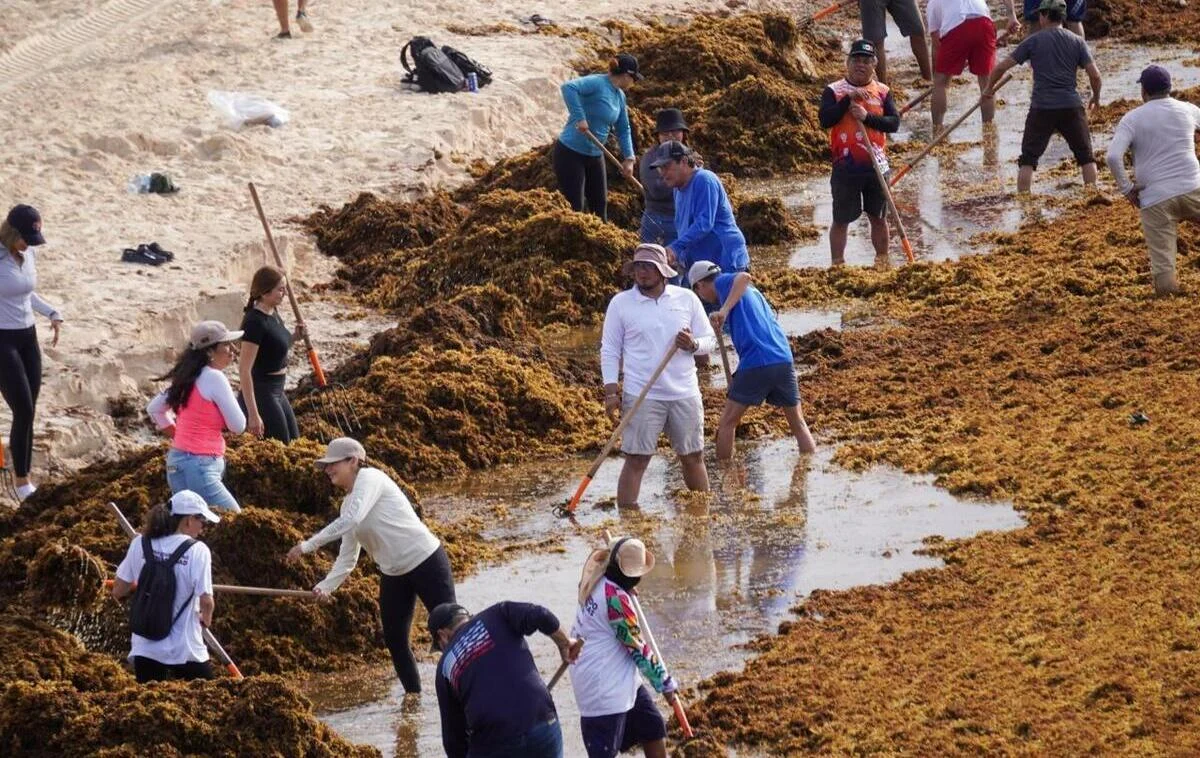
Elena Martínez, 27, transforms invasive sargassum into bio-stimulants for agriculture, earning a spot on Forbes' list.
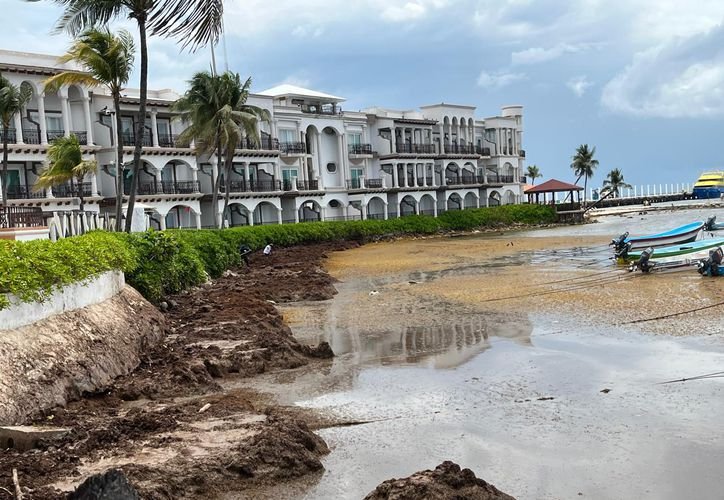
Tourist fishermen report zero earnings for a week due to heavy sargassum influx and port closures.
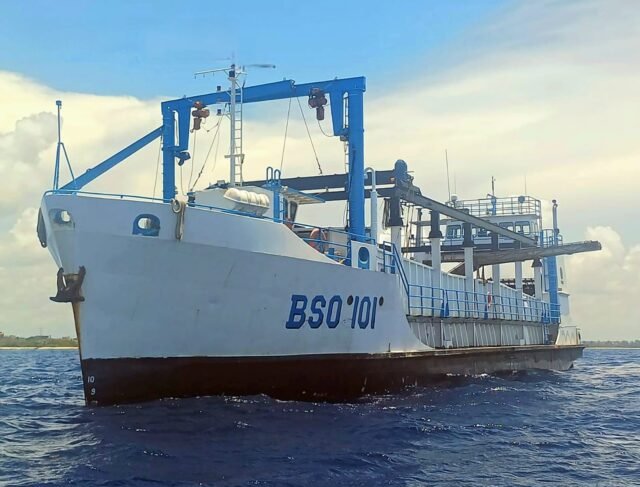
Quintana Roo will deploy its largest sargassum collection vessel yet, as a massive bloom detected by satellite nears its coast.
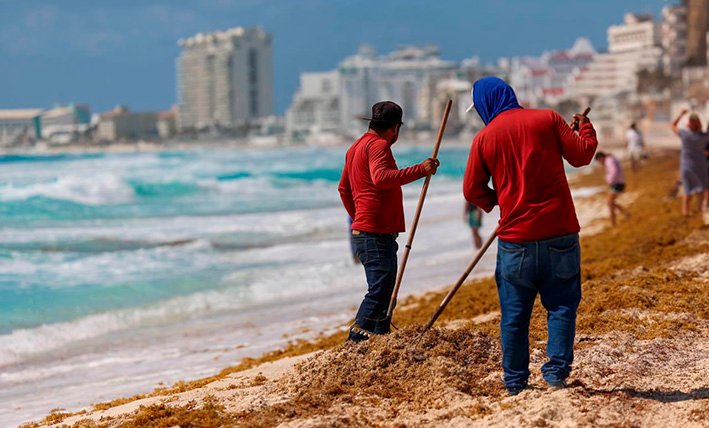
Cancún's beaches stay clear while 30 beaches in Quintana Roo face excessive sargasso levels.
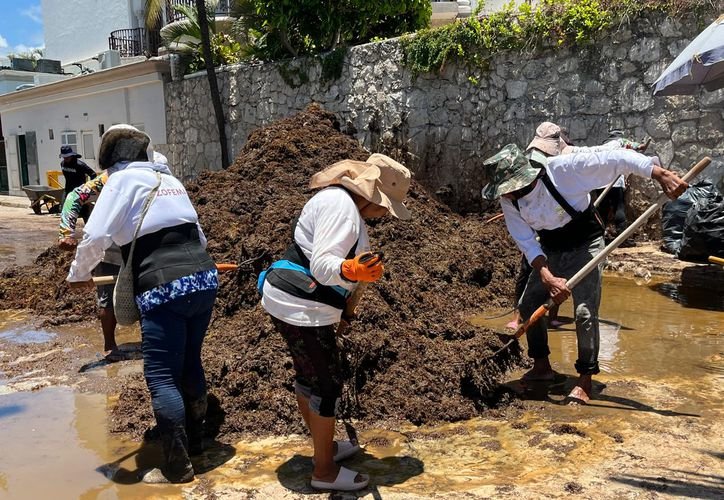
Hoteliers say the Mexican Navy lacks enough vessels to collect sargassum at sea, threatening local tourism.
Sargassum News tracks the latest developments in sargassum seaweed influx across Quintana Roo’s coastline. Our team monitors environmental reports, government announcements, and beach condition updates to bring you timely English-language coverage of sargassum levels on beaches from Cancun to Tulum, containment barrier installations and their effectiveness, environmental impact on marine ecosystems, and the economic effect on tourism.
Whether you are a traveler planning your beach vacation, a hotelier managing guest expectations, a researcher tracking the phenomenon, or a resident concerned with local environmental conditions, Sargassum News keeps you informed about the seaweed situation affecting the Mexican Caribbean so you’ll always be in the know.