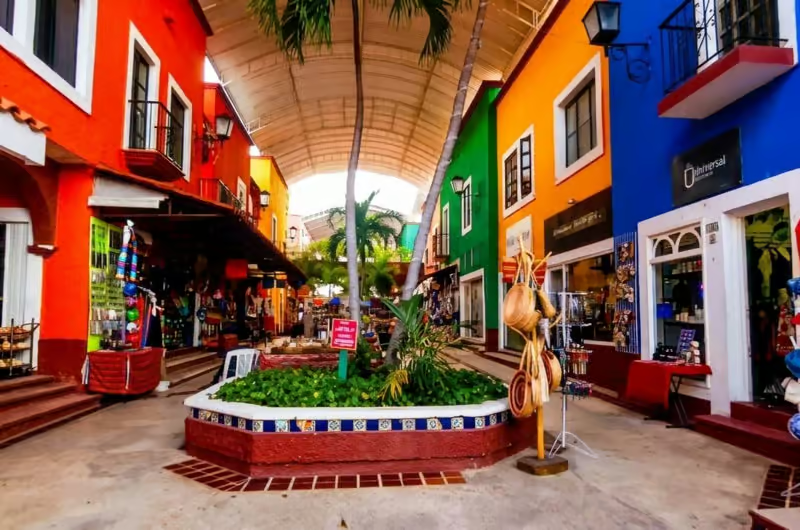
Cancún, Quintana Roo — Mercado 28 is one of the best-known shopping spots in downtown Cancún, a place to pick up handicrafts, clothing and Mexican souvenirs or sit down for a traditional meal away from the Hotel Zone.
The market sits in Supermanzana 28 and brings together dozens of stalls and restaurants. Its aisles are lined with hammocks, guayaberas, wooden goods, jewelry, regional products and Caribbean keepsakes, alongside fondas serving antojitos, seafood and Mexican home cooking.
Entry is free, and visitors do not need to book a tour to walk through. How much you spend depends entirely on what you buy and eat.
Where Is Mercado 28 and How Do You Get There?
The market is in Supermanzana 28 in central Cancún, near the intersection of Xel-Há and Sunyaxchén avenues.
From the Hotel Zone, visitors can take public transport, a taxi or a ride-hailing app, setting Mercado 28 as the destination. Anyone taking a taxi should agree on the fare before getting in.
One practical tip: confirm that the driver is taking you to the handicrafts market in Supermanzana 28 and not to a different shop or plaza with a similar name.
What to Buy and What It Costs
Prices vary by material, size, quality and vendor, and many sellers are willing to negotiate. The ranges below are shopping references gathered in November 2026. They are not official rates, and buyers should confirm prices at each stall.
- Hammocks: available in various sizes and materials, with the cost depending on the weave, workmanship and dimensions.
- Guayaberas: part of the traditional clothing offering alongside embroidered blouses and dresses, with prices varying widely by fabric and finish.
- Vanilla: regional products and bottles of extract are reported at between 150 and 250 pesos.
- Wooden handicrafts: decorative figures, masks and painted pieces priced according to size and labor.
- Cotton T-shirts: 100 to 150 pesos, depending on the design and the stall.
- Embroidered blouses: reported from 250 pesos.
- Small decorative ceramics: some pieces offered from 100 pesos.
Shoppers can also find alebrijes, clay figures, decorative skulls, jewelry, leather goods, belts, wallets, bags, sandals, keychains, magnets, glasses, hats, sweets, coffee, spices, tequila and mezcal.
Those looking for authentic handmade pieces should ask where an item was made and what materials were used. Not everything sold at the market is produced locally.
Where to Eat
Beyond shopping, the market has a restaurant and fonda area serving Mexican dishes, snacks and seafood. Among the establishments listed in the market directory:
- El Cejas (units 90 to 100): ceviches, seafood cocktails and other fish dishes.
- La Chaya: Mexican cooking and home-style options.
- Pescado con Limón: seafood in the Xel-Há section of the market.
- El Veracruz, La Borrega, Mi Ranchito and Bugambilia: other restaurants appearing in the market directory.
A 2026 shopping guide put plates at market restaurants at roughly 120 to 180 pesos, though the figure varies by establishment and dish. Diners should check the menu and ask whether sides or drinks are included before ordering. A Mexican home-style plate and a seafood dish such as a ceviche or shrimp cocktail make for a varied two-course meal.
How to Haggle
Negotiating is part of the experience, particularly on clothing, souvenirs and handicrafts. Vendors respond best to respectful bargaining and to shoppers who compare before committing.
- Ask the price in Mexican pesos to avoid confusion with quotes in dollars.
- Compare several stalls, since similar items are often priced differently.
- Make a reasonable offer, or ask for the vendor’s best price.
- Negotiate when buying more than one item, as some sellers discount multiple purchases.
- Check quality — seams, zippers, finishes, materials and any damage — before paying.
- Carry cash and small bills, since not every stall accepts cards.
- If the price does not suit you, thank the vendor and move on.
Buyers offered silver jewelry should check for a .925 stamp and ask about the material. Anyone buying tequila or mezcal should confirm the bottles are sealed and properly labeled.
Opening Hours
Because Mercado 28 is made up of many independent businesses, hours vary between stalls, restaurants and craft shops. There is no single official schedule covering every establishment.
Visitors should plan to go during the day and confirm hours directly with the shop or restaurant they want to visit. An hour or two is enough to walk the aisles, compare prices and pick up souvenirs; anyone planning to eat should allow more time.
More Lifestyle
- Tulum Murals Turn Streets Into Open-Air Gallery for Horizontes Mexicanos Festival
- Cancún International Music Festival Returns With ‘América Mestiza’ Theme and More Than 15 Events
- Cancún’s ‘México Imparable’ Community Center Tops 80% Completion in Región 249
- Lorraine Pinto, Sculptor of Cancún’s Iconic Ceviche, Dies at 92
- Free Specialist Medical Clinic for Children Coming to Cozumel on Nov. 24-25
More Cancun
- Cancún and Riviera Maya Close 2026 With a Wave of Hotel Openings
- Cancún’s CRIT Teletón Holds Autism Education Sessions to Dispel Myths and Train Community
- Staff Turnover at Migration Agency Stalls Tourist Service Training, Industry Group Says
- Searching Mothers Keep Indefinite Blockade in Cancún Hotel Zone as State Officials Stay Silent
- Quintana Roo Scraps In-Person Visitax Collection at Cancún Airport